Ukraine Embraces Cutting-Edge Slovak Drone Defense Amid Escalating Aerial Threats
In a strategic pivot to bolster its defenses against the increasing prevalence of unmanned aerial vehicles (UAVs) in modern warfare, Ukraine has embarked on an innovative field test of the Wolf 25 AD, a counter-unmanned aerial system (C-UAS) developed by Slovak company DefTech. As airspace becomes increasingly contested, the importance of such technologies is underscored by both military necessity and geopolitical urgency. How effectively will this new system meet the challenges posed by hostile drones that are now ubiquitous on battlefields worldwide?
The deployment of the Wolf 25 AD marks a significant evolution in Ukraine’s air defense strategy. With drone warfare becoming a defining characteristic of contemporary conflicts, including the ongoing conflict with Russia, the urgent need for agile and responsive air defense solutions has never been clearer. The reliance on UAVs by adversaries has compelled nations like Ukraine to explore versatile technologies capable of neutralizing these threats efficiently.
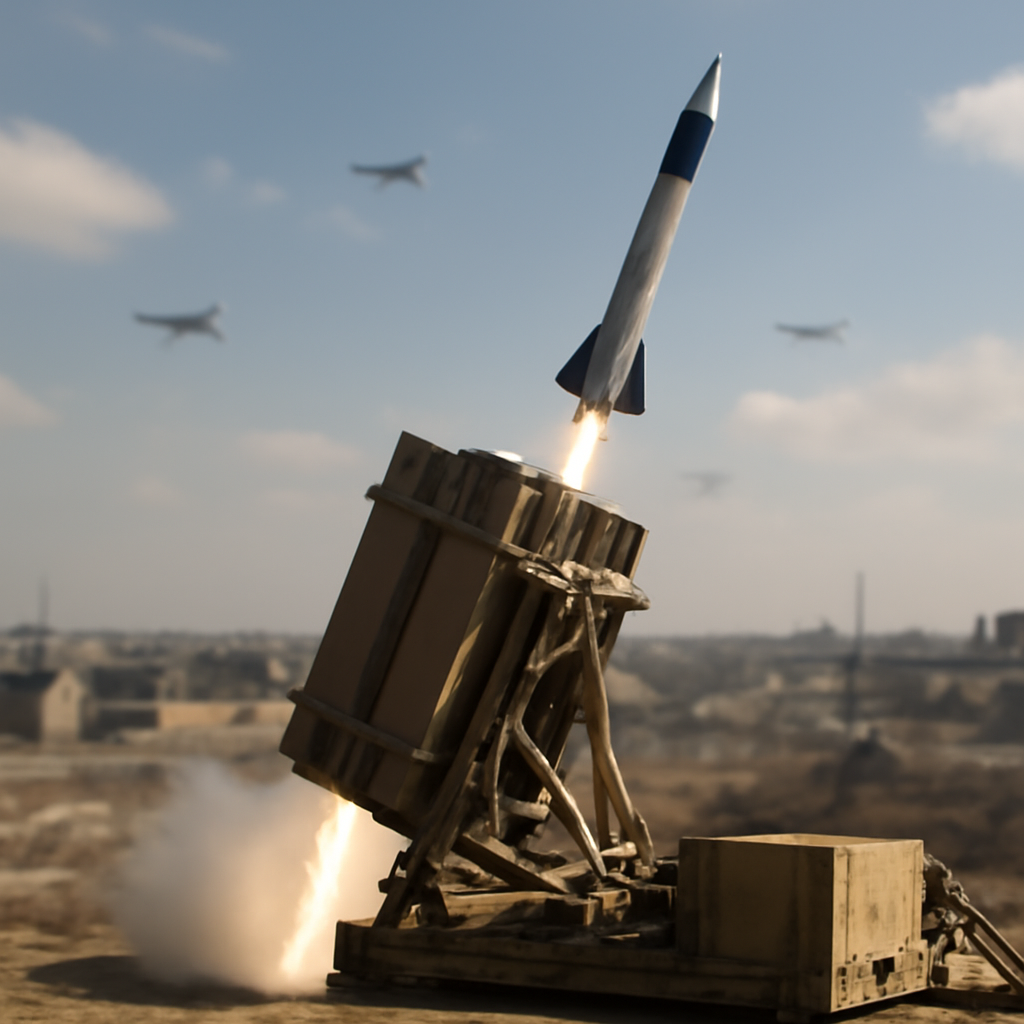
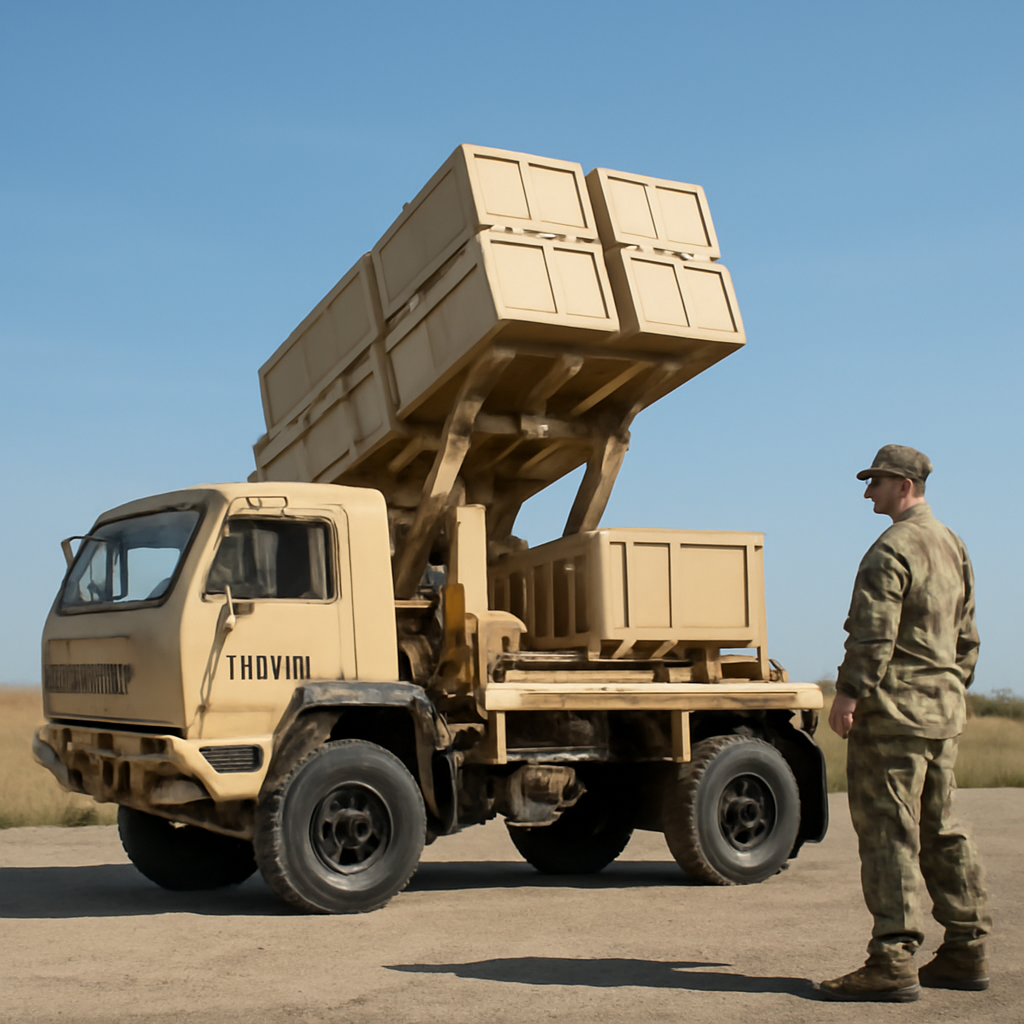
The Wolf 25 AD is designed as a mobile, radar-guided air defense solution, tailored specifically for the dynamic and rapidly changing battlefield environment. Reports indicate that this system offers enhanced mobility and precision, allowing Ukrainian forces to adapt to various combat scenarios effectively. The urgency behind this testing stems not only from operational necessity but also from international expectations for Ukraine to innovate in its defense efforts, particularly given ongoing support from Western allies.
Current events surrounding the Wolf 25 AD highlight broader trends within military technology as nations invest heavily in counter-drone systems. As stated by officials from DefTech, “The Wolf 25 AD provides a robust response to evolving threats in aerial warfare.” This sentiment resonates with military analysts who emphasize that effective drone countermeasures are crucial for maintaining air superiority and safeguarding troops on the ground.
The impact of deploying such advanced systems goes beyond immediate tactical advantages; it influences public trust and international perceptions of Ukraine’s resilience against external threats. As air defenses are tested in real-time combat conditions, they provide valuable data that could inform future advancements not just for Ukraine but also for global military practices.
Expert insight into this issue reveals that while technological innovation is vital, so too is understanding its integration into existing military frameworks. Colonel (ret.) Dmitry Gorenko, an expert in military technology and strategy, notes that “It’s not just about having advanced systems; it’s about how they work together within an overall defense strategy.” This point emphasizes the importance of interoperability among allied forces as they collaborate against common threats.
Looking ahead, one can anticipate several potential outcomes from the deployment of the Wolf 25 AD. If successful, this trial may lead to increased production capabilities not only for DefTech but also inspire other nations to invest in similar systems. A positive evaluation could set a precedent for collaborative defense initiatives among European partners as they strive to enhance collective security measures against emerging threats.
The ongoing testing phase poses critical questions about future air defense strategies: Will Ukraine be able to sustain its momentum with innovative technologies? Can collaborative efforts yield more effective solutions across national borders? As developments unfold in Ukraine’s defense landscape, one thing remains evident: how nations adapt to technological advancements will define their resilience in facing contemporary warfare challenges.