“As I speak now, we are in the process of starting,” Ukraine’s Chargé d’Affaires Denys Sienik told reporters, describing the opening of talks with the Pentagon over a replacement for an expiring Starshield contract.
Negotiations with the Pentagon over a new Starshield contract
Sienik said Kyiv has begun discussions with leaders inside the Pentagon to negotiate terms for a new contract for SpaceX’s Starshield service, which is scheduled to expire in mid-2027. “I hope that the contract will be signed, and terms of reference will be negotiated, we will have funding, and we’ll be able to defend ourselves,” he told the Defense Writers Group at a breakfast briefing. He added that Ukraine is also “looking at possible stopgap measures.”
Unanswered questions about the October Starshield problems
Ukrainian officials directly attributed a sudden change to the Starshield network in October to failures of drones and defenses that led to military and civilian deaths, and Sienik said Kyiv still has not received a full explanation. “We still don’t have [an] answer from [the] Pentagon and SpaceX [about] what has happened” but it is “working now,” he said. He also noted: “Good news is that it has been resolved, and our military can further do their work… Do we want another situation like that? Definitely no.”

Audit-ready is a season. It shouldn't be.
Evidence in spreadsheets, controls drifting between audits, frameworks multiplying on flat headcount. Nubivance runs continuous compliance on Rapid7 Cyber GRC - SOC 2, HIPAA, ISO 27001, PCI, CMMC.
End the scrambleStarshield’s operational role in Ukraine’s drone operations
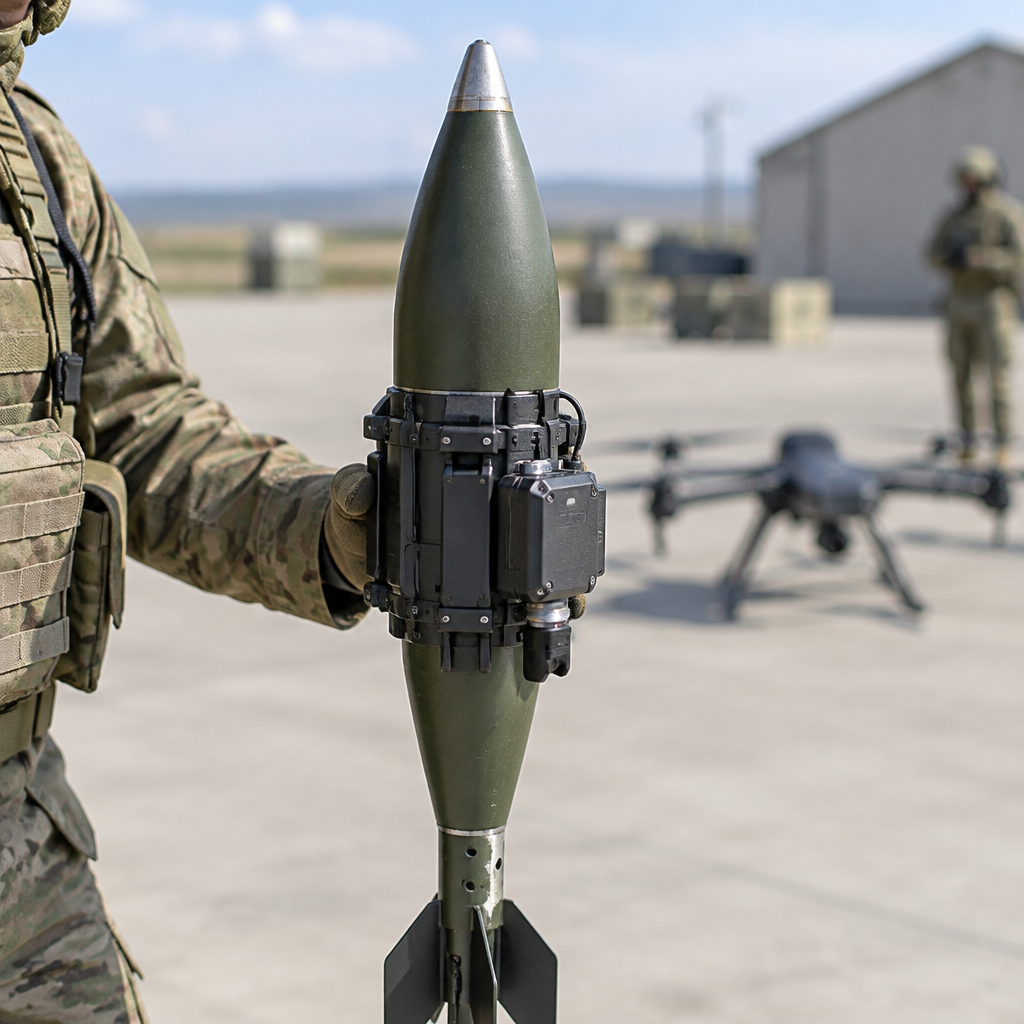
The source describes Starshield as the U.S. military variant of SpaceX’s Starlink network and confirms Ukraine’s heavy operational reliance on that low-Earth orbit satellite system for drone operations “against Russian threats and targets.” Despite the October disruption, Sienik said Ukraine needs a new contract because there is “no effective alternative” to this class of satellite connectivity for the missions it supports.
Domestic and European work on backup capabilities
While pressing for a new Starshield deal, Sienik said Ukraine is “working on our capabilities domestically in Ukraine, [and] Europeans are also working on their system.” He framed those efforts as part of preparing for redundancy: “Everyone understands that it’s always good to have a backup.” He also referenced possible stopgap measures while negotiations proceed.
Congressional oversight, aid flow, and urgent equipment requests
Sienik’s comments came days after U.S. midterm elections that the source says left Democrats “poised to reclaim control of the Senate and House.” The source reports Democrats in that position are expected to begin new oversight hearings into defense topics that may include Starshield and the slow rolling of $400 million in military aid to Ukraine. Sienik said Ukrainian officials will answer lawmakers’ questions but “do not want to interfere with domestic affairs.”
He reiterated Kyiv’s requests for key U.S. air-defense capabilities and fighter aircraft, pressing the case for more Patriot interceptors and additional F-16 jets. On the aircraft, Sienik said: “The issue with the existing F-16s is that they are old, and we overuse them because they are super effective: We don’t have enough of them.”
How the Pentagon, Kyiv, and SpaceX are positioned
- Pentagon: Named by Sienik as the negotiation counterpart and a party from which Ukraine is awaiting answers about October’s Starshield disruption.
- Kyiv (Ukrainian government and military): Seeking a new contract to replace the mid-2027 expiring deal, pursuing domestic and European backups, and requesting additional air-defense systems and aircraft.
- SpaceX: Identified as the provider of Starshield and one of the entities from which Ukraine “still don’t[sic] have [an] answer” about the October network change.
The immediate timetable is clear in the facts given: a Starshield contract that expires in mid-2027, negotiations now under way with Pentagon leaders, and outstanding technical or policy questions about what changed in October that Ukraine says affected its drones and defenses. Kyiv’s push for new terms, paired with parallel work on domestic and European alternatives and the prospect of fresh U.S. congressional oversight, sets multiple formal venues where those unanswered questions can surface again — and where the shape of any successor agreement will be contested and clarified.