Drone Operation Redefines Ukraine’s Strategic Battlefield Calculus
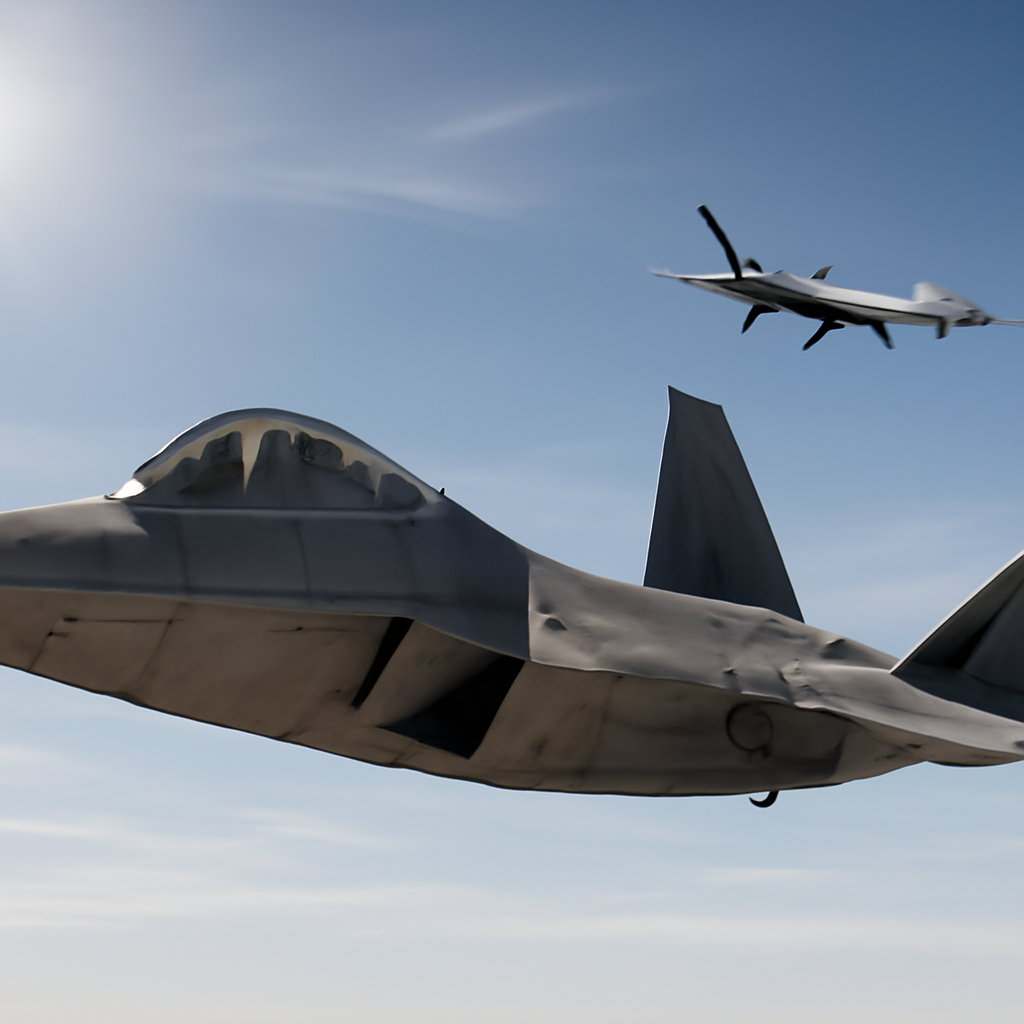
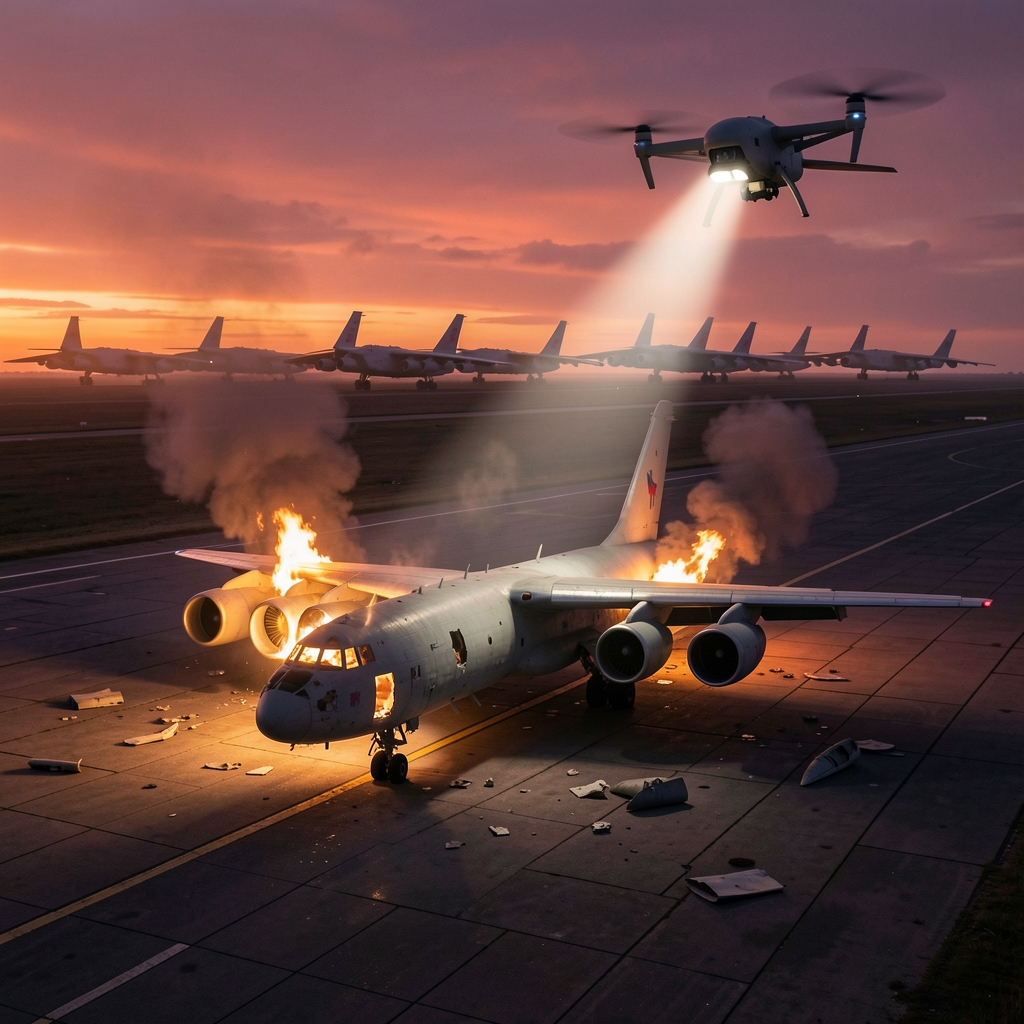
In a development that underscores both ingenuity and escalating risk on the Eastern European theater, Ukraine’s domestic intelligence agency, the Security Service of Ukraine (SBU), has reportedly executed one of its most intricate cross-border drone strikes to date. According to details provided by Ukrainian intelligence and reported by Defence Blog, the covert operation—codenamed “Pavutýna” (Web)—targeted 41 Russian strategic aircraft, a mix that includes the long-range Tu-95 and the versatile Tu-22M3 bombers.
As military strategists and geopolitical analysts review these developments, one central question persists: How does this operation alter the strategic equilibrium in the region, and what new risks might it introduce for all parties involved?
The operation, which involved deploying unmanned aerial systems to breach defensive perimeters and strike vital assets behind enemy lines, reflects an escalating use of technology and intelligence in modern conflict. Ukraine’s precise targeting and apparent success have elevated the strike to a benchmark in contemporary electronic and strategic warfare.
Historically, the continuous evolution of drone warfare and remote-operated strikes have reshaped military doctrines worldwide. In the post-Cold War era, both state and non-state actors have refined their abilities to conduct targeted operations with minimal risk of direct confrontation. This attack by Ukraine is consistent with recent trends that emphasize asymmetrical warfare: leveraging precision over sheer numbers to offset adversary advantages in conventional firepower.
Russia’s long-range bombers have served as a core element of its strategic deterrence force. The Tu-95, often likened to a flying symbol of Cold War might, and the supersonic tanker/reconnaissance variant Tu-22M3, have both been deployed in a variety of roles over decades. That these specific assets were targeted is indicative of a deliberate strategy aimed at impairing Russia’s ability to project power and undermine its strategic nuclear and conventional capabilities.
Sources within Ukraine’s intelligence community, corroborated by open-source defense analysis, confirm that the operation was meticulously planned and executed. The utilization of drones in such a high-stakes environment is not entirely new, yet the scale and success of “Pavutýna” have raised the bar. Analysts suggest that this operation might serve as both a strategic deterrent and a signal to adversaries that Ukraine is prepared to invest heavily in unconventional and covert tactics.
Explaining the rationale behind such a bold maneuver requires understanding the broader context of Ukraine’s ongoing conflict with Russia. Following years of simmering tensions and intermittent skirmishes in contested regions, there has been an observable shift toward leveraging intelligence, cyber capabilities, and unmanned systems. Ukrainian officials have maintained that their defensive initiatives aim not merely to repel aggression but also to disrupt the strategic capacities of a more powerful adversary.
This latest strike illustrates several trends currently underway:
- Technological Adaptation: The operation underscores a significant evolution in unmanned aerial systems used in active warfare. The blending of real-time reconnaissance with precision strike capability allows for a rapidly changing battlefield dynamic.
- Asymmetric Strategies: Ukraine’s approach reflects an increasing reliance on asymmetrical tactics—using agility and innovation to offset the conventional strength of its adversaries.
- Operational Secrecy: The covert nature of the mission, which required crossing international borders without triggering a broader escalation, highlights the balancing act between military necessity and geopolitical restraint.
Beyond the immediate tactical gains, the symbolic impact of striking high-value targets could prove to be more enduring. For a nation under pressure, reducing the operational capacity of an adversary’s strategic bombers is both a defensive and offensive maneuver. It challenges assumptions about invulnerability and the cost of prolonged engagement.
Officials and defense analysts alike have been quick to stress that every military operation carries risks. While the targeted bombers represent significant assets, the possibility of collateral implications—including tactical backlash and potential escalations—remains a constant consideration. The move has sparked debates among experts regarding the long-term implications for regional stability and the norms governing state conduct during armed conflict.
General Mark Milley, Chairman of the Joint Chiefs of Staff, has previously underscored the need for measured responses when adversaries deploy advanced military assets, though his comments were made in contexts addressing broad trends rather than this specific instance. Similarly, strategic analysts at the International Institute for Strategic Studies (IISS) have noted that such operations, while tactically sound, risk triggering unintended escalation if not backed by clear diplomatic signals.
Aside from the immediate ramifications, the strategic implications of this drone strike are significant. Observers note that hybrid warfare—the integration of conventional, cyber, and covert operations—has become the new normal. Ukraine’s ability to disrupt enemy command and control structures without resorting to overt, large-scale conflict exemplifies this synthesis. In particular, the reduction in the enemy’s aerial capabilities may force a recalibration of Russia’s strategic planning and operational risk assessments.
Experts from NATO, who have been closely monitoring the conflict dynamics, have weighed in on the implications for broader strategic stability in Eastern Europe. In a recent analysis, the RAND Corporation emphasized that the shift toward drone warfare and precision strikes narrows the gap between traditional military capabilities and the innovative use of information warfare and unmanned systems. Such transformations, they argue, might prompt rethinking of conventional deterrence models—a process that is already underway among military planners in both NATO and Russia.
Looking forward, the operation may well serve as a catalyst for further innovations in military strategy and technology. Analysts predict that the success of “Pavutýna” could encourage both Ukraine and its allies to invest more heavily in intelligence-led, precision strike capabilities, thereby extending the reach of asymmetric operations. This evolution poses a challenge to established doctrines, especially when strategic bombers, a traditional element of power projection, are now vulnerable to relatively low-cost, high-precision tactics.
One must ask: in an age where technology alters the rules of warfare, what becomes of long-held strategic assurances and military might? The answer may yet unfold on the diplomatic tables of international security forums and in the ongoing contest between innovation and tradition.
The ramifications of the SBU’s latest mission extend well beyond the immediate tactical picture. The strike not only debilitates a portion of Russia’s aerial strategic assets but also serves as a barometer of Ukraine’s evolving military doctrine. It highlights the growing reliance on integrating real-time intelligence with advanced technology to both anticipate and counter larger military forces.
In retrospect, the operation stands as a stark reminder of the ever-changing landscape of modern conflict, where the human cost, technological prowess, and strategic foresight intersect. While the drones themselves are not sentient agents of change, they embody the shifts in policy and doctrine that are redefining national security strategies around the world.
As international observers track these developments, the practical outcomes remain to be seen. However, the message delivered by Ukraine’s covert operation is unequivocal: in a world where asymmetrical tactics might dictate outcomes, even the most stalwart symbols of military might are not immune to disruption.
The strategic landscape continues to evolve. For policymakers, military planners, and citizens alike, staying attuned to these shifts is vital not only for understanding the immediate conflict dynamics but also for grasping the long-term transformations in military strategy and international relations. The intersection between human ingenuity and advanced technology, as demonstrated in this operation, poses profound questions about the future of warfare and the enduring pursuit of national security.
As the region braces for what may come next, the SBU’s daring drone strike remains a striking example of how modern conflict is being reimagined. It serves as both a tactical maneuver and a symbolic milestone — a reminder that in today’s security environment, the convergence of technology, intelligence, and resolve often holds the key to survival and success. Will this development spur similar innovations among those who oppose Ukraine, or lead to recalibrated deterrence strategies by global powers? Time, and further analysis, will tell.