U.S.-Saudi Agreement Secures Future of F-15 Fleet Amid Geopolitical Turbulence
In a move that reaffirms the enduring partnership between the United States and Saudi Arabia, the U.S. Department of Defense recently announced a contract worth up to $49.7 million with Boeing. This agreement, unveiled on June 18, is aimed at sustaining the Royal Saudi Air Force’s (RSAF) F-15 fighter aircraft fleet, ensuring these formidable assets remain combat-ready. But what does this deal signal about U.S.-Saudi relations and the broader geopolitical landscape?
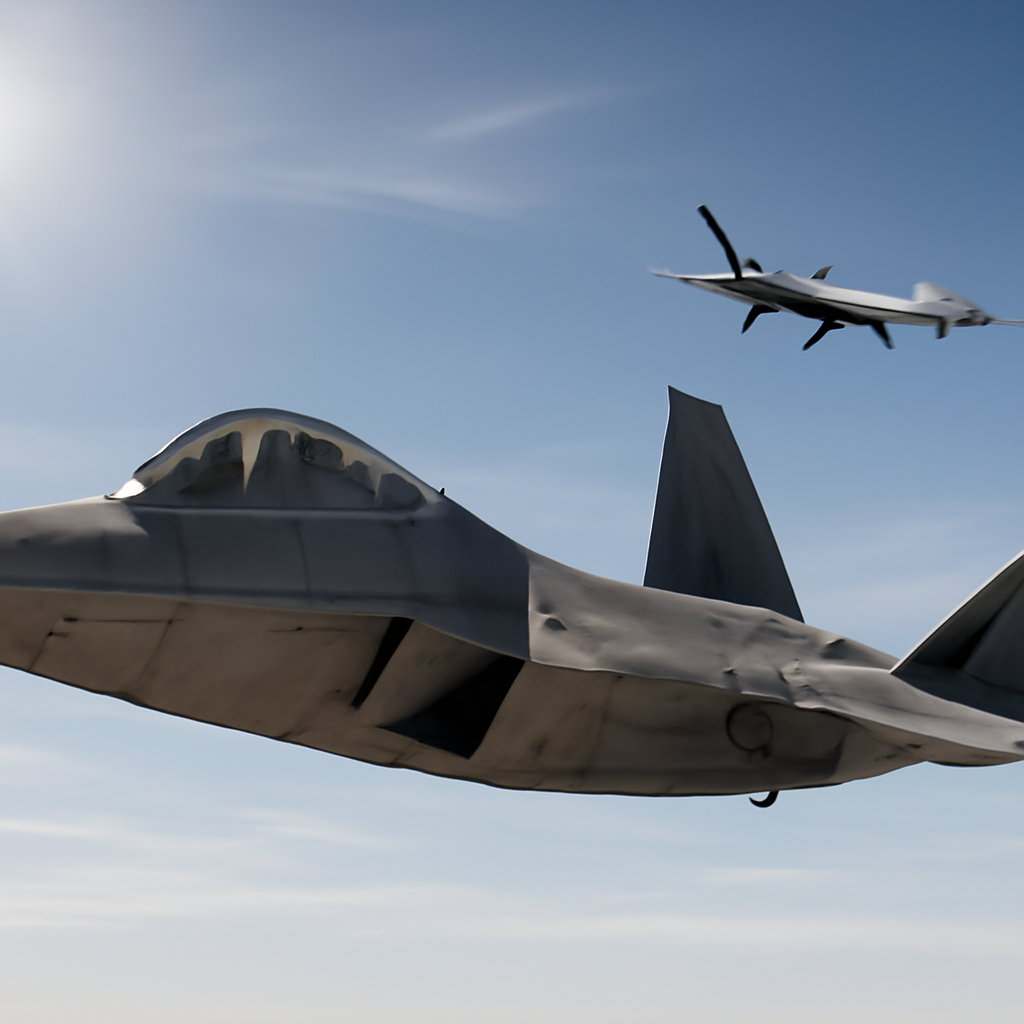
For over four decades, the F-15 has been a cornerstone of Saudi Arabia’s air defense capabilities. The introduction of various models—ranging from the F-15C to the advanced SA variant—has allowed the RSAF to maintain a robust aerial presence in a region characterized by persistent instability and conflict. The latest agreement includes critical logistics and repair services, underscoring Boeing’s pivotal role in enhancing Saudi military readiness.
The backdrop to this agreement is fraught with complexity. Historically, U.S.-Saudi relations have oscillated between cooperation and tension, influenced by oil prices, regional conflicts, and evolving security threats. The 1973 oil embargo marked a turning point that established military ties as both nations sought to secure mutual interests. Over time, arms sales became a key element of their relationship, with significant transactions reinforcing Saudi Arabia’s position as one of America’s largest arms buyers.
Today, this long-standing alliance faces new challenges. The shifting dynamics of global energy markets and burgeoning alliances among Middle Eastern nations necessitate a reevaluation of longstanding security pacts. As adversaries like Iran seek to expand their influence in the region, maintaining operational readiness for allied forces becomes even more crucial.
The recent contract is not just an investment in hardware; it signifies deeper strategic implications for U.S.-Saudi cooperation amid rising tensions with Iran and concerns about regional security. According to official statements from the Pentagon, this initiative is part of ongoing efforts to ensure that Saudi Arabia remains capable of defending its sovereignty while contributing to collective security operations across the Gulf.
The significance of maintaining a combat-ready F-15 fleet cannot be overstated. The RSAF plays a vital role in coalition operations in Yemen and alongside other Gulf Cooperation Council (GCC) members against common threats. Expert analysis indicates that maintaining air superiority is essential not only for deterrence but also for rapid response capabilities in an increasingly volatile environment.
As noted by retired General John Allen, former commander of U.S. forces in Afghanistan and an expert on Middle Eastern security issues: “The F-15 is more than just an aircraft; it’s a symbol of American commitment to Saudi stability.” This sentiment reflects a broader consensus among military analysts who stress that such support reinforces deterrence against hostile actions from state and non-state actors alike.
Looking ahead, several factors will determine the trajectory of U.S.-Saudi military cooperation. First and foremost are domestic considerations within both countries. In Saudi Arabia, leadership under Crown Prince Mohammed bin Salman emphasizes modernization efforts within the armed forces, prioritizing high-tech capabilities amid changing warfare paradigms. For the United States, navigating relations with human rights advocates while balancing military support remains a complex balancing act.
Moreover, as new technologies such as unmanned aerial vehicles (UAVs) gain prominence on the battlefield, analysts suggest that future contracts may extend beyond traditional fighters like the F-15 to include advanced systems capable of responding to emergent threats.
The question remains: as we witness evolving military landscapes globally and regionally, how will alliances shift? Will this contract signify merely a stopgap measure or pave the way for deeper integration between U.S.-Saudi defense sectors? Only time will tell if these decisions bear fruit in shaping stability within a tumultuous theater.
The enduring partnership symbolized by this F-15 sustainment deal underscores not only mutual defense interests but also reflects the complexities woven into international relations today. As history has shown us—alliances are as much about shared values as they are about strategic necessities—reminding us that peace often requires vigilance in our commitments to one another.