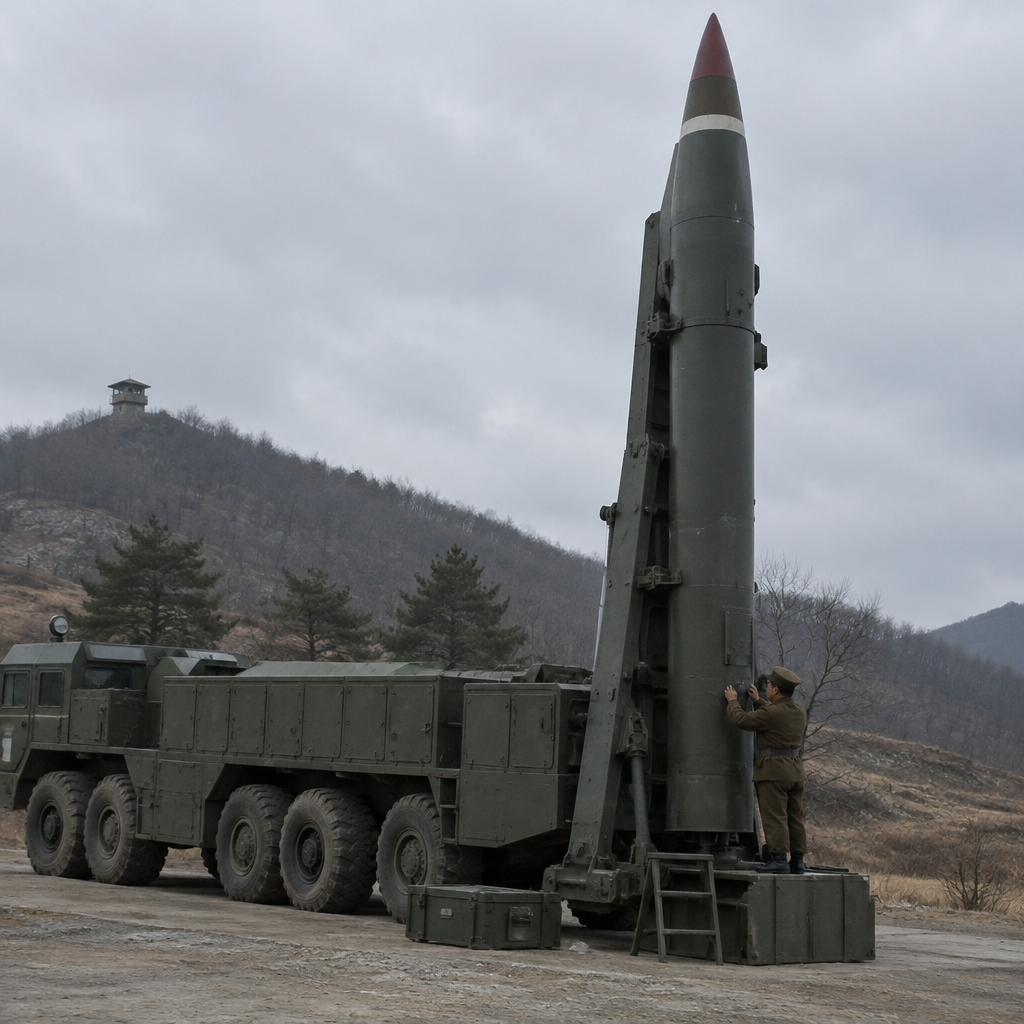
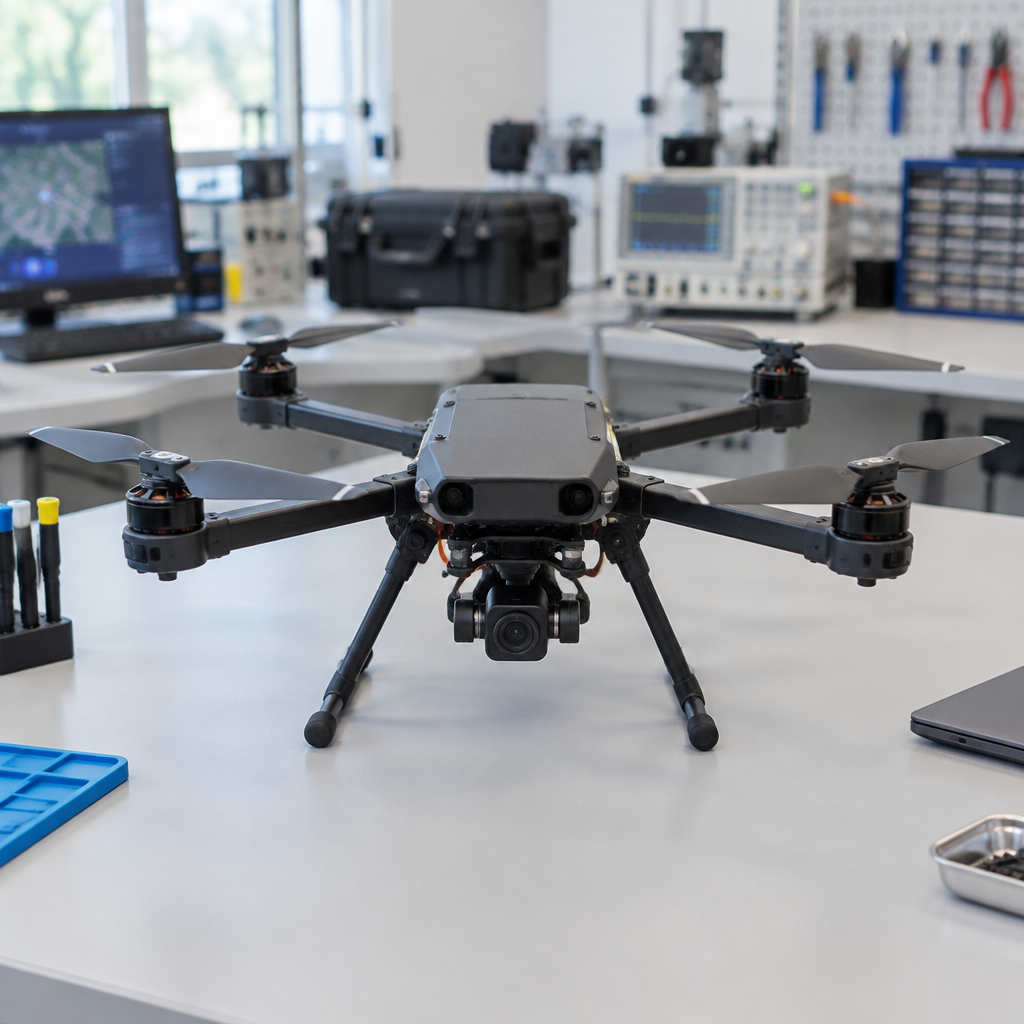
“How do you fight an enemy you can barely see, let alone hear?” This question has become a pressing challenge for modern artillery units in the U.S. Army, confronting the relentless rise of unmanned aerial systems (UAS) on contemporary battlefields. As drones proliferate, capable of rapid reconnaissance and precise targeting, artillery units must evolve to meet this new threat. The 2nd Battalion, 138th Field Artillery, recently demonstrated how traditional firepower can adapt through innovation and relentless training.
From June 6 to 21, 2025, soldiers of the 2nd Battalion honed their skills with the M109 Paladin howitzer, a mainstay of U.S. artillery forces since the 1960s but continually upgraded to maintain battlefield relevance. This annual training session was not merely about maintaining proficiency in rapid fire but also integrating counter-UAS tactics gleaned from recent deployments. These exercises took place against a backdrop of increasing drone usage by both state and non-state actors, forcing U.S. forces to rethink artillery’s role in a fast-evolving airspace.
The integration of lessons learned alongside the 1st Battalion during prior mobilizations was a key aspect of this training. According to Colonel John Harris, commanding officer of the 2nd Battalion, “Our focus was twofold—sharpening our core artillery competencies and adapting those skills to neutralize the evolving drone threats. The enemy’s use of unmanned systems demands faster, more precise responses. We cannot afford to be reactive; we must be anticipatory.”
At its heart, the challenge lies in speed and precision. Drones, with their small radar signatures and nimble flight patterns, complicate traditional artillery targeting paradigms. Rapid fire is no longer just about delivering a high volume of shells in a short period; it is about synchronizing detection, identification, and firing decisions in a compressed timeline. The M109 Paladin’s digital fire control systems are being leveraged to achieve this integration, enabling quicker targeting solutions and more adaptive firing sequences.
Technologists emphasize that counter-drone efforts hinge on a layered defense strategy. “Artillery can deliver indirect fire against drone swarms or individual UAS platforms,” explains Dr. Emily Chen, a defense systems analyst at the RAND Corporation. “But it must be complemented by electronic warfare, kinetic interceptors, and ground-based sensors to provide a comprehensive shield. The Paladin’s ability to rapidly engage targets detected by integrated sensor networks marks a significant advancement.”
From a policymaker’s perspective, this shift underscores the importance of sustained investment in legacy platforms that can adapt to new threats. The modernization of the M109 Paladin fleet, including upgrades to its fire control and targeting systems, aligns with broader Department of Defense priorities to maintain overmatch against adversaries leveraging drone technology. However, budget constraints and competing programs raise questions about the scalability of such training across all artillery units.
Users on the ground see these developments as a necessary evolution. Sergeant First Class Michael Ramirez, a fire direction specialist with the 2nd Battalion, remarked, “We’ve seen drones on the battlefield change the tempo and tactics. Integrating rapid fire with drone countermeasures allows us to protect our forces and maintain the initiative. It’s about staying one step ahead.”
Adversaries, too, are watching. The proliferation of inexpensive commercial drones has democratized airspace denial and reconnaissance capabilities, complicating traditional force calculations. Countries and non-state actors continue to exploit these tools to offset conventional disadvantages, making the artillery’s adaptation not just an operational requirement but a strategic imperative.
In reflecting on these developments, one cannot help but recall the words of former Secretary of Defense Robert Gates: “Our military’s strength lies not just in technology, but in the ability of our people to adapt and innovate.” The training of the 2nd Battalion, 138th Field Artillery epitomizes this spirit, bridging the gap between proven firepower and emerging threats.
As the battlefield continues to evolve with drones playing an ever-greater role, the question remains: can traditional artillery units maintain their relevance by mastering the speed and precision required to defeat these silent invaders, or will they be relegated to obsolescence in an era dominated by unmanned systems? The answer will shape the future of ground combat for decades to come.