Turkish Stealth Drone Anka-3 Crashes During Test Flight: Implications for Defense Innovation
On a fateful test flight in Konya, Turkey’s latest advancement in unmanned aerial vehicle (UAV) technology, the Anka-3 stealth drone, suffered a significant setback when it crashed during what officials described as an “emergency landing.” The incident has raised eyebrows among defense analysts and industry experts alike, who are now questioning the implications of this failure on Turkey’s burgeoning drone program. How will this affect the nation’s ambitions to become a leader in UAV technology?
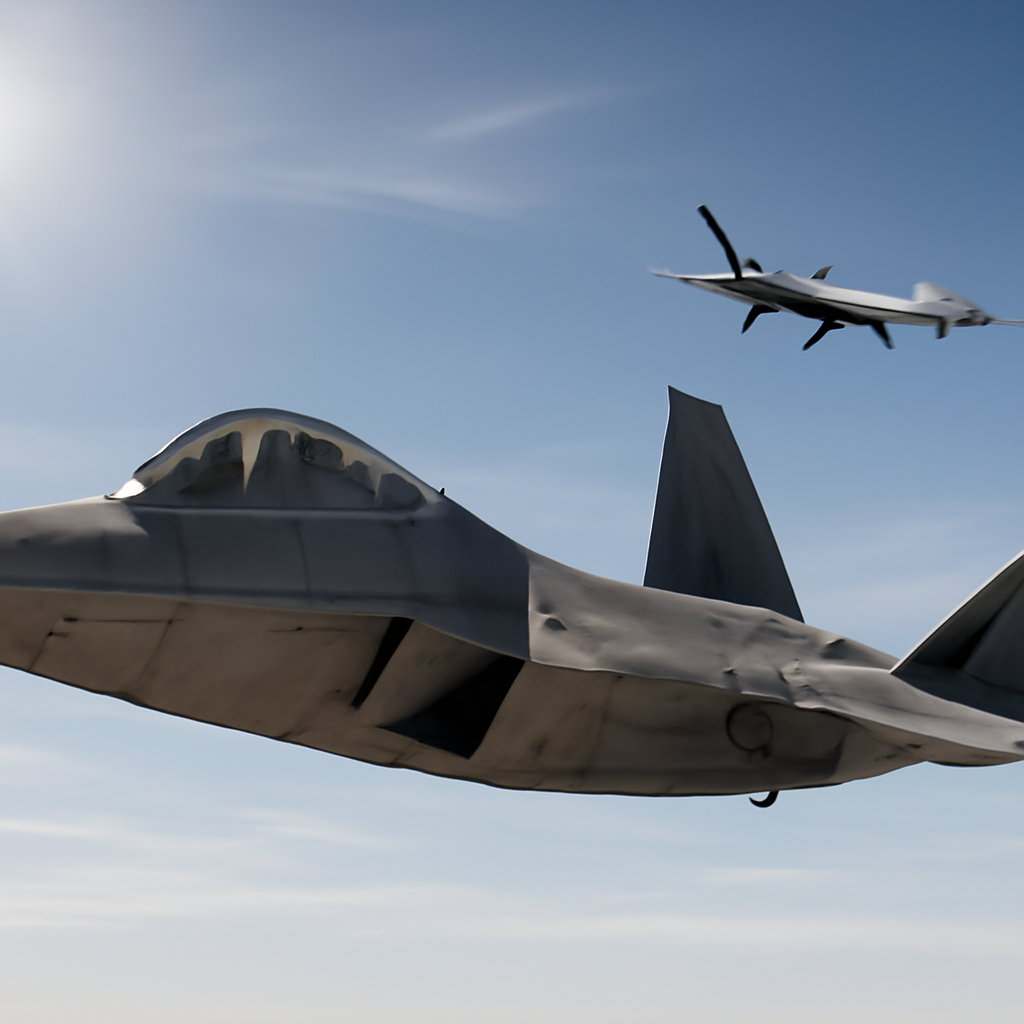
The Anka-3 is part of Turkey’s broader strategy to enhance its military capabilities through indigenous technology. Developed by Turkish Aerospace Industries, the drone has been lauded for its advanced features intended to provide strategic advantages in combat scenarios. However, this recent crash—a visual testament to potential engineering flaws—shines a spotlight on the challenges that lie ahead in achieving operational excellence.
The journey toward developing the Anka-3 has not been without obstacles. In recent years, Turkey has ramped up its investment in defense innovation and domestic production following geopolitical tensions and security concerns. This push has resulted in a robust portfolio of UAVs, notably the Bayraktar TB2, which gained international fame for its effectiveness in conflicts like those in Libya and Nagorno-Karabakh. Despite these successes, the Anka-3’s failure raises questions about quality control and testing protocols within Turkey’s defense sector.
Currently, images circulating on social media depict the Anka-3 with its delta wing structures detached from its main fuselage. Eyewitness accounts suggest that during the flight test, there were indications of technical difficulties leading up to the emergency landing. Official statements from Turkish Aerospace Industries have yet to provide comprehensive details regarding the cause of the malfunction or any potential repercussions for future testing.
The implications of this incident extend beyond engineering setbacks; they touch upon national security and international reputation. As countries worldwide race to develop advanced UAV technologies, setbacks like this can impact not only military readiness but also public trust in defense initiatives. The success or failure of such projects can influence funding allocations and future policy decisions regarding defense investments.
Experts in military technology emphasize that such failures are not uncommon during testing phases; however, they point out that consistent issues can erode stakeholder confidence. Dr. Yasar Haki Arslan, an expert at the Istanbul Technical University’s Department of Aeronautics and Astronautics, remarked that “failure is often part of innovation,” but he cautioned against complacency: “What matters is how we learn from these events and adapt our strategies.” This perspective underscores a critical aspect of technological development—the ability to pivot based on lessons learned.
Looking ahead, it is essential for Turkish authorities and defense contractors to establish transparent communication about troubleshooting efforts and improvements being made post-crash. Stakeholders should monitor whether this incident results in heightened scrutiny of testing protocols or changes in project timelines. In an era where technological advancements are paramount for national security, both domestic credibility and international perception will be crucial as Turkey navigates this setback.
This situation serves as a reminder that while technological ambition fuels innovation within defense sectors worldwide, it is accompanied by inherent risks and challenges. As Turkey moves forward with its drone programs—balancing aspirations with realities—one must ponder: Will such setbacks ultimately lead to stronger systems or stymied progress? Only time will tell as observers await further developments from Konya’s aviation landscape.