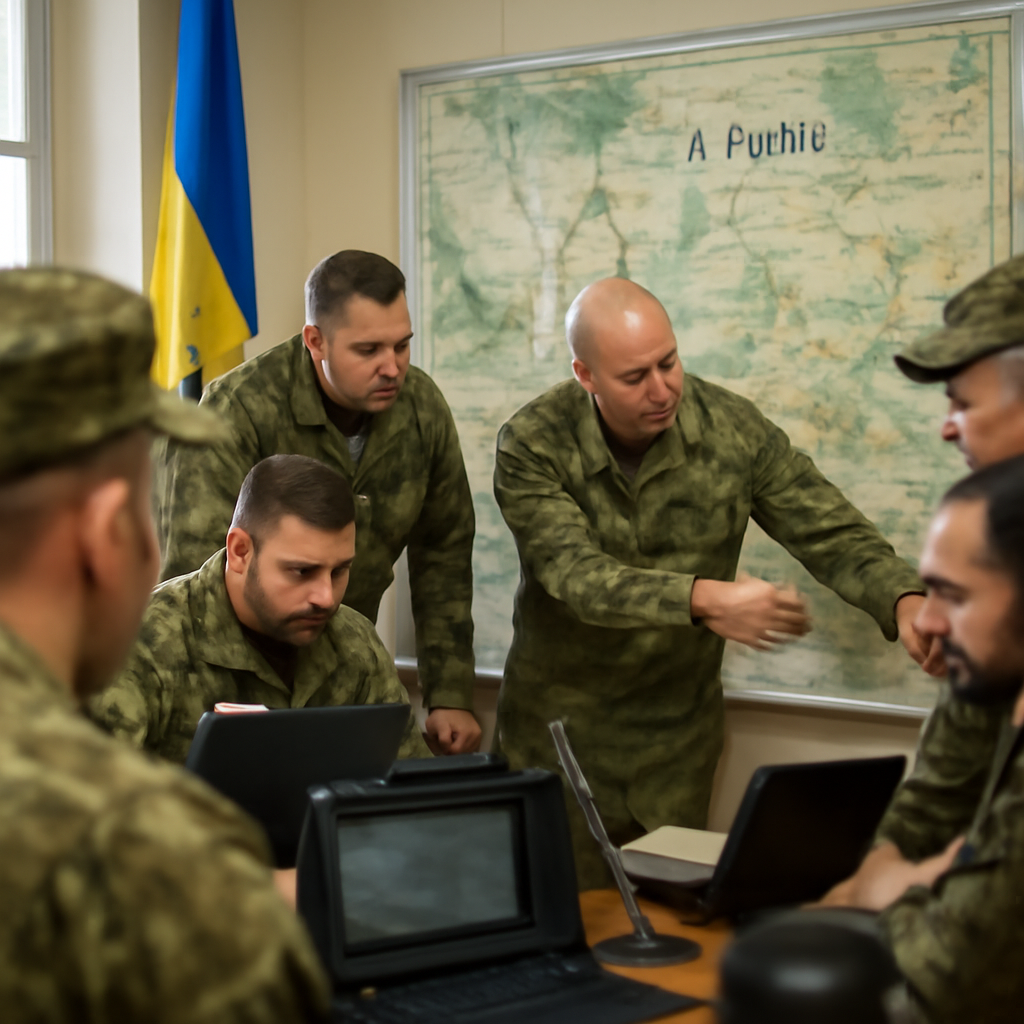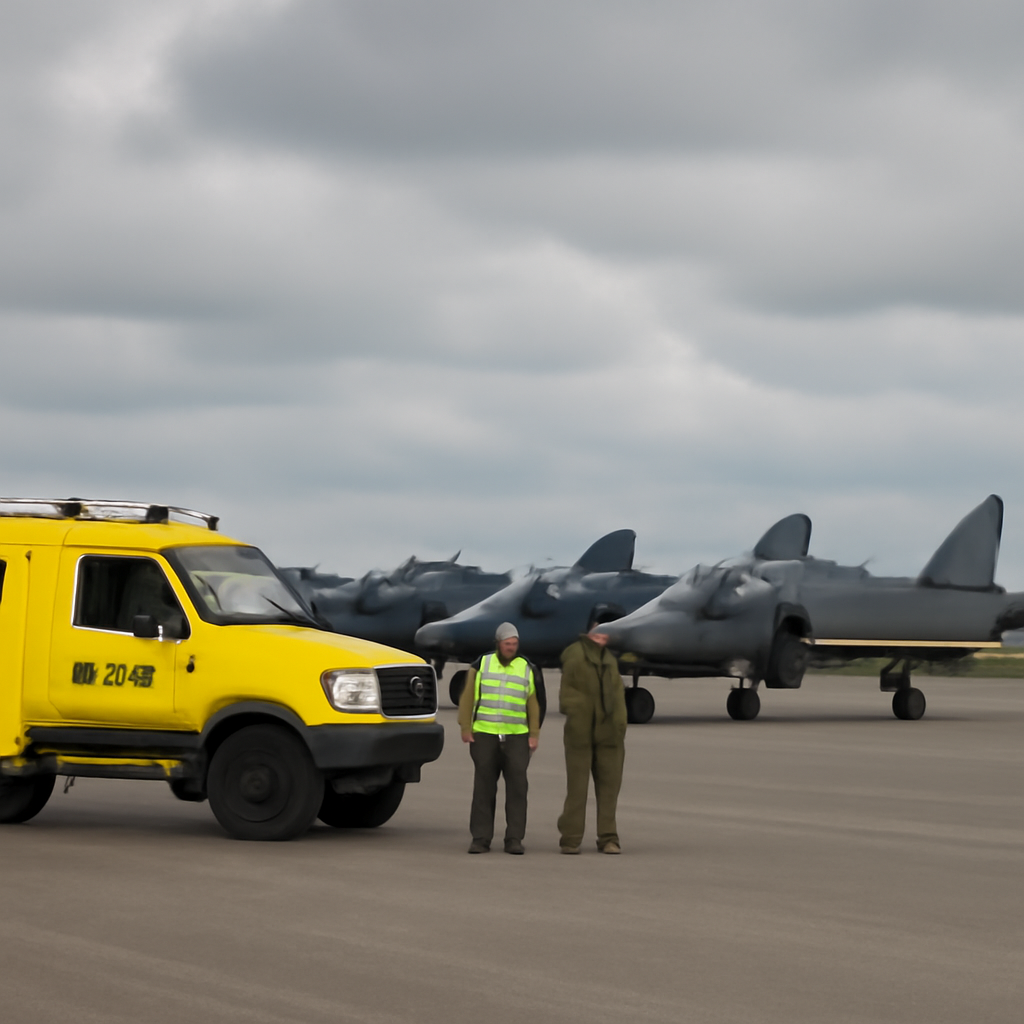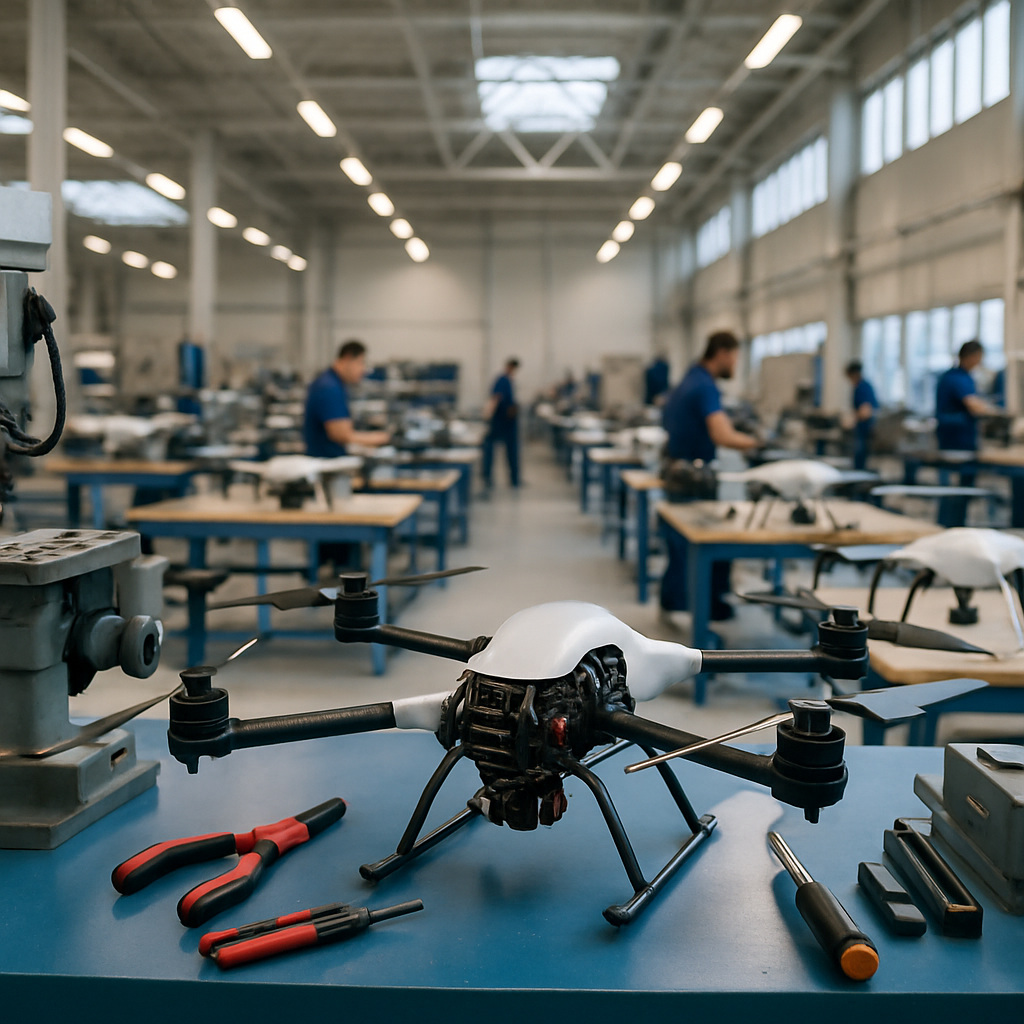
“We’ll use the revenues from the SAHA expo to establish these centers, which will help us instantly achieve the production capacity of millions of drones nationwide at any given moment,” Haluk Bayraktar, chairman of the board of directors of SAHA and CEO of Baykar, told media on an April 25 preview call.
Haluk Bayraktar’s pledge: drone production in all 81 provinces
Bayraktar announced organizers will funnel revenues from SAHA back into creating drone production and training centers in each of Turkey’s 81 provinces. He said the largest center will be in Istanbul and that the centers “will be open to the public” to encourage youth participation — from training to testing. The announcement included no timeline and did not specify which portions of SAHA’s revenues would be dedicated to the program.
SAHA 2026: attendance, exhibitors, and financial targets
Organizers are planning what they describe as an all-time attendance for the biennial SAHA expo, which opens May 5. In 2024, deals announced at SAHA totaled $6.2 billion; Bayraktar said the target for this year is $8 billion. The show will host more than 1,700 companies, a dramatic climb from the 17 firms that took part in the first edition in the early 2000s. Roughly 260 participating companies will be from abroad.
Ali Bakir, a defense analyst and professor at Qatar University, told Breaking Defense that “SAHA 2026 is poised to be the most ambitious edition yet, with expectations for record-breaking numbers of exhibitors, visitors, and floor space,” and he pointed to “a significant increase in international participation from the Gulf, Asia-Pacific, North Africa, and Europe.”

Audit-ready is a season. It shouldn't be.
Evidence in spreadsheets, controls drifting between audits, frameworks multiplying on flat headcount. Nubivance runs continuous compliance on Rapid7 Cyber GRC - SOC 2, HIPAA, ISO 27001, PCI, CMMC.
End the scrambleNew systems on display: drones, munitions, naval and counter-drone tools
Turkish companies are using SAHA to debut or preview a mix of unmanned systems, munitions, and countermeasures. Baykar said it will unveil the “MIZRAK Intelligent Loitering Munition,” claiming a range above 1,000 km and AI-assisted features. Local media outlets reported Havelsan will show a new vertical take-off and landing one-way attack drone. Roketsan posted a dimmed image on X of a smart micro munition called MAM, describing it as a “new player” with “high-precision strike capability on pinpoint targets and minimum collateral damage performance.”
MKE is expected to present air defense artillery and naval systems, including the Enfal 17 laser counter-drone system. STM said it will launch six new platforms, among them a long-range loitering munition, a new version of its Alpagu fixed-wing one-way attack drone, a one-way Unmanned Surface Vessel (USV), and an Extra Large Unmanned Underwater Vehicle (XLUUV).
Bakir summarized the pattern on display: “The systems being unveiled, from new-generation missiles to unmanned platforms across air, land, and sea, reflect a mature industrial base capable of delivering combat-proven solutions at competitive cost and timelines.”
International ties: foreign exhibitors and the Eurofighter Typhoon
About 260 foreign firms will join the exposition, and Eurofighter’s Typhoon jet is expected in the static display. The story cited an October 2025 deal in which Turkey contracted to procure 20 Eurofighter Typhoons for $10.66 billion, a sale the UK prime minister’s office described as “the biggest fighter jet exports deal in a generation.” Organizers and analysts highlight that rising international participation — from the Gulf to Europe and the Asia-Pacific — is part of SAHA’s evolution from a national showcase into a “global meeting point,” in the words of Ali Bakir.
What this means for technologists, policymakers, and youth
- Technologists and security teams: Experts quoted in the reporting pointed to persistent capability gaps even as product portfolios broaden. Serhat Süha Çubukçuoğlu of TRENDS Research & Advisory noted challenges in “engine technologies, high-end sensors, semiconductor manufacturing, financing, and competition from larger, established suppliers.” Those are the technical constraints to watch when assessing whether mass production targets are feasible.
- Policymakers and procurement leaders: The declared plan to recycle expo revenues into provincial production centers signals a deliberate move to decentralize Turkey’s defense-industrial base beyond traditional hubs. Çubukçuoğlu said the initiative “spreads the defense-industrial base beyond Istanbul, Ankara, Eskişehir, and other traditional hubs” and could align with a broader strategy to expand industrial production into other regions.
- Youth, technicians, and local economies: Bayraktar’s intent to open centers to the public aims to create a pipeline of technicians and engineers. Çubukçuoğlu said such centers “could generate local skills, create a pipeline of technicians and engineers, and connect youth to defense technology,” turning company-level success into “a nationwide defense-industrial mobilization model.”
The claims announced ahead of SAHA 2026 paint a bold picture: record attendance, ambitious revenue goals, and an industrial plan to distribute drone production nationwide. The announcement is concrete in its scope and some product rollouts, but it remains light on implementation detail — notably timing and the exact funding mechanism for the proposed provincial centers. As the expo opens, the industry will display new systems and test the market; whether revenues and technology transfer deliver “millions of drones” on demand will depend on answers that Bayraktar and organizers have yet to provide.