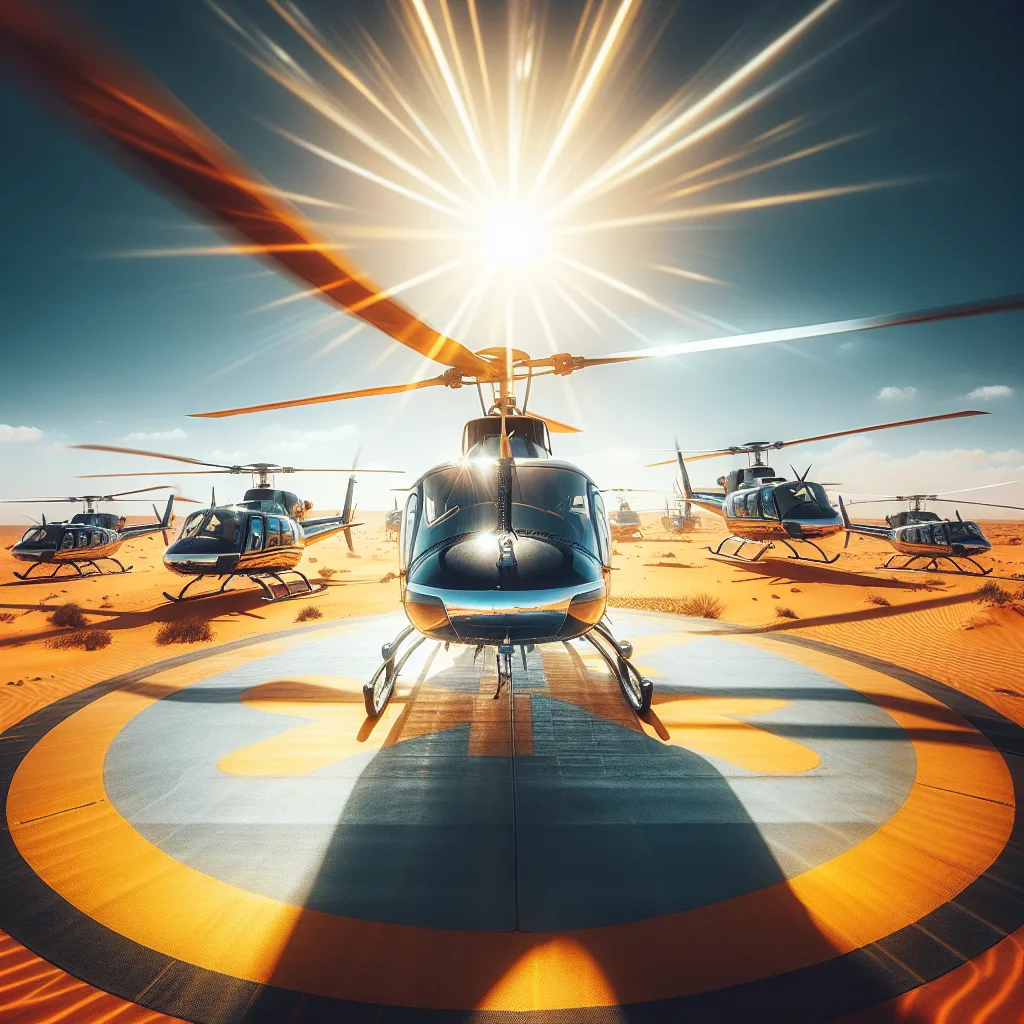
Tunisia’s Strategic Leap: Acquisition of 12 Bell 412EPX Helicopters
As the global stage shifts and regional conflicts evolve, Tunisia has taken a significant step in bolstering its military capabilities. The Tunisian Air Force’s recent agreement with Bell Textron Inc. to procure 12 SUBARU Bell 412EPX helicopters signals not just an upgrade in hardware but a critical advancement in national defense strategy. But what does this acquisition really mean for Tunisia and its place in an increasingly complex geopolitical landscape?
This announcement, made at the Paris Air Show, marks the first time the 412EPX variant will be introduced in the Middle East and Africa. The implications of this acquisition stretch far beyond the immediate enhancement of aerial mobility; they touch on regional security dynamics, military readiness, and international partnerships.
To fully grasp the significance of this deal, it’s essential to consider Tunisia’s historical context. Since gaining independence from France in 1956, Tunisia has navigated a path marked by periods of political turbulence, economic challenges, and a burgeoning desire for stability following the Arab Spring in 2011. The transition to democracy has not been without its hurdles; however, the Tunisian government recognizes that a robust defense infrastructure is vital for safeguarding its sovereignty amid shifting alliances and rising threats.
The acquisition of these helicopters is particularly pertinent at a time when North Africa grapples with security concerns stemming from regional instability and terrorism. Tunisia has been on the frontlines of combating extremist groups, and enhancing air support capabilities could greatly assist ground forces during counter-terrorism operations. The versatility of the Bell 412EPX makes it ideal for various missions—including troop transport, medical evacuations, and reconnaissance—bolstering operational flexibility.
Currently, there is heightened focus on military modernization across several North African nations. Countries such as Algeria and Egypt have engaged in extensive arms acquisitions and collaborations with global defense manufacturers. In this competitive atmosphere, Tunisia’s procurement of advanced helicopter technology can be viewed as both a necessary defensive measure and a strategic response to neighboring powers’ military expansions.
This strategic pivot towards enhanced air capabilities also reveals deeper implications for international relations. By partnering with Bell Textron—an established entity in defense manufacturing—Tunisia is aligning itself with not only technological advancements but also cultivating stronger ties with the United States, given that Bell Textron is an American company under Textron Inc. This partnership might open doors for future collaborations or aid packages aimed at supporting Tunisia’s military objectives.
From an expert perspective, analysts suggest that this move could serve to solidify Tunisia’s role as a stabilizing force within North Africa. According to Dr. Saïd Ferjani, a security analyst based in Tunis, “The introduction of these helicopters into our arsenal will enhance our operational capabilities significantly. It sends a message not only to potential adversaries but also reassures our allies about our commitment to maintaining regional security.”
The ramifications of this acquisition extend beyond mere operational enhancements; they impact public perception as well. As Tunisians witness their government investing in defense resources while navigating economic challenges at home, questions arise regarding priorities and governance. For many citizens concerned about socioeconomic issues such as unemployment and inflation, military investments could appear incongruent with pressing domestic needs.
Looking ahead, several factors warrant close attention regarding this acquisition:
- Operational Integration: How effectively Tunisia integrates these helicopters into existing military frameworks will determine their impact on overall readiness.
- Sustainment Support: Ongoing maintenance capabilities will be crucial—will Tunisia have access to necessary parts and training?
- Geopolitical Reactions: How neighboring countries perceive this move may influence regional dynamics; both cooperation and competition could escalate.
The ongoing evolution of Tunisian military capabilities against the backdrop of North African geopolitics poses critical questions about balance and power dynamics within the region. What remains clear is that Tunisia’s decision to acquire these helicopters marks a significant juncture in its national defense strategy. In an era where security threats are multifaceted and borderless, how prepared is Tunisia—and indeed all nations—to adapt? As we observe these developments unfold, one thing remains constant: the pursuit of stability often requires difficult choices between immediate needs and long-term strategic goals.



