Unveiling the Aerial Chessboard: Drone Strikes and the Silent Warning from the Tu-95
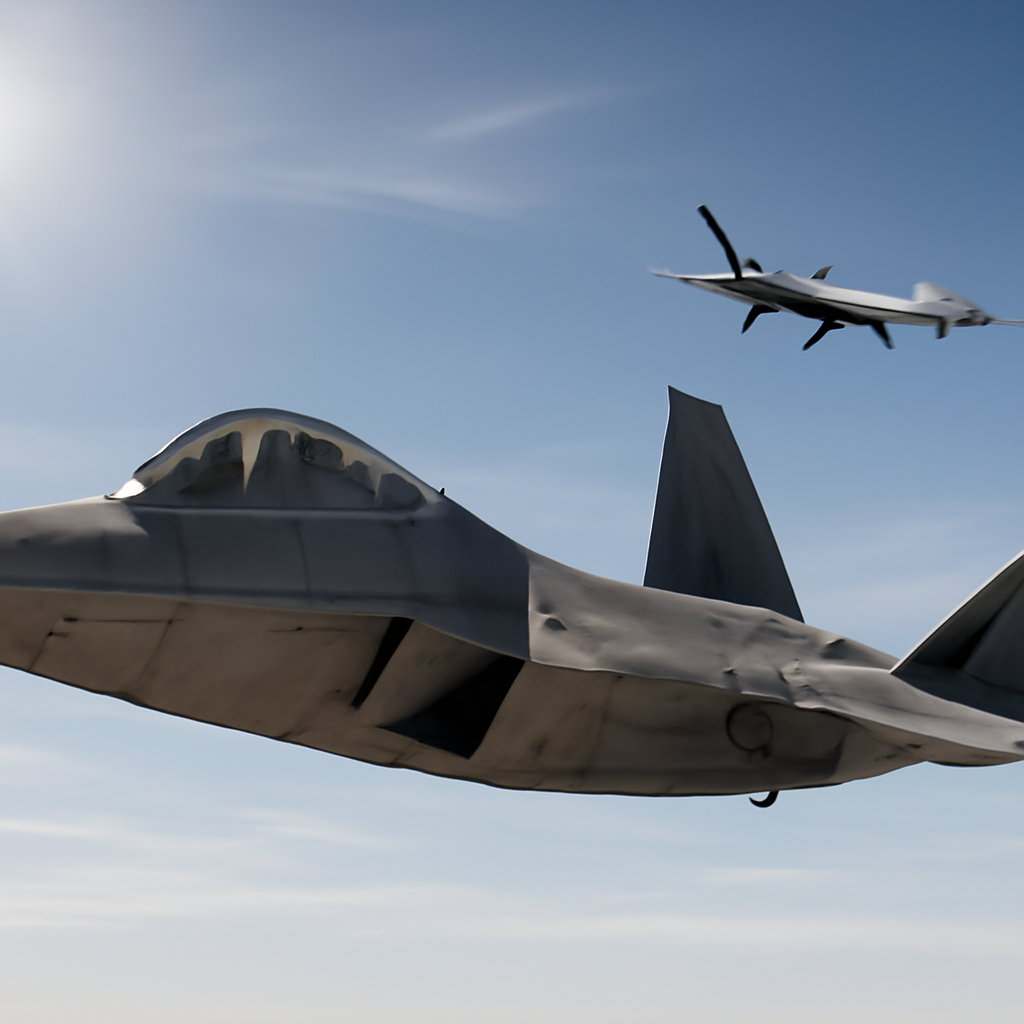
Ukrainian security forces have again rattled the strategic nerves of Eurasia. In dramatic and unprecedented footage released by Ukraine’s Security Service (SBU), a large-scale drone operation — codenamed “Pavutyna” (“Spiderweb”) — reveals a fierce counter-strike that reportedly impaired 41 Russian long-range aircraft. Among the images, observers note several Tu-95 bombers positioned on the tarmac in what appears to be a pre-launch state, armed with the long-range Kh-101 missiles. This striking visual evidence adds a new layer of complexity to a conflict already defined by a blend of conventional might and modern warfare technology.
The release of these images marks not only a tactical milestone but also a potent symbolic gesture in the ongoing Russo-Ukrainian confrontation. The Ukrainian drone campaign, named “Spiderweb” for its intricate, interlocking tactics designed to trap and disable enemy assets, is seen as part of a broader effort to leverage asymmetry against a conventional military adversary. With decades of Russian dependence on its vast fleet of Tu-95 bombers for nuclear deterrence and strategic projection, the apparent compromise of these platforms by Ukrainian unmanned systems signals a potential paradigm shift in the way military power is projected in the region.
Historical accounts of the conflict outline a progression from rapid, ground-based engagements to a highly sophisticated contest in both cyber and aerial domains. The Tu-95, a venerable symbol of Cold War-era might, has served as a backbone of Russian strategic aviation. Its evolution over the years, including the integration of modern missiles like the Kh-101, reflects Russia’s attempt to ensure that aging platforms remain relevant on today’s battlefields. Yet, as this recently publicized episode appears to illustrate, the integration of advanced missile systems does little to shield these platforms from the asymmetric threats posed by modern drone warfare.
At the heart of the latest operation lies an implicit question: how effective are traditional military assets when faced with agile, technology-driven counter-strike strategies? The SBU’s released video not only shows the Tu-95s in a state of readiness but suggests that these long-range bombers were potentially caught off-guard, their formidable missile armaments rendered vulnerable by a meticulously executed drone strike. For defense strategists, the operation “Pavutyna” is emblematic of evolving methodologies in modern warfare—methods that blend rapid intelligence gathering, precision targeting, and the psychological dimension inherent in showcasing one’s capabilities.
Central to appreciating the significance of this event is understanding the dual nature of today’s aerial conflict. Traditional flight formations, once symbols of brute force and dominance, now find themselves under the watchful eye of unmanned aerial vehicles (UAVs) that can operate with near-impeccable precision and minimal exposure to risk. For decades, the Tu-95’s robust design and payload capacity have been pillars of Russian air power, capable of delivering nuclear and conventional strikes deep into adversary territory. However, the introduction of advanced drone operations, nuanced by high-resolution surveillance and networked electronics, challenges the assumption that legacy systems are invulnerable. As one observer noted in a recent analysis published by the Royal United Services Institute, the adaptation of drone technology in combined arms operations represents a transformative shift in how conflicts are managed and won.
Several factors contribute to the contemporary strategic dynamic. First, the pace at which technology evolves means that even battle-hardened platforms must contend with rapidly emerging threats. Advanced drones can now identify, target, and neutralize specific enemy assets with a level of granularity that was unimaginable during the height of the Cold War. This technological evolution is compounded by an environment where operational security and rapid tactical shifts are the order of the day, leaving little room for error in an adversary’s planning.
Moreover, recent developments have underscored the sensitive interplay between technology, morale, and international political messaging. The witnessing of Tu-95 bombers loaded with Kh-101 missiles by the drone’s lens does more than depict a tactical engagement—it sends a broader signal about the vulnerability of even the most storied military assets in the face of modern, networked warfare. For policymakers and military planners in Moscow, the implications are both technological and psychological, suggesting a reconsideration of reliance on legacy systems amidst modern threats.
This incident also offers tangible insights into Ukraine’s integrated warfare doctrine. Over the past few years, the nation has significantly invested in drone technology and intelligence-driven operations. The “Spiderweb” operation appears to combine these strengths with a daring willingness to engage high-value targets directly. Such strategies are emblematic of a broader trend where smaller nations employ innovative tactics to offset the numerical and technological advantages of larger adversaries. In a conflict characterized by rapid shifts in battlefield realities, these drone operations are not merely tactical; they are strategic repositionings.
There is also a compelling economic dimension. Modern warfare demands not just the deployment of assets but also a shift in budgeting priorities and technological investments. Western defense analysts and think tanks, including the Atlantic Council, have observed that operations such as “Pavutyna” encourage a reallocation of fiscal resources—from traditional, manned combat aircraft investments to more cost-effective and adaptable unmanned systems. The economic rationale is clear: if a swarm of drones can neutralize a platform as heavily armed as the Tu-95, then the cost-to-benefit ratio favors further innovation in UAV technology over the maintenance of outdated strategic bombers.
While concrete attribution remains a matter of official investigation and debate, the visual evidence captured in the released footage demands a measured response from all stakeholders. Kremlin officials have yet to offer a detailed rebuttal or comprehensive assessment of the implications that these images present to Russia’s strategic posture. Nevertheless, military experts caution that signals sent by such operations can lead to a recalibration in planning on both sides. For instance, an increased emphasis on deploying counter-drone technologies, enhancing radar and electronic warfare capabilities, and adapting the operational doctrines governing the use of large, manned aircraft can be expected in the near term.
Observing these developments through an interdisciplinary lens reveals an intricate convergence of technology, international security policy, and the human element. In the corridors of power in Moscow, Washington, and Kyiv alike, the mood is one of cautious recalibration. Military strategists are pressured to adapt in an arena where battlefield success is increasingly determined by the ability to deploy technologic assets that combine speed, stealth, and accuracy. Is this the herald of a new chapter in aerial combat where legacy systems become relics in the shadow of the digital age? For the men and women who operate these systems on both sides, the stakes could not be higher.
In the coming months, the evolution of drone warfare and conventional military engagements alike will be under close watch. Observers note several potential pathways: a renewed emphasis by Russia on updating and securing its strategic missile platforms, an escalation in counter-drone defenses across the region, and an intensification of cyber and electronic warfare as both sides strive to intercept and neutralize the other’s advanced assets. Independent researchers and defense analysts alike urge that the true measure of these operations should not be found solely in territorial gains or losses but in the capacity to adapt and innovate in response to evolving threats.
The unfolding scenario is a stark reminder that in modern conflicts, every asset on the airfield—from a seasoned bomber to a nimble drone—is both a tool for warfare and a symbol of broader strategic narratives. From a human standpoint, this battle underscores the unprecedented challenges faced by military personnel who must operate in a realm where technology and tradition intersect in unpredictable ways. As the skies over Ukraine continue to be both a theatre of war and a testing ground for new tactical doctrines, the question looms large: what is the future of air power when even the venerable giants of the past are vulnerable to the unseen might of modern technology?
Ultimately, the release of these images may serve as a catalyst for a profound rethinking of aerial warfare strategies across the globe. Relationships between technology investors, defense policymakers, and military operators are now poised at a crossroads. The crucial takeaway is a reminder that conflict is rarely static; it is a dynamic interplay of human ingenuity, technological prowess, and shifting strategic imperatives that will continue to redefine the art of war in the 21st century.