Trump’s 60-Day Ultimatum: A High-Stakes Gamble in Iran Nuclear Diplomacy
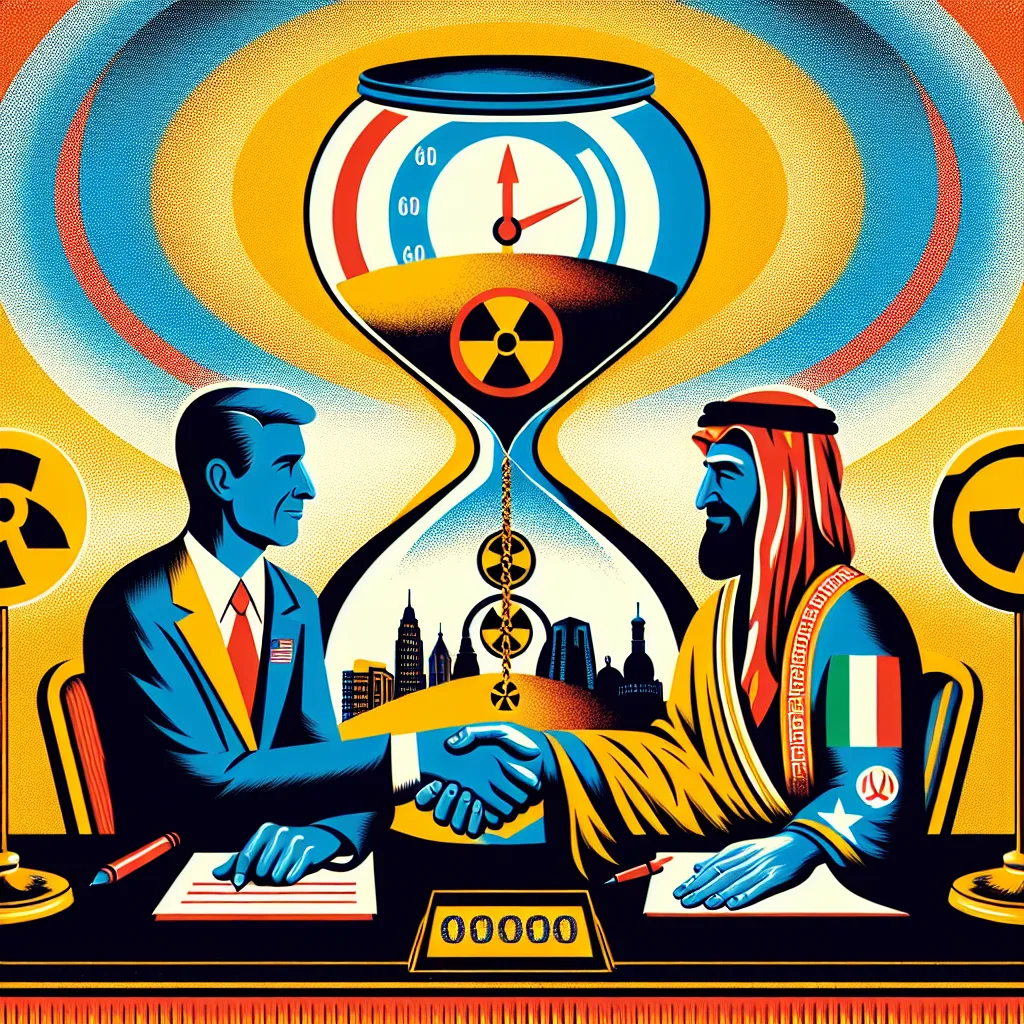
In a bold and potentially perilous diplomatic maneuver, President Donald Trump has issued a 60-day ultimatum to Iran, demanding demonstrable progress in nuclear negotiations or facing unspecified military consequences. This ultimatum, conveyed in a letter to Iran’s Supreme Leader, Ayatollah Ali Khamenei, marks a significant escalation in the already fraught relationship between the United States and Iran. As tensions simmer, the question looms: can diplomacy prevail, or are we on the brink of a military confrontation?
The backdrop to this ultimatum is a complex tapestry of historical grievances, geopolitical maneuvering, and the ever-present specter of nuclear proliferation. The Joint Comprehensive Plan of Action (JCPOA), commonly known as the Iran nuclear deal, was initially brokered in 2015 under President Barack Obama, aiming to curtail Iran’s nuclear ambitions in exchange for sanctions relief. However, the deal has been a point of contention, with President Trump withdrawing the U.S. from the agreement in 2018, citing Iran’s continued regional aggression and ballistic missile development as violations of the spirit of the agreement.
Since the U.S. exit from the JCPOA, Iran has gradually rolled back its compliance, enriching uranium to levels that exceed the limits set by the original agreement. The situation has been further complicated by a series of regional conflicts and proxy wars, with Iran’s influence extending through various militias across the Middle East. The stakes are high, not just for U.S.-Iran relations, but for global security and the stability of the Middle East.
Currently, the diplomatic landscape is fraught with uncertainty. Reports indicate that President Trump’s letter to Khamenei outlines specific expectations for Iran to demonstrate progress in nuclear negotiations within the 60-day timeframe. While the exact nature of these expectations remains undisclosed, the implications are clear: failure to comply could lead to military action, a prospect that many analysts view as a dangerous escalation.
Why does this matter? The ramifications of this ultimatum extend far beyond the immediate U.S.-Iran relationship. A military confrontation could destabilize the entire region, leading to a humanitarian crisis and potentially drawing in other global powers. Moreover, it raises questions about the efficacy of U.S. foreign policy in the Middle East, particularly in light of the lessons learned from previous military engagements in Iraq and Afghanistan. The potential for a miscalculation or unintended escalation is significant, and the consequences could be dire.
Experts in international relations and Middle Eastern politics offer a range of perspectives on this development. Dr. Sarah H. O’Connor, a senior fellow at the Brookings Institution, notes that “the 60-day deadline is a double-edged sword. It puts pressure on Iran but also risks alienating potential allies who favor a more diplomatic approach.” Meanwhile, former U.S. Ambassador to Iran, William H. Luers, argues that “this ultimatum could backfire, pushing Iran further away from negotiations and into a corner where they feel they have no choice but to respond militarily.”
Looking ahead, the next two months will be critical. Observers should watch for several key indicators: Iran’s response to the ultimatum, any shifts in the rhetoric from U.S. officials, and the reactions of European allies who have been attempting to mediate between the two nations. Additionally, the domestic political landscape in both countries could influence the trajectory of these negotiations. In the U.S., the upcoming presidential election may impact Trump’s approach, while in Iran, internal pressures could dictate a more hardline stance.
As we navigate this precarious moment in international relations, one must ponder the broader implications of such a high-stakes ultimatum. Is the world prepared for the potential fallout of a military confrontation with Iran? The answer may lie in the delicate balance between diplomacy and deterrence, a balance that has proven elusive in the past. Ultimately, the human cost of failure in these negotiations could be profound, reminding us that behind every political maneuver lies the lives of countless individuals caught in the crossfire.