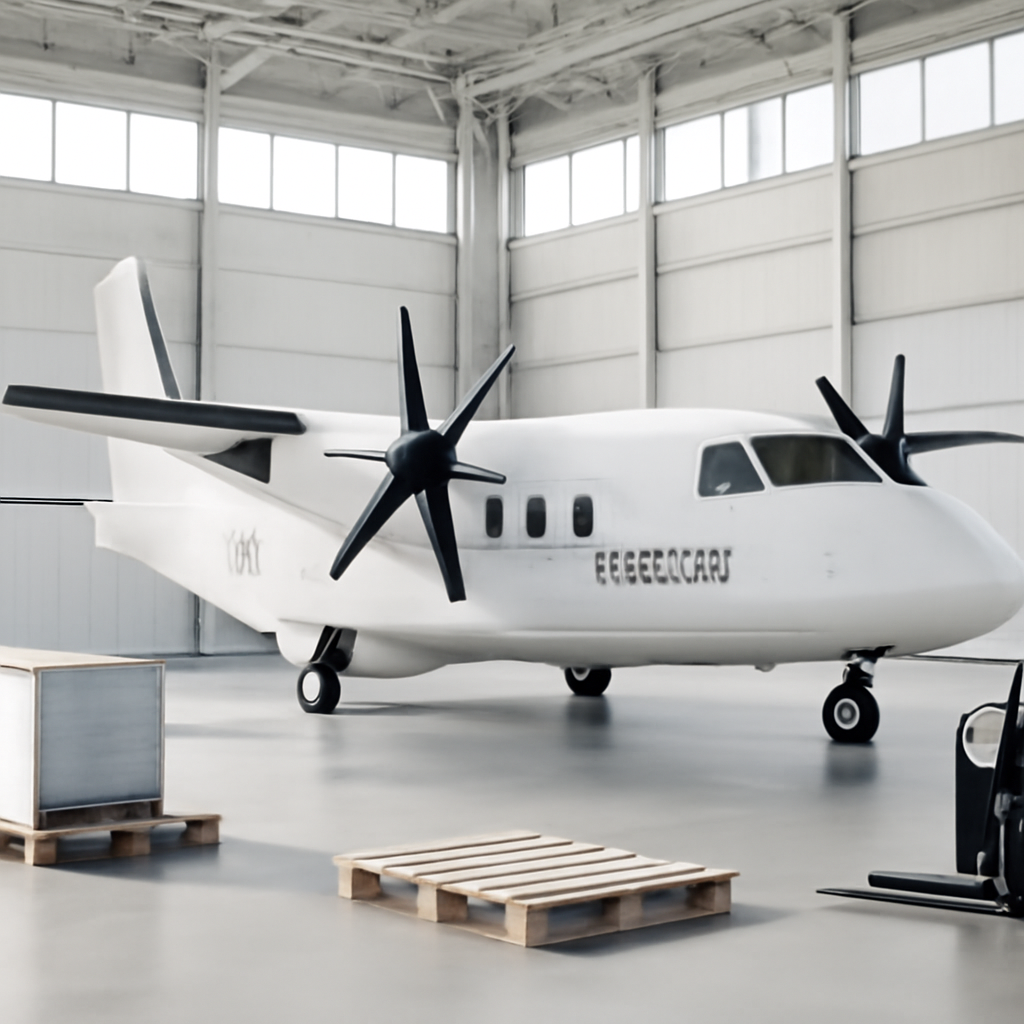
"The aircraft’s being operated literally from the Arctic to the Amazon," said Bob Gibbs, Textron’s vice president of special missions sales, underscoring why the company and Merlin Labs believe converting a familiar twin-turboprop into an uncrewed freighter can move quickly from concept to combat logistics.
Textron and Merlin Labs: production speed as a selling point
Textron, owner of Cessna, and autonomy provider Merlin Labs unveiled SkyCourier UX — an uncrewed variant of the six-year-old Cessna 408 SkyCourier — as a production-ready option the companies say could be fielded quickly because the base airframe is already in serial manufacture. Merlin CEO Matt George framed the choice of partner around production capacity: "There’s 14,000 Americans working in Wichita, Kansas, on a production line where these aircraft, at least in the crewed configuration, are coming off the production line," he said, arguing that proven production matters as much as concept renders.
Executives said the next development step will be an optionally piloted SkyCourier to let users acclimate to the platform before moving to full uncrewed operations.
SkyCourier UX design and cargo capabilities
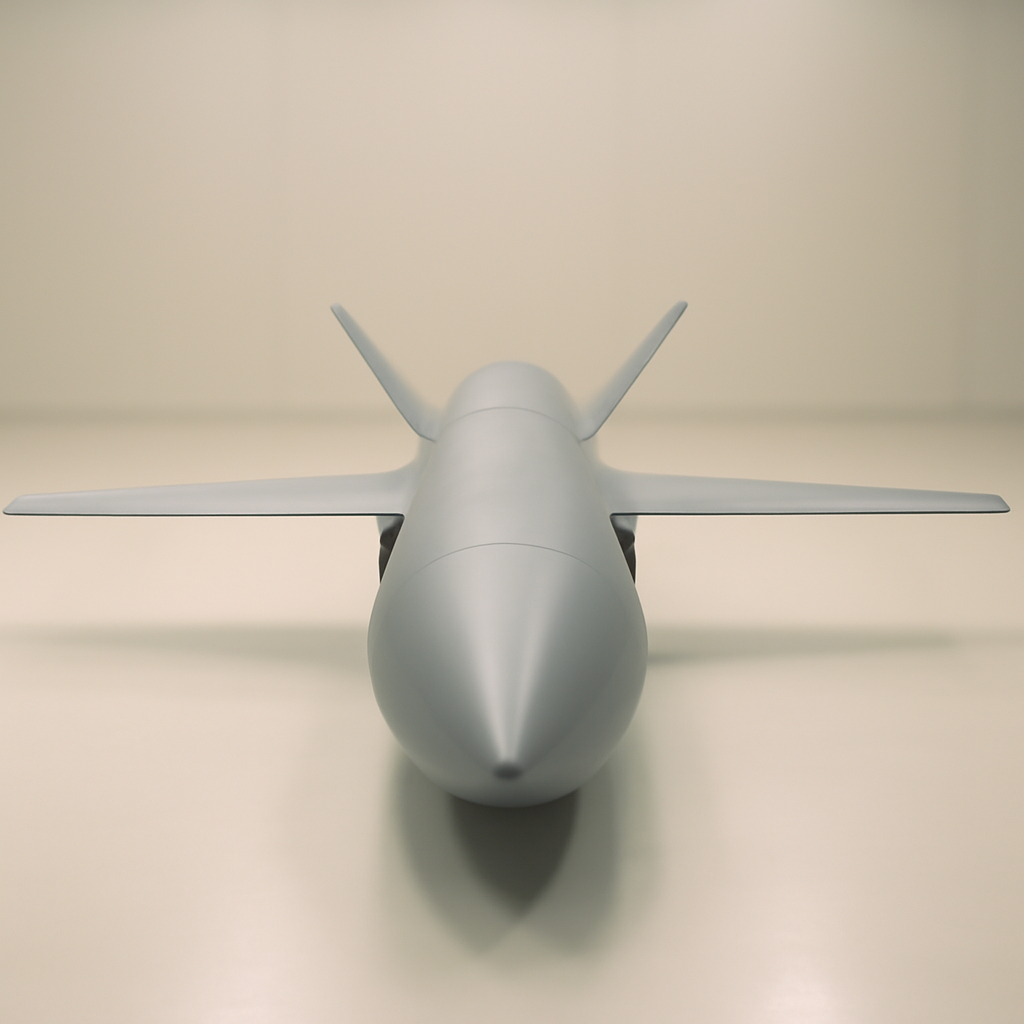
The uncrewed variant retains the SkyCourier’s twin turboprops, high-wing configuration and aluminum airframe but replaces the cockpit with a hydraulically opening nose hatch that exposes a cargo bay. The modification is presented as a logistical convenience: the nose hatch allows loading of outsized cargo without specialized equipment, though it does not increase payload capacity. As with the crewed SkyCourier, the UX is rated for about 6,000 pounds (roughly three standard containers) and can carry three standard LD3 pallets.
Textron’s spec sheet lists a range of about 900 nautical miles and takeoff and landing performance that suits austere fields: takeoff on runways as short as 3,300 feet and landing in just 2,500 feet. Company materials highlight palletized loading as a key advantage for moves into forward or remote positions, reducing the need to break down and repackage loads en route.

The cyber insurance questionnaire just landed. Now what?
SOC 2, HIPAA, insurance renewals - someone has to own security strategy. Nubivance provides fractional CISO leadership without the full-time salary.
Get a security leadMerlin Pilot autonomy package and claimed capabilities
Merlin’s autonomy stack, Merlin Pilot, is central to the concept. The company says Merlin Pilot is already in use under a $105 million U.S. Special Operations Command contract to develop autonomy for the C-130J Super Hercules, and that the software has flown aboard "four different single and multi-engine airframes," according to Merlin. Promotional material and company statements list features including autonomous takeoff, landing and navigation; flight-envelope protection; and human-machine teaming functions such as pilot health monitoring, gaze tracking, fatigue detection, pilot incapacitation and contingency response, and flight monitoring and assistance. Merlin also pitched developing an AI copilot for KC-135 tankers.
Textron executives note incremental automation elsewhere in their product line, pointing to Garmin auto-land technology now standard on Cessna Citation Gen3 business jets as part of a "future-proofing" approach.
U.S. military interest, operational tradeoffs, and testing questions
The U.S. military has demonstrated interest in uncrewed logistics: last year the Air Force signed a $17.5 million contract to install a Reliable Robotics autonomy package on a Cessna 208B Caravan. Air Force Chief of Staff Gen. Ken Wilsbach told an audience he supports testing unmanned aerial logistics demonstrators, but that "nothing, no program of record just yet."
At the same time, doubts about autonomy maturity for large-aircraft roles remain. Lt. Gen. Daniel Tulley, commander of Air Force Mobility Command, said some company offers to retrofit systems onto KC-135s and other aircraft have not demonstrated successful tests, adding: "we’re not yet to where we’re employing fully autonomous large aircraft." He also said the technology is "there and rapidly getting there," while stressing a persistent need for autonomous or small light-lift capabilities in last-tactical-leg distribution.
Textron and Merlin acknowledge limits. SkyCourier UX includes GPS‑denied navigation and path-seeking to avoid danger, but "it doesn’t have other built-in defenses," the companies concede. How much risk services will accept for a relatively small (~6,000-pound) logistics payload in contested environments remains an open operational question.
What this means for the Air Force, the Army, and Pacific island logistics planners
- The Air Force: Gen. Wilsbach’s comments signal continued evaluation rather than commitment; the service is testing demonstrators and watching autonomy packages like Merlin Pilot and Reliable Robotics, but has no program of record yet.
- The Army: Textron’s Gibbs said he hopes "the Army and Air Force fight over it," indicating the platform could appeal across services that need pallet-capable short-field lift if an optionally piloted transition eases operational integration.
- Pacific island logistics planners: with a roughly 900-nm range and short-field performance, the SkyCourier UX is pitched for island-hopping and refueling on austere runways; however, executives conceded the range cannot span the nearly 2,000-mile distance between the first and second island chains without intermediate support.
Textron and Merlin are selling a familiar airframe plus an autonomy stack as a near-term answer to dispersed logistics needs. But the companies have yet to build a SkyCourier UX prototype, and questions remain about autonomy maturity for large-aircraft roles, the payload trade-offs for contested missions, and whether services will accept the risk profile for uncrewed cargo flights. The next steps to watch are the optionally piloted development, prototype construction, and which U.S. military customer — if any — decides to take the demonstrator into operational testing.