$13–14 billion in US weapons remains unapproved because “the State Department is yet to initiate the procedure required to get those weapons to Taipei.”
Washington’s stalled offer to Taipei
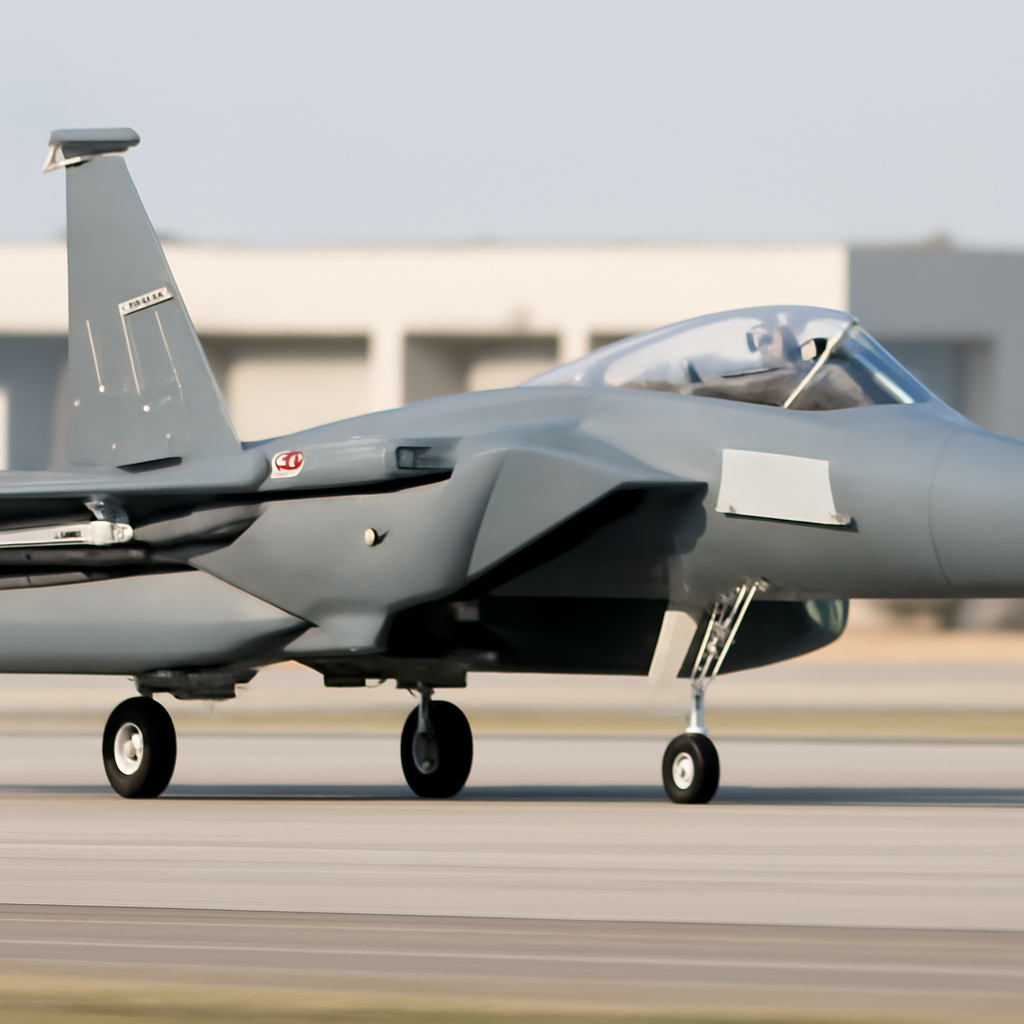
The prospect of a major US arms sale to Taiwan — roughly US$13 to 14 billion in value and publicly known since February — was discussed but not decided at the 24 September Trump–Xi summit. That indecision follows a previous, separate package, valued at US$11 billion, which was approved by the State Department in December 2025 and went into effect in March. The latter sale coincided with a bitter domestic fight in Taipei over a special defence budget; President Lai Ching-te’s government ultimately paid for initial Himars deliveries only after an emergency disbursement, a US deadline extension and passage of a down‑scoped special defence budget 48 hours later.
The newsletter reports that the Biden-era rhetorical framework often invoked — that the US might reduce arms sales if China commits to a peaceful resolution — is being repurposed by the Trump administration as leverage in bilateral talks with Beijing. Yet, the State Department’s failure to formally launch the approval process has left the sale as a policy bargaining chip rather than a concluded transfer, and senior figures in the president’s own party are described as uncertain about the approach.
Taiwan’s maritime and undersea posture
Alongside procurement politics, Taipei has continued to alter its posture at sea. On 23 September Taiwan’s coast guard announced a 100‑tonne‑class patrol vessel was being permanently stationed at Pratas Island, a Taiwan‑controlled South China Sea feature about 300 km southeast of Hong Kong. The move follows persistent encroachment by mainland coast guard vessels and was enabled by a wharf buildout scoped in 2020.
Sea forces and shipbuilding also feature elsewhere: the Hai Kun, Taiwan’s first home‑made submarine, departed Kaohsiung on 22 September for another round of sea trials and the navy may take delivery as early as next month. The government has fined CSBC Corp for delay because the boat was wanted in the water last November.

Your town's IT department is one person. Maybe.
Ransomware crews target small municipalities because nobody's watching. Nubivance gives Maine and New Hampshire towns a security program sized to a town budget.
Protect the town officeExercise posture and mid‑range deployment in the region
US capability posturing in the western Pacific is also evident. The US Army’s new Mid‑Range Capability — described as ‘mid‑range’ meaning about 1,600 km — has been forward‑operating into the region since 2024. An MRC unit was positioned at Japan’s Kanoya Air Base in June for Exercise Valiant Shield, remained for months, and participated in September’s Exercise Orient Shield. That unit will be placed in storage at Kadena Air Base on Okinawa “temporarily,” according to Japan’s defence ministry, while Defence Minister Shinjiro Koizumi said holding MRC at Kadena will support rapid US deployment and more flexible combined training.
Indonesia’s new carrier, KRI Sriwijaya‑100, and its costs
The former Italian carrier Giuseppe Garibaldi arrived in Jakarta on 18 September and was recommissioned a week later as KRI Sriwijaya‑100. Jakarta does not plan fixed‑wing carrier aviation; instead the navy envisions the ship as a mobile command hub for helicopters and drones to support maritime operations across the archipelago, and President Prabowo Subianto has directed adaptations to fight fires. The carrier was a donation, but Indonesia’s Finance Ministry approved US$450 million for the aircraft carrier program in 2025 to cover associated costs.
ASPI notes the sustainment burden: crew, modernisation, operation and maintenance for a four‑decade‑old ship will impose ongoing costs, and integration into a fleet composed of diverse foreign designs raises questions about coherent force design versus an eclectic collection of platforms.
China, the Philippines and obstruction at Second Thomas Shoal
On 24 September Chinese coastguard and navy vessels obstructed a Philippine mission to the BRP Sierra Madre, according to Philippine officials; the Philippine Coast Guard said “dangerous manoeuvres” prevented the resupply. That incident interrupted a provisional arrangement reached in July 2024 that had kept supplies flowing to Philippine troops at Second Thomas Shoal and triggered a sharp public exchange between the US and Chinese embassies in Manila. The US has stated that the US–Philippines Mutual Defense Treaty covers armed attacks on Philippine armed forces and public vessels in the South China Sea; ASPI notes China’s use of ships as physical obstructions is calibrated to remain below that threshold.
Chief Tevita Mara’s challenge to Fiji’s ratification of Australia treaties
In Fiji, chief Tevita Mara — deputy chair of the Great Council of Chiefs — publicly called on parliament on 18 September not to ratify the Vuvale Union and Ocean of Peace Alliance treaties with Australia until broader consultations occur. Mara likened the agreements to the 1874 Deed of Cession and asked the government to release supporting documents, publish independent legal advice on Fiji’s obligations, provide a plain‑language explanation of “deepening integration” with Australia, and consult further with the public. The Great Council of Chiefs was restored in 2023 as an advisory body; a constitution review proposal published on 22 September contemplates expanding the council’s political functions, making Mara’s intervention timely as parliament considers the treaties.
For Canberra, ASPI's account is a reminder that security deals in the Pacific can be reopened by domestic debate over sovereignty and the role of traditional institutions — a dynamic evident in last year’s delayed Nakamal Agreement with Vanuatu.
Across the region, concrete next steps are visible: whether the US State Department initiates Taiwan’s sale approval, whether Taiwan formally takes delivery of Hai Kun next month, how Indonesia budgets to sustain Sriwijaya‑100, whether resupply missions to the Sierra Madre continue under the July 2024 arrangement, and whether Fiji’s parliament acts on Tevita Mara’s demands. Each of those decisions will shape not just capability but the political calculations that surround them.