Tag: public safety
77 articles

AI Model Exposes Vulnerability in Police Tip System
The Philadelphia Police Department is taking a closer look at its tip system after an AI model uncovered a vulnerability by submitting a fake tip about an unsolved homicide. The incident has raised concerns about the potential for false leads and the need for more robust safeguards.

China's Type79 Submachine Gun Persists in Modernized Form
Meet the Type 79 submachine gun, a relic of the past that's still packing a punch in modern times - and just proved its mettle in a high-stakes showdown with a runaway mad cow. One shot, one kill, thanks to its potent 7.62×25 mm Tokarev firepower!
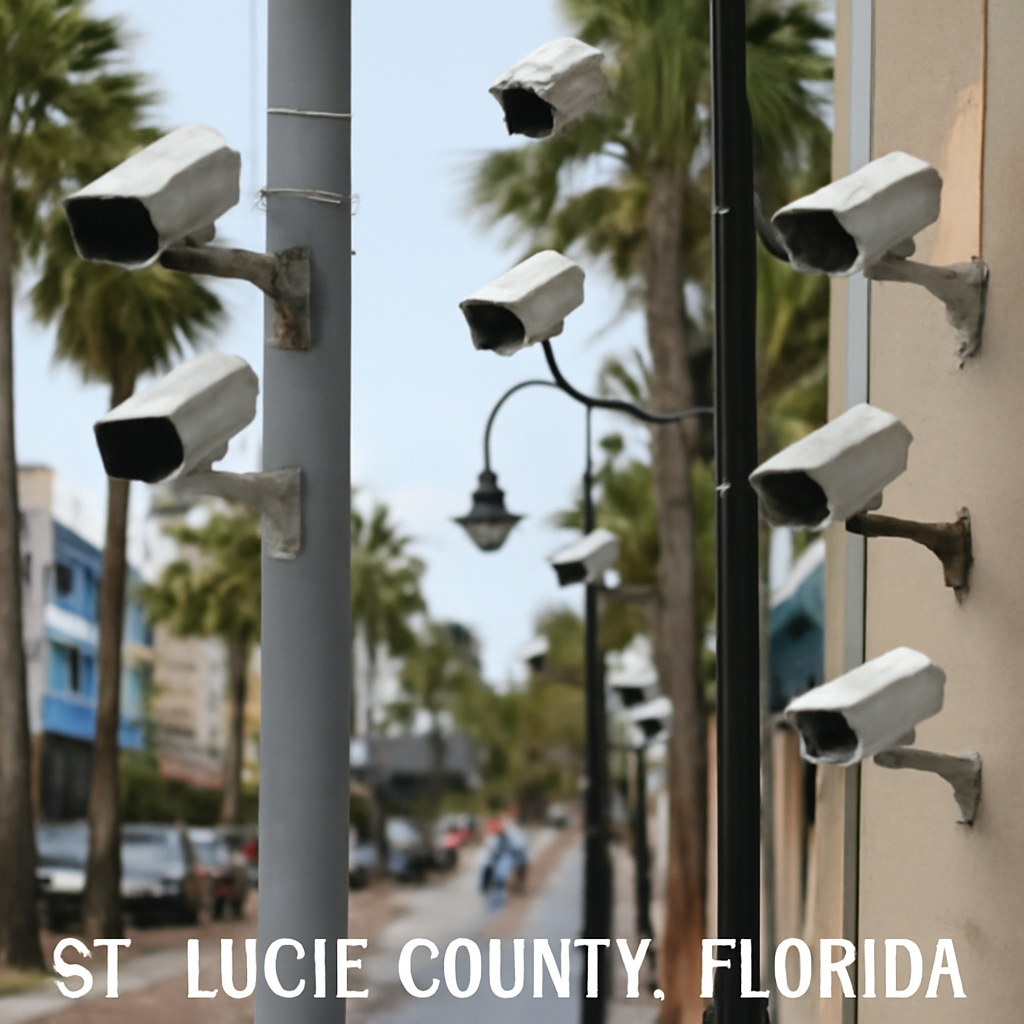
Florida Uncovers Rogue Flock Surveillance Cameras
In a bizarre discovery, St. Lucie County officials stumbled upon a dozen rogue surveillance cameras with no clear owner or permit - a concerning mystery in public spaces. The unknown cameras have raised questions about accountability and safety.
Flock Faces Backlash as Calls to Vandalize ALPRs Intensify
A wave of online fervor is urging people to take a stand against Flock's automated license plate readers (ALPRs), with over 36,500 social posts on X alone calling for a coordinated effort to disable the cameras. The movement, dubbed "De-Flock America," has sparked a trending campaign that's putting the company and its surveillance network under intense scrutiny.

Congressional Candidate Targets License Plate Cameras
Meet Adam Lee Heimerman, an independent congressional candidate with a bold - and potentially costly - stance against license plate cameras, who now faces four felony vandalism charges for allegedly destroying four automated license plate reader cameras in Tennessee. His campaign to represent the state's 2nd Congressional District just got a lot more complicated.
Vandalism Targets Flock Cameras, Backfires with Arrest
In a case of payback, a vandal who targeted Flock cameras in Monterey County has been arrested and will face the consequences, sending a strong message that damaging public safety equipment won't be tolerated. The suspect, 40-year-old Marcus Bee, caused thousands of dollars in damage before being taken into custody.
Axon Expands License Plate Surveillance Reach
Municipalities like Denver, Colorado, are taking a closer look at their license plate surveillance systems, making changes that have some questioning whether they're simply swapping one brand for another or making a meaningful shift. Denver is among the cities ditching Flock license-plate reader arrays, but is this a cosmetic change or a step towards reevaluating surveillance priorities?
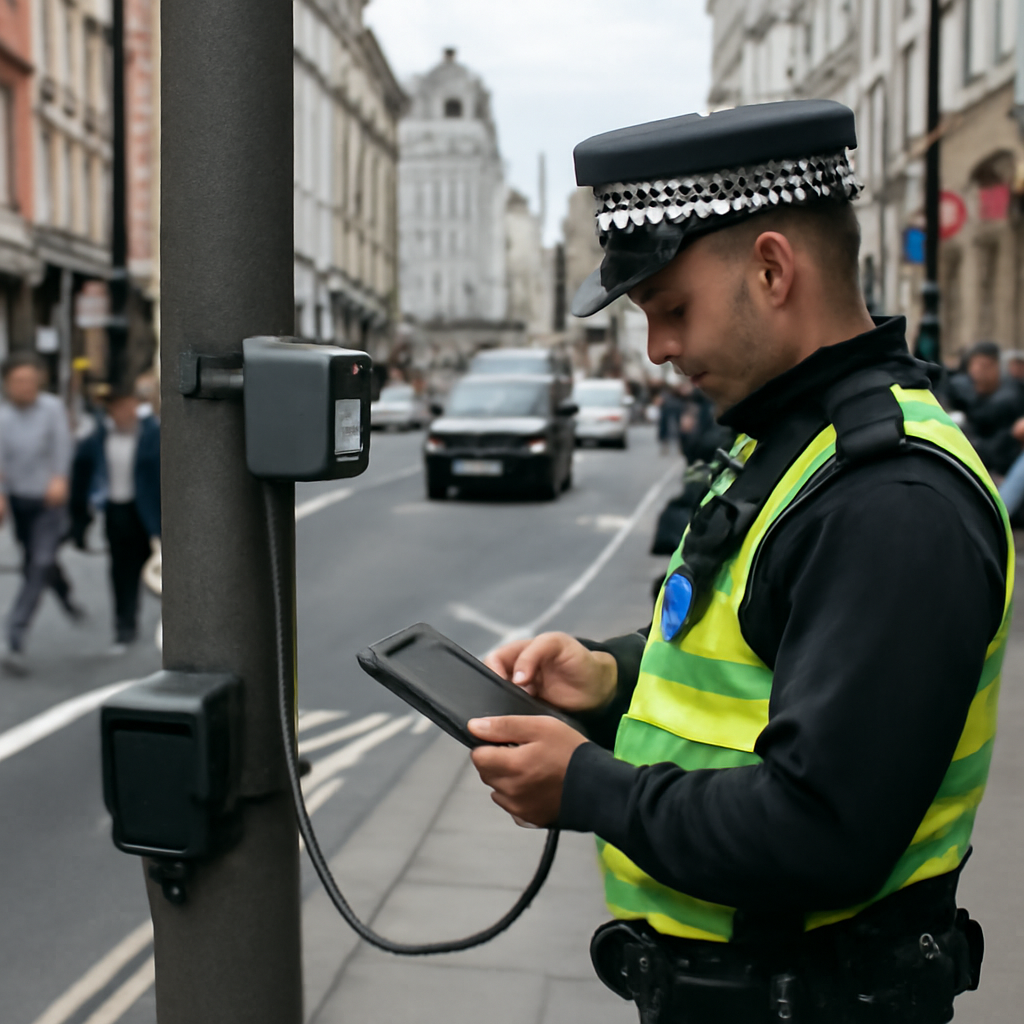
London Police Deploy Live Facial Recognition in West End
Get ready for a safer West End: by the end of the year, London's Metropolitan Police Service will be deploying live facial recognition cameras to help keep you protected. This game-changing tech will be used to identify individuals on the watchlist, building on a successful six-month pilot in Croydon.

China's Type 79 Submachine Gun Refuses to Fade
The Type 79 submachine gun, a relic of the past, refuses to fade from China's military scene, as recently featured in a CCTV public-safety PR video. Despite being due for retirement, this vintage gun remains a surprising presence.

CISA Warns of Iranian Cyber Actors Targeting US Infrastructure
The Cybersecurity and Infrastructure Security Agency (CISA) has sounded the alarm: Iranian-linked cyber actors are targeting US critical infrastructure, posing a threat to public safety, services, and commerce. American organizations must take immediate action to assess their risk and bolster defenses.

Cyber-Attack Exclusive: Severe OnSolve CodeRED Outage
Imagine the sirens going silent: when INC Ransom hit OnSolve’s CodeRED, communities missed vital alerts and scrambled to improvise slow, unreliable backups. The outage — and exposed user data — lays bare how dangerously dependent public safety has become on just a few commercial providers.

geostationary satellite communications: Shocking Risk
Point a few hundred dollars of consumer gear at the sky and you can snoop on vast swaths of unencrypted satellite traffic — from in‑flight Wi‑Fi and private calls to corporate and critical‑infrastructure links. It’s a wake‑up call: encrypt by default and update decades‑old satellite systems before curiosity becomes catastrophe.

social media surveillance: Stunningly Risky Threat
Think twice before posting: U.S. agencies increasingly use AI to scan social media and can turn a sarcastic tweet or protest photo into grounds for visa revocation. This shift from manual monitoring to opaque algorithmic decision-making warns that free expression, due process, and basic safeguards for noncitizens are suddenly at risk.

water utility attack: Exclusive Risky Honeypot Revelation
Security researchers watched a pro‑Russia hacktivist group walk straight into a lifelike water‑utility honeypot, giving defenders a rare, risk‑free look at their reconnaissance and tools. That intel shows how deception can turn attacker curiosity into actionable defenses—vital for protecting water systems that, if disrupted, could threaten public safety.

AI systems: Stunning Guide to Best Integration
AI’s next phase isn’t just smarter models — it’s about weaving technology, infrastructure, and people together so systems actually serve and protect communities; get that right and cities, health care, and emergency services improve, get it wrong and those same systems can deepen inequality and fragility.

MS-ISAC funding Critical Urgent Risk Alert
Federal cuts to MS‑ISAC funding threaten the vital threat‑sharing, monitoring, and incident response services small counties, schools, and utilities rely on — leaving local governments scrambling to fill dangerous gaps. Policymakers and partners must move quickly to preserve baseline protections or risk uneven, more vulnerable defenses.
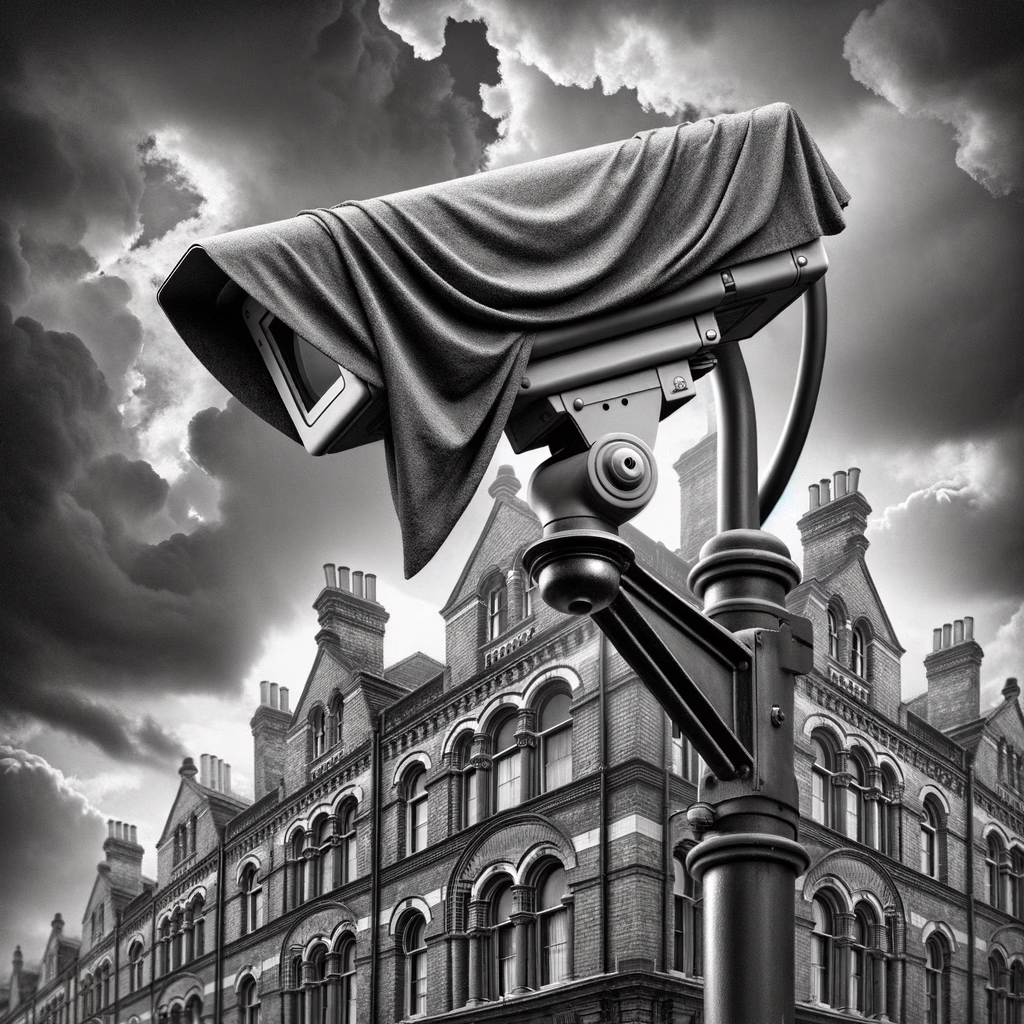
live facial recognition: Risky Must-Have for Safety
The government is encouraging police to try live facial recognition after the Met praised its Croydon deployment, but with courts and privacy watchdogs raising legal and bias concerns, ministers will publish guidance instead of forcing a nationwide roll‑out.

federal funding lifeline Stunning Cut Risks Security
As CISA ends funding to CIS on Oct. 1, thousands of towns and school districts risk losing free threat‑sharing, scanning and incident support — turning an IT funding cut into a public‑safety problem. Without a quick replacement, smaller jurisdictions face costly gaps, fragmented defenses and greater exposure to attackers probing for blind spots.

denial-of-service attacks: Stunning Risk Revealed in NYC
Days before the UN General Assembly, New York authorities seized sophisticated gear that could disable cell towers and trigger citywide outages. The high-profile bust is a wake-up call about how fragile our wireless networks are—and why cities must balance security, research freedom, and public safety.

surveillance and propaganda: Exclusive, Risky Systems
A cache of leaked documents peels back the Great Firewall to reveal a bustling industry of Chinese companies — not state bureaus — building surveillance, automated moderation, and influence tools in close partnership with universities and local governments. Those familiar Silicon Valley playbooks, applied with far less transparency, raise urgent questions about oversight, export risks, and everyday impacts on speech and civic life.

Law Enforcement Request System: Stunning Risky Breach
Google just revealed that criminals created a fraudulent account in its Law Enforcement Request System (LERS), exposing a worrying gap in the trusted channel police and courts use to obtain sensitive user data. The incident sparks a necessary push to tighten verification, protect investigations, and rebuild public confidence in the systems meant to keep us safe.

counter-unmanned aircraft capabilities: Must-Have, Best Tool
Could a $300 drone shut down a city? DHS is asking Congress for $100 million to field sensors, jammers and other tools to detect, track and stop hostile drones — a necessary but imperfect step to protect events, infrastructure and borders while balancing privacy and legal limits.

government email credentials: Exclusive Risky Threat
Imagine someone buying access to a government inbox for less than the price of dinner — and using it to intercept investigations, impersonate officials, or fuel disinformation. With law-enforcement emails reportedly selling for about $40 on underground markets, stronger credential hygiene, MFA, and coordinated policy action aren’t optional — they’re urgent.

Russian-linked cyber actors: Stunning Critical Threat
Allegations tying Moscow-linked hackers to a months-long breach of U.S. federal court files and a hacking attempt that manipulated a Norwegian dam’s controls have exposed just how fragile our courts and critical infrastructure can be. The incidents raise urgent questions about who’s really protecting the systems we rely on—and what must be fixed now.