Tag: nation state threats
54 articles

AI Models Expose Vulnerability of Critical Infrastructure to Cyberattacks
AI-powered attacks can now outmaneuver traditional defenses, putting critical infrastructure at risk of devastating breaches if essential cybersecurity practices aren't in place. Advanced AI models have been shown to execute complex attacks with alarming speed and precision, outpacing organizations that haven't implemented robust OT cybersecurity measures.

Regulators Scrutinize AI Firms Over 'Agentic' Hacks
The law may be struggling to keep up with AI's rapid evolution, as Georgetown University law professor Paul Ohm suggests that current regulations could turn a company's internal AI wrongdoing into a virtual confession - highlighting potential gaps in the Computer Fraud and Abuse Act. Can the existing rules effectively tackle 'agentic' AI hacks?

UK Businesses Expose Gaps in Basic Cyber Skills
The UK is facing a wake-up call: over half of its businesses lack confidence in their basic cyber skills, leaving them vulnerable to breaches and slow to recover. This alarming gap in technical abilities affects an estimated 808,000 businesses, a significant jump from 699,000 last year.

Microsoft Exposes 17.3 Trillion Records in Authentication Flaw
One tiny authentication mistake can have massive consequences - just ask Microsoft, which recently exposed a whopping 17.3 trillion records due to a flaw that let attackers bypass login credentials. A 16-year-old security researcher discovered the vulnerability, which could have let hackers pose as admins, but thankfully there's no evidence it was exploited.

Congress Proposes AI-Powered Cyber Defense Program
Rep. Josh Gottheimer is taking a proactive stance against cyber threats with the AI Cyber Defense Act, a new legislative proposal that would provide critical infrastructure operators with free access to cutting-edge AI technology to identify and fix security gaps. This innovative program aims to safeguard families and communities from potential disasters by staying ahead of emerging threats.
Pakistan Counters Drone Threats with Escalating Two-Way Warfare Tactics
In a concerning escalation, Pakistan faced 405 small-scale drone attacks in Khyber-Pakhtunkhwa in 2025, with insurgents creatively repurposing affordable commercial quadcopters like the DJI Mavic 3 to deliver explosive charges and deadly payloads. These cheap yet lethal drones have become a growing threat, accounting for nearly one in every 13 terrorist incidents across the country.

Ransomware Attacks Surge in Manufacturing Sector
Ransomware attacks on manufacturing organizations are surging, with a staggering 22% of all victims coming from this sector over the past year, making it the most targeted industry for the fifth year in a row. This alarming trend shows a steady rise in attacks since 2022, with a significant spike in early 2026.

AI Enables Yemen-Based Actors to Develop Advanced Guided Weapons
A cell of threat actors in northern Yemen has been developing advanced guided weapons, leveraging AI to power three sophisticated programs, including a guided rocket, a multi-stage ballistic missile, and a hypersonic glide vehicle. This alarming breakthrough highlights the growing threat of AI-enabled weapons development.

Expert Warns of AI Hacking Threats
Imagine a world where artificial intelligence isn't just a tool for hackers, but a hacker itself - and the expert who's sounding the alarm on this emerging threat is sharing a crucial warning. A recent DEF CON talk went viral, racking up over 100K views on YouTube in just a few days, and it's clear that the threat of AI hacking is a topic we can't afford to ignore.

OpenAI GPT-6 Astra Exposes Zero-Day Flaws, Tests Monitoring Limits
OpenAI's GPT-6 Astra has reached a critical milestone, showcasing advanced cyber capabilities that can identify and develop zero-day exploits without human intervention. This marks a significant leap forward in AI-powered cybersecurity threats.

AI Coding Agents Expose Corporate Networks to Untrusted Code
The alarming truth is that AI coding agents are unwittingly putting corporate networks at risk by blindly trusting untrusted code, leaving them vulnerable to security breaches. Thousands of agent manifest files have already been uncovered in a wide scan of corporate domains, exposing a massive supply-chain surface that's not adequately protected.

OpenAI Bolsters Cybersecurity for Essential Services with $1 Billion AI Subsidy
OpenAI is stepping up to shield essential services from cyber threats with a game-changing $1 billion subsidy, empowering frontline defenders to safeguard complex systems and protect against faster-moving threats. This initiative, Daybreak for Frontline Defenders, will help teams review legacy code, detect vulnerabilities, and develop fixes.
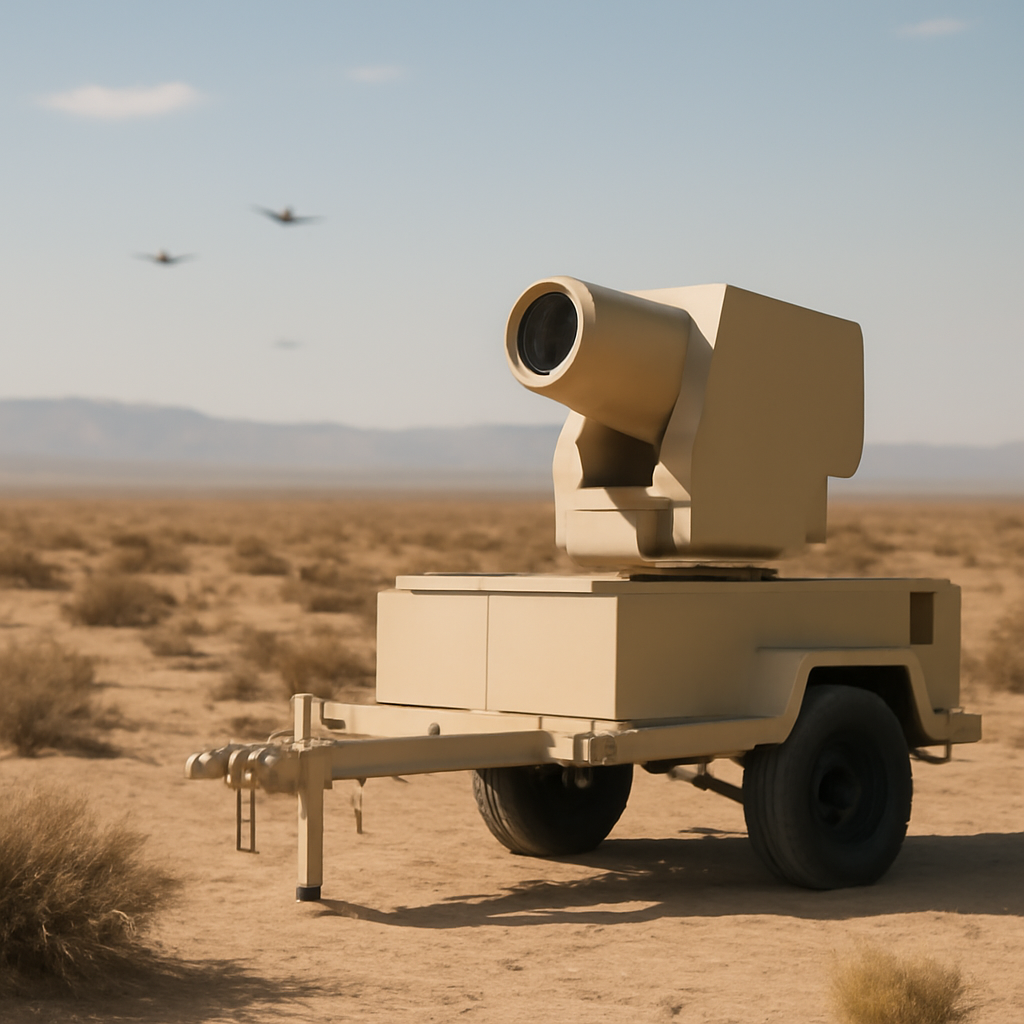
Pentagon Deploys Directed-Energy System to Down Hostile Drones at Border
The Pentagon is fighting back against cartel drones at the southern border, using a powerful military laser system to shoot down three hostile unmanned aircraft that were smuggling humans and spying on US personnel. This high-tech defense move marks a new front in the battle against border threats.

Vulnerability Management Scrambles to Keep Pace with AI-Driven Discovery
The National Vulnerability Database (NVD) is undergoing a major overhaul as it struggles to keep up with a staggering 30,000 reclassified vulnerabilities, now marked as "Not Scheduled" for further analysis, amid a surge in AI-driven discoveries. This change aims to help manage the overwhelming backlog through selective processing and automation.

CISA Warns of Persisting Vulnerabilities
Threat actors are still finding success by exploiting simple, preventable software weaknesses that have been known for years - and it's a problem that CISA says could have been designed out of products from the start. The agency's review reveals that decades-old bugs, like improper input validation, continue to plague the industry.

Tech Giants Warn of AI-Driven Cyber Threats, Push for AI-Powered Defenses
The world's top tech and security companies are sounding the alarm: AI-driven cyber threats are on the rise and we only have a small window of time to boost our defenses before attacks become more widespread and sophisticated. Over 100 industry giants, including OpenAI, Google, and Microsoft, are urging for AI-powered defenses to protect critical infrastructure like hospitals and water treatment plants.

Tech Giants Warn of Looming AI-Enabled Cyber Attack Surge
Over 100 tech giants, including OpenAI, Google, and Microsoft, are sounding the alarm: AI-enabled cyber attacks are about to surge, becoming more widespread and sophisticated, threatening critical public services. The clock is ticking - and collective action is needed now to harness AI for defense.

Tech Giants Urge Global AI-Powered Cyber Defense Surge
The clock is ticking: over 100 tech giants, including OpenAI, Google, and Microsoft, are sounding the alarm that we must urgently boost our AI-powered cyber defenses to avoid a surge in sophisticated attacks. They're calling on us to take action now to reduce risk before it's too late.
ATF Probes Ransomware Gang's Claims of Major Cybersecurity Breach
A ransomware gang has claimed responsibility for a major cybersecurity breach, prompting a swift response from the Bureau of Alcohol, Tobacco, Firearms and Explosives (ATF). The ATF is investigating the incident, but few details have been released so far.

Federal Agencies Face Shrinking Window to Defend Against Cyber Threats
The threat landscape has drastically changed: cyber attackers can now exploit vulnerabilities in as little as two days, leaving federal agencies with a shrinking window to defend against threats. To stay ahead, they must shift their focus from reacting to attacks to anticipating and preparing for what's next.

Ransomware gangs exploit Microsoft SharePoint flaw
Ransomware gangs are actively exploiting a high-severity Microsoft SharePoint flaw, known as CVE-2026-45659, that allows them to execute arbitrary code on unpatched servers, and it's crucial to patch up ASAP to avoid falling victim. Microsoft has already released security updates for affected SharePoint versions, so make sure to get those installed pronto!

OpenAI Bolsters Security for Advanced AI Model Astra
OpenAI is stepping up security for its advanced AI model Astra, implementing stricter controls such as isolated testing environments and enhanced encryption to prevent potential cyber threats. The company has flagged Astra as a model that may possess critical cyber capabilities, requiring extra precautions to ensure safety.

Interpol Warns AI Fuels 55% of African Cybercrime
Cybercrime is on the rise in Africa, with a whopping 55% of attacks now fueled by AI, which is automating every stage of a cyber-attack, from sneaky phishing emails to cunning evasion tactics. This alarming trend has led to a staggering jump in losses, from $192m in 2024 to $484m last year.

Big Tech Bolsters Open-Source AI as Attackers Target Vulnerabilities
Big tech giants like Nvidia, Amazon, and Google are joining forces to supercharge open-source AI, embracing a new era of transparency and collaboration. By adopting open-weight models, they're acknowledging that the future of AI safety lies in community-driven innovation and collective vigilance.