Tag: militaryaviation
6 articles

Zero-G HMDS+: Lightweight, Feature-Rich, Future-Proof
Meet the Zero‑G HMDS+ — a featherweight, modular helmet display that plants sensor feeds, targeting cues and battlespace data in a pilot’s natural view to speed decisions and cut head movement. Its promise of being “future‑proof” hinges on smart symbology, training and resilient integration, because more data isn’t better unless pilots can trust and use it when it matters.
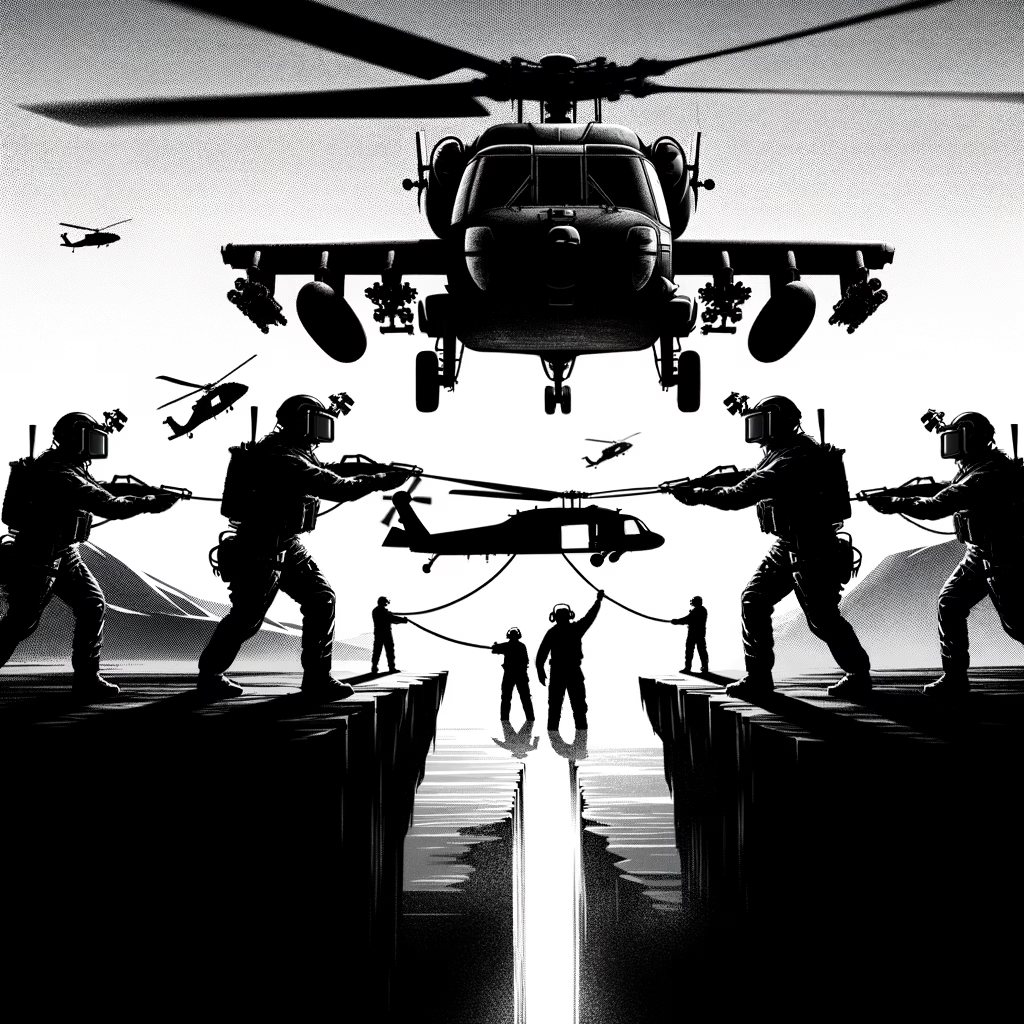
HMDs Close Rotary-Wing Pilot-Crew Awareness Gap
Imagine every crewmember seeing the same eyes‑out, real‑time picture—helmet‑mounted displays fuse sensors and shared symbology to collapse communication delays and turn split‑second threats into coordinated action.
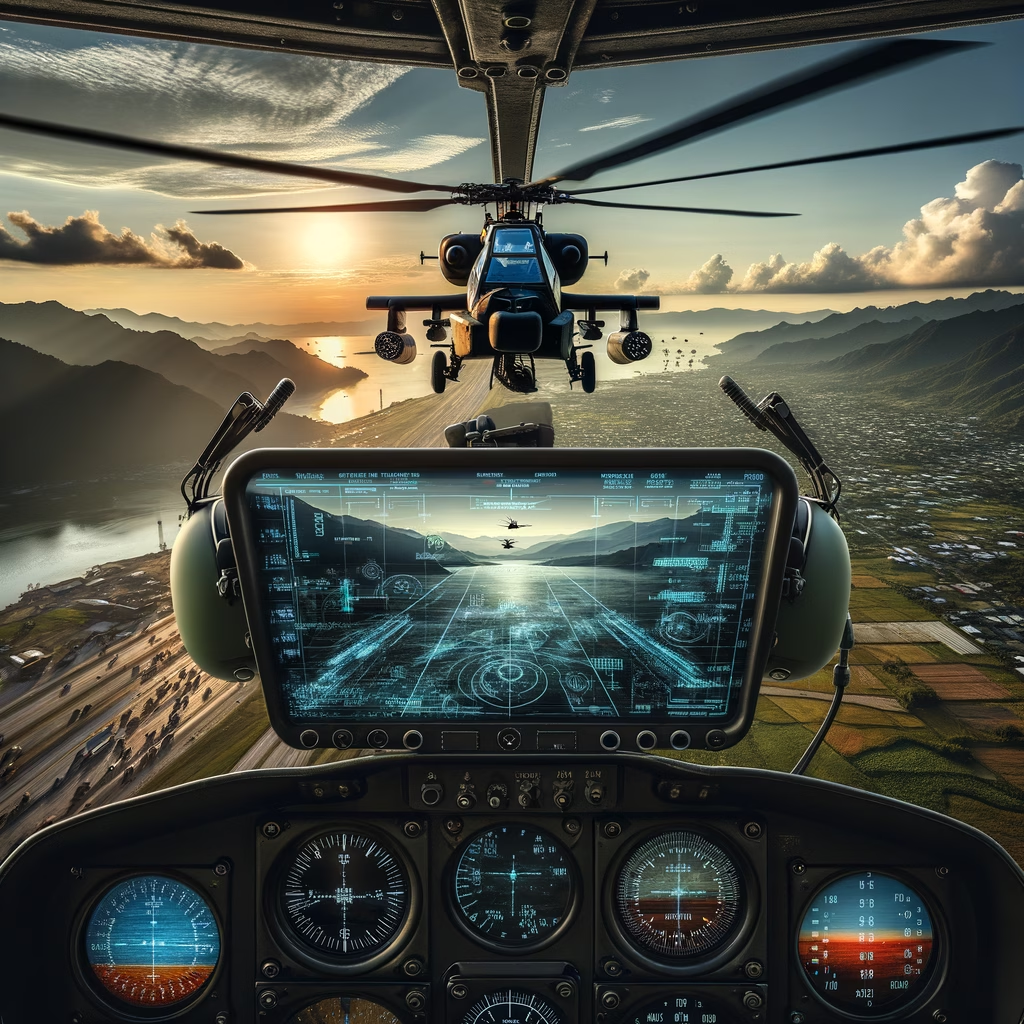
HMDs Close Rotary-Wing Situational Awareness Gap
When a helicopter pilot sees a threat but the crew doesn’t, head‑mounted displays (HMDs) are the game‑changer that puts the same real‑time battlefield picture into every crewmember’s eyes. By fusing sensors, stabilizing visuals, and trimming cockpit chatter, HMDs collapse delays and make rotary‑wing teams faster, safer, and far more effective in contested low‑altitude environments.

France Tests Next-Gen Missile for Combat Helicopters
France is testing a next-generation missile for combat helicopters — promising smarter targeting, longer range, and a big boost to pilot safety that could reshape battlefield airpower.

helmet-mounted displays: Exclusive, Best Tactical Edge
Helmet‑mounted displays are no longer niche pilot toys but powerful force multipliers that merge sensors, targeting, and comms into a pilot’s line of sight—while also creating new vulnerabilities to jamming, spoofing, and human error. Keeping the tactical edge means hardening systems, training for degraded conditions, and designing HMDs pilots can trust.

F-35 GPS denial: Must-Have Resilience Boost
Collins Aerospace’s delivery of the 1,000th anti‑jam GPS receiver for the F‑35 is a big, practical win in the race to keep pilots and weapons on target when satellites go silent. It’s a crucial step toward resilient navigation—but real safety will come from layered tech, training, and fast integration across the fleet.