Tag: identity verification
37 articles

Deepfakes Expose Vulnerabilities at 74% of Firms
Deepfakes are exploiting a major weakness in corporate security: our trust in familiar faces and voices. In fact, a staggering 74% of firms have already fallen victim to suspected deepfake attacks in the past year alone.

Network Security Integrates Mainstream
The network is the ultimate security game-changer, providing a rich source of intelligence and a strategic defense point where every user, device, and threat can be identified, verified, and contained. By leveraging its visibility and enforcement capabilities, the network can transform from passive plumbing to a proactive security powerhouse.
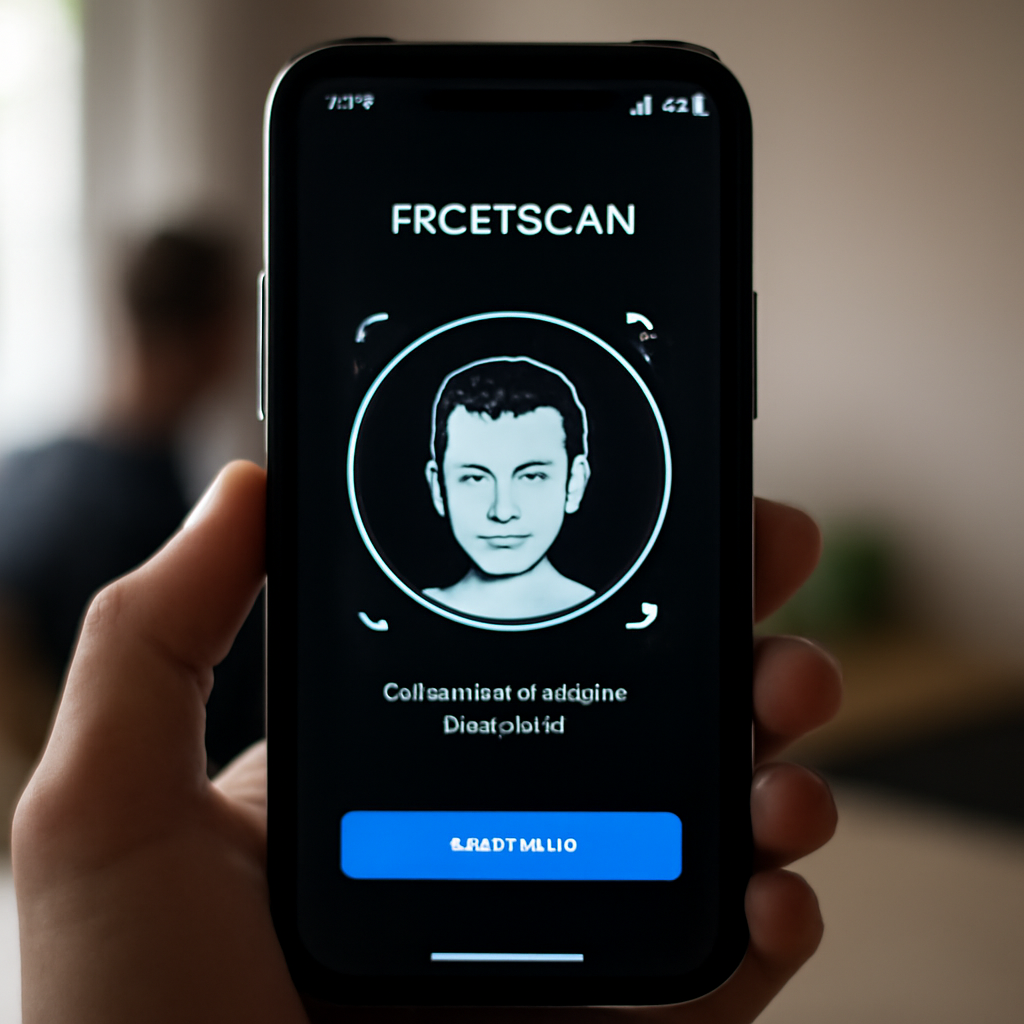
AI Actress Tilly Norwood Service Mandates Face Scan
Ever wondered what happens when AI meets reality? Tilly Norwood, the AI actress who's gone viral for her unexpected glitch, is now taking her interactions to the next level by requiring a face scan before chatting with fans.

IDScan Breach Exposes 153 Million Driver's Licenses
A massive data breach at IDScan has exposed a staggering 153 million driver's license scans, which were allegedly advertised for sale on a dark-web forum, compromising sensitive information on a huge scale. The identity verification firm has confirmed unauthorized access to its cloud platform and is working with specialists to investigate the incident.

Encryption App Targets Military with AI-Proof Verification
Meet Kibu, an encryption app designed with military-grade security in mind, solving a pressing problem for government execs who rely on personal devices for sensitive conversations. Its cutting-edge verification features combine biometric authentication with organizational identity controls to ensure you're talking to the right person - or entity.

Identity Verification Exploited in Onboarding, Recovery Processes
Cyber attackers are now exploiting weaknesses in identity verification processes, targeting the moments when identities are created or re-established, and using tactics like falsifying documents and stolen credentials to gain a foothold. This shift comes as defenders have made logins more secure, with stolen credentials involved in nearly 45% of breaches.

Facial Recognition Platform Exposes 9M Images
A staggering 9 million images, including facial photos of adults, teens, and kids, were left vulnerable in a publicly exposed database, revealing a massive security lapse by a facial recognition platform. The unprotected database contained 450 gigabytes of sensitive data, sparking serious concerns about identity verification and data security.

Deepfake Glitch Foils Suspected Digital Certificate Fraudster
In a clever sting operation, Spanish police caught a suspected digital certificate fraudster off guard when a technical glitch revealed his real face while trying to impersonate others using deepfake technology. The alleged scammer had planned to use the fraudulently obtained credentials for further cybercrimes.

Biometric Age Verification Shifts to On-Device Processing
With data breaches skyrocketing - a record 3,322 in the US last year alone - and over 30 age assurance laws now in force worldwide, the need for robust biometric age verification has never been more pressing. As governments crack down on underage access to social media, on-device processing is emerging as a crucial solution.

Account Takeover Attacks Target Verification Step as New Battleground
As more people and companies switch to passkeys, a new battleground emerges in the fight against account takeover attacks - the verification step. Attackers are now targeting these previously trusted processes, like account recovery and device re-enrollment, to gain control of accounts.

Massive Passport Leak Exposes Sensitive Traveler Data
A staggering leak of almost a million passport records from around the world has put sensitive traveler data at risk. The breach, linked to a low-security ID verification system for cannabis dispensaries, exposed passports as a vulnerable weak point in authentication processes.

UK Digital ID Project Assembles Advisory Board to Inform Policy
The UK government's digital ID project just got a watchdog boost with the formation of an advisory board tasked with keeping policymakers on their toes. This new board will challenge emerging ideas and policy decisions to ensure the digital ID system serves everyone.

Credential Theft Spurs Demand for Secure Identity Verification
Credential theft skyrocketed 160% in 2025, fueling a critical need for secure identity verification solutions that can outsmart AI-driven attacks. To stay ahead, robust multi-factor authentication is a must-have, combining unique factors like something you know, have, and are to fortify defenses.

Enterprises Face AI-Generated Fraud Onslaught
Fraudsters are unleashing an AI-powered assault on enterprises, with synthetic identities skyrocketing 100-fold and deepfake impersonations rising sevenfold in just two years. This alarming surge is catching businesses off guard, with nearly half reporting a significant increase in AI-driven fraud.

Digital KYC Push Stalls on Trust and Liability Concerns
KYC is more than just verifying identity - it's a crucial process that requires trust and accuracy to prevent financial crimes. Governments and banks are working together to modernize identity data collection and reuse, with countries like the UAE, Europe, and Singapore launching innovative projects to streamline compliance and strengthen anti-money laundering efforts.

Teens Exploit Age Checks with Simple Facial Manipulation Tactics
Kids are outsmarting age checks with a surprisingly simple trick: drawing on a fake mustache. This clever tactic allows them to bypass age verification systems with ease.

UK Bans Journalists from Digital ID Forum
The UK government is calling on ordinary citizens to share their thoughts on a proposed Digital ID system, and you don't need to be an expert to join the conversation. Around 36,000 people have been invited to participate in the People's Panel on Digital ID, which will involve in-person meetings and online sessions to discuss how a Digital ID system should be designed for the UK.

Fraud Prevention Evolves to Balance Security and User Experience
The age-old trade-off between security and user experience is no longer a given - in fact, it's possible to boost security without slowing down your customers. By combining identity, device, and network signals, businesses can effectively block fraud while providing a seamless experience for legitimate users.

Fraud Detection Shifts Toward Identity Intelligence
Fraud detection is evolving from simple verification to a more sophisticated approach: identity intelligence. This shift demands a new strategy to track down individuals who don't exist in the first place.

Identity Verification Shifts Under Regulatory Steady State
When regulations remain steady, but your identity landscape evolves rapidly, what gives? The real question is, how will your organization adapt to the shifting identity verification landscape while staying compliant with unchanged regulations?
UK to Spend £630K on Digital ID Public Consultation Panel
The UK government is investing £630,000 in a people's panel to gather public feedback on its proposed digital identity scheme, aiming to address concerns and build trust in the new system. But will this hefty price tag buy genuine public engagement or just political cover?

NIST Unveils Critical Identity Verification Standard for Federal Workers
The National Institute of Standards and Technology (NIST) has just unveiled a groundbreaking identity verification standard to safeguard the identities of federal workers and contractors, addressing the growing threat of identity theft and cybersecurity breaches. This critical new standard is a major step forward in protecting sensitive information and preventing unauthorized access.

AI Exclusive: Experts Warn of Risky ID Verification Gaps
Think your ID checks are safe? AI can now produce flawless emails, voices, and forged documents in minutes, outpacing verification systems — experts say its time to replace brittle human checks with cryptographic proof and provenance.

AI-driven social engineering: Must-Have Risk Fix
ISACA’s new survey sounds a wake-up call: only 1 in 10 cybersecurity pros feel “very prepared” as AI-powered social engineering tops the threat list for 2026, so organizations must sharpen playbooks, training, and verification now before attackers exploit the gap.