Tag: digital rights
57 articles

US Seeks to Empower Civilians Against Internet Repression
The internet can be a powerful tool for change, as seen in Iran where it fueled protests and helped civilians organize against the regime - which is why the US is working to empower people to fight back against internet repression. Tehran's 88-day blackout may have ended, but controls remain tight, with sophisticated tools used to suppress online freedom.

Australians Deserve More Algorithmic Choice
Australians should have the freedom to choose how they experience social media, not have it dictated by big tech - and a proposed digital duty of care aims to make that a reality. The government's "My Feed, My Way" approach could give users a meaningful alternative to opaque recommendation systems.

Brits Overwhelmingly Reject Government Access to Encrypted Messages
An overwhelming 93% of British adults believe they have a right to keep their online conversations private, with 89% agreeing that their personal messages should be off-limits without a court order.

TikTok Settles Child Privacy Suit for $400 Million
TikTok is paying a whopping $400 million to settle a lawsuit alleging it broke US child privacy laws, in a major win for American kids and parents. The deal, secured by the US Department of Justice, marks one of the largest recoveries ever under the Children's Online Privacy Protection Act.
Lawmakers Probe Federal Government's Hacking of Americans
Senators are demanding answers about the federal government's secretive hacking practices, and they're calling on the Government Accountability Office to shine a light on the scope, frequency, and safety measures behind these operations. They want to know how often and how extensively the government is using hacking and spyware to investigate Americans.
US Prosecutes Man for Using Phone Wipe Feature at Border
A man is facing prosecution for using his phone's wipe feature at the border, specifically with GrapheneOS, a custom Android operating system that prioritizes security. He provided border officials with a code that deliberately erased his phone's contents, sparking a criminal charge.
AI Surveillance Poses Profound Threat to Social Progress
Imagine a world where AI surveillance systems don't just watch, but also notice, record, and punish even the smallest infractions - essentially becoming automated enforcers that can fine you on the spot. China is already demonstrating the power and pitfalls of this technology, using it to publicly shame and penalize citizens who step out of line.

EU Parliament Paves Way for Chat Control Reintroduction
The EU Parliament's move to revive Chat Control, despite opposition from most MEPs, has sparked concerns about democracy and mass surveillance. This development has left many questioning the integrity of the process.

Senate Targets AI-Generated Deepfakes with NO FAKES Act
The NO FAKES Act is a crucial step towards shielding creators from the harmful spread of AI-generated deepfakes, granting them near-exclusive control over their digital likeness and allowing them to pass those rights down for at least 70 years after they're gone. This Senate-approved bill aims to put a national standard in place to protect individuals from unauthorized digital replicas.

UK Plans Facial Scans, ID Checks for Social Media Users
The UK government plans to revolutionize online safety by introducing facial scans and ID checks for social media users, starting with a ban on social media for under-16s. This move aims to give kids their childhood back and protect them from the potential harms of online platforms.

China's Influence Silences Dissent in Zambia
In Zambia, a stark reality has emerged: China's growing influence is stifling dissenting voices, with critics like Michael Sata labeling the Chinese presence as parasitic rather than beneficial. The recent postponement of RightsCon, a human rights summit, has starkly illustrated this chilling effect.

Mozilla Warns UK Against Breaking VPNs
Mozilla warns the UK that cracking down on VPNs won't solve the country's age-check conundrum, as these essential security tools are not a teenage loophole, but a vital part of online protection. By breaking VPNs, the UK risks undermining online security for all users.

Zero-Knowledge Proofs Evolve to Bypass Age-Verification Checks
As the digital landscape continues to shift, it's only a matter of time before you'll have to face the music - and the cameras - when it comes to age verification checks. But what's really behind these on-camera checks: protecting kids or creating a way for governments to control access to online platforms?

UK Age-Gating Plans Threaten Internet Openness, Privacy Groups Warn
Privacy groups, including EFF and Mozilla, are warning that UK age-gating plans could threaten the openness and freedom of the internet, stifling opportunities for individuals, businesses, and society as a whole. The proposed measures have sparked a joint public pushback from leading advocates for civil liberties and online rights.

Germany Revives ISP Data Retention Mandate Amid Privacy Concerns
Germany's government is pushing for a new law that would require internet service providers to store customer connection data for three months to help combat online crimes, sparking concerns about privacy. The proposed mandate, justified as a way to keep the digital space safe from criminals, has been approved by the national cabinet and now awaits parliamentary approval.

Proton CEO Warns Age Checks Threaten Online Anonymity
Proton CEO Andy Yen warns that mandatory online age checks could spell the end of anonymity, forcing every adult to surrender their ID just to access the internet. He argues that efforts to protect minors will inevitably sweep in adults, creating an ID checkpoint that threatens online freedom.

Supreme Court Weighs Limits on Geofence Warrants
The Supreme Court is set to tackle a pressing question: do geofence warrants, a relatively new law enforcement tool, overstep constitutional boundaries? This high-stakes case, Chatrie v. The United States, could have far-reaching implications for digital privacy and police power.

Speaker Schedule Reveals Upcoming Cybersecurity Engagements
Get ready to dive into the hottest conversations on cybersecurity, AI, and digital rights! Check out the latest speaker schedule, featuring a whirlwind tour of conferences in North America, Europe, and Africa, as well as a virtual stop, to stay ahead of the curve.
Webloc Surveillance Tool Exposes Global Device Tracking by Law Enforcement
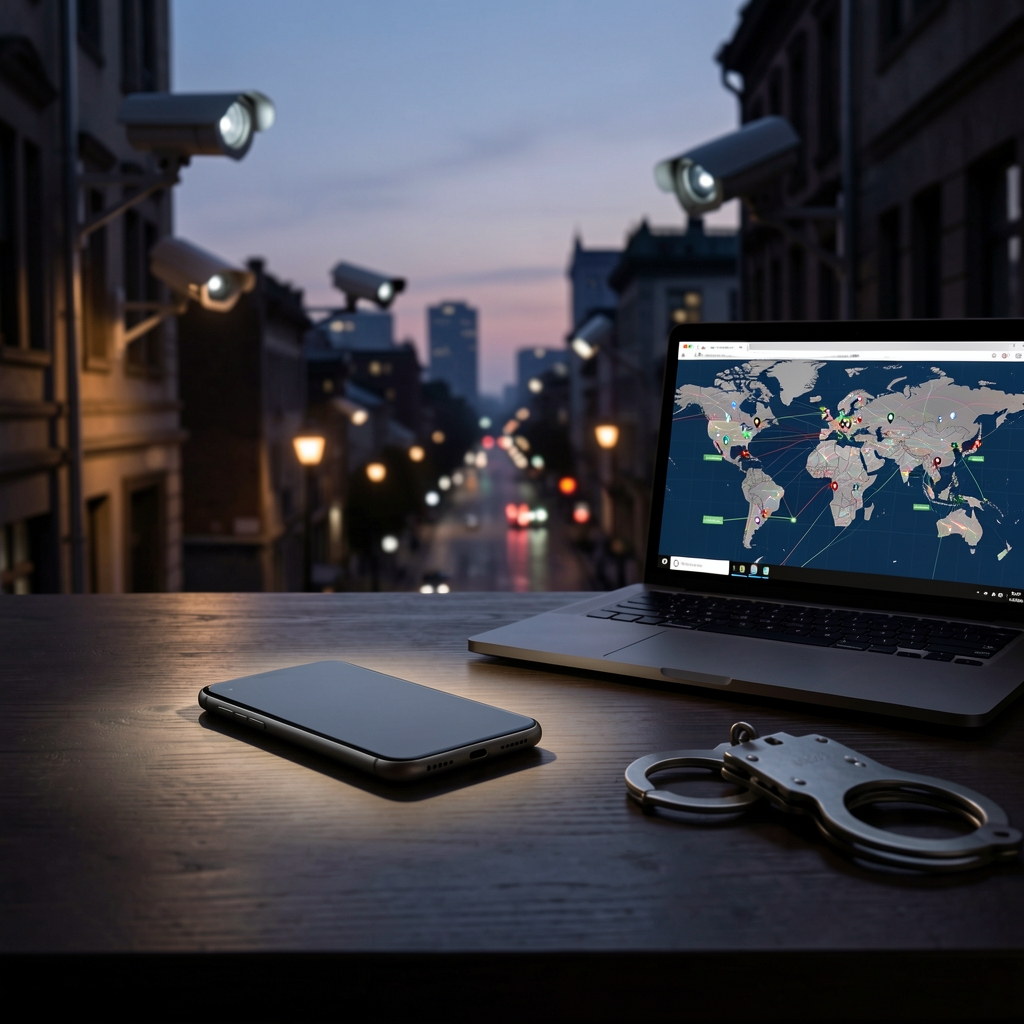
Discover the shocking truth about Webloc, a powerful surveillance tool that's been used by law enforcement agencies to track hundreds of millions of devices worldwide, raising serious questions about the intersection of advertising and policing. Developed by an Israeli company, Webloc uses ad-driven geolocation to monitor device activity, leaving us to wonder: who sets the limits on this kind of tracking?

Proton Mail Faces Alarming Data Leak to Authorities
Proton Mail, a popular encrypted email service, has faced a concerning data leak to authorities, raising questions about the balance between user privacy and cooperation with law enforcement. This recent revelation has sparked debate about the feasibility of upholding the fundamental human right to privacy in the digital age.

Meta Ends Instagram E2EE Support May 2026 Exclusive Warning
Meta will end support for end-to-end encryption on Instagram chats after May 8, 2026—affected users will be shown how to download any messages or media they want to keep, so save anything important now. This surprising reversal flips a long-standing privacy promise and raises big questions about who can access your conversations.
Banning VPNs: Exclusive Report on Severe Risks
Curbing access to virtual private networks in the name of “protecting kids” sounds simple — until you remember VPNs are vital privacy and safety tools for everyday users, journalists, and activists. Bans could cripple those protections, introduce new security and consumer risks, and chill speech well beyond their intended reach.

foreign interference: Exclusive Risky Teen Scandal
When Dutch authorities arrested several teenagers allegedly linked to foreign interference, it exposed a modern dilemma: how do we protect democracy from digital meddling without criminalizing curious, tech‑savvy kids?

kids social media ban: Exclusive Risky Rules Revealed
Australia has handed Big Tech a thorny challenge: prove users are 16+ using layered age checks without turning signups into surveillance. Expect a scramble of tech experiments, policy fights and messy trade‑offs as platforms race to balance child safety, privacy and practicality before the December 10 deadline.