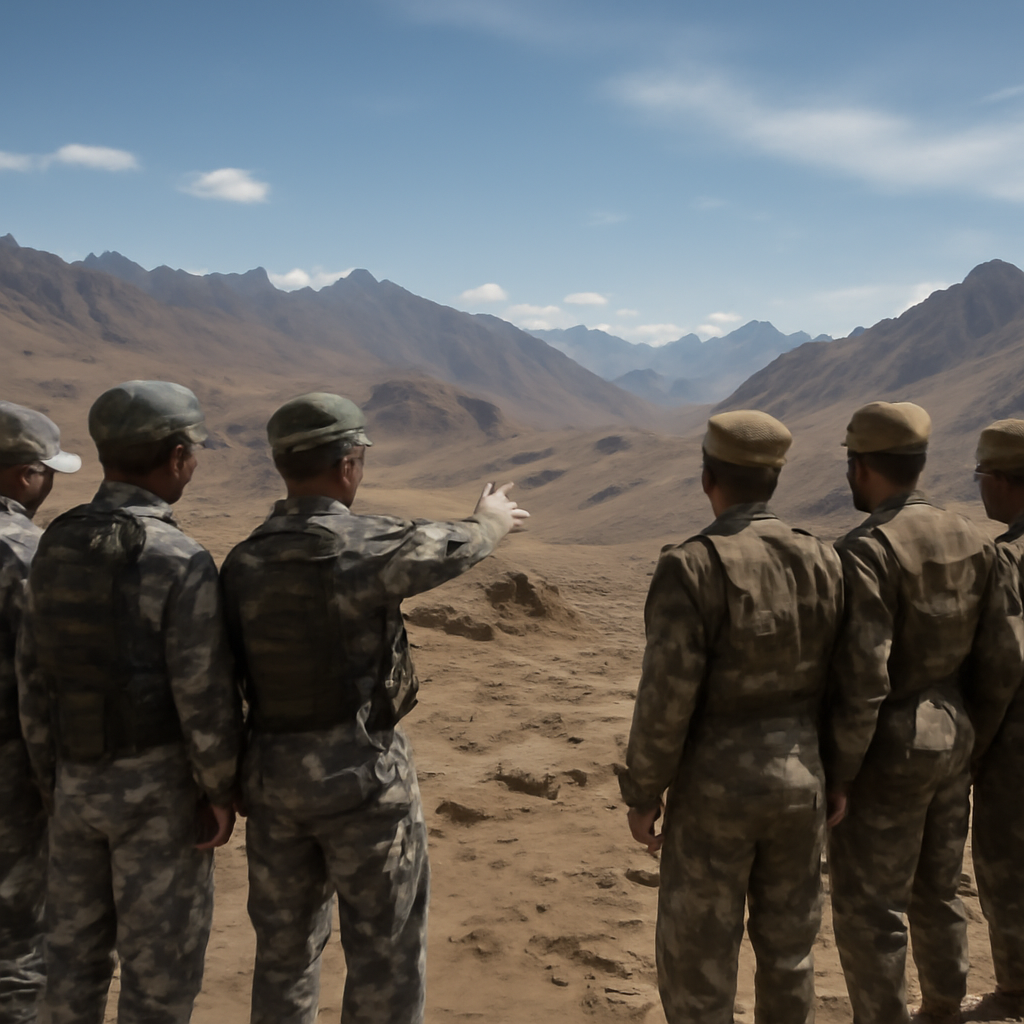
Strategic Intelligence Collaboration Among China, Russia, Iran, and North Korea
Introduction
The geopolitical landscape has been shifting dramatically in recent years, prompting nations to reassess their alliances and strategies. Among these nations, China, Russia, Iran, and North Korea have historically cooperated on military and intelligence matters to varying degrees. However, cultural, linguistic, political, and technological differences have often hindered deeper collaboration. Recent developments suggest that these nations may be moving toward a more formalized intelligence-sharing partnership, potentially forming a “Four Eyes” alliance. This report analyzes the implications of such a collaboration across security, economic, military, diplomatic, and technological domains.
Historical Context of Cooperation
Historically, the collaboration among China, Russia, Iran, and North Korea has been characterized by a mix of strategic interests and mutual adversaries. For instance:
- Cold War Alliances: During the Cold War, these nations often found common ground against Western powers, particularly the United States. Their cooperation was primarily military and ideological.
- Post-Cold War Dynamics: The dissolution of the Soviet Union led to a reconfiguration of alliances. While Russia sought to integrate into the global economy, China emerged as a significant player, leading to a complex relationship that included both competition and cooperation.
- Recent Developments: In the last decade, the rise of anti-Western sentiment and the imposition of economic sanctions have rekindled their interest in collaboration, particularly in military and cyber domains.
Security Implications
The potential formation of a “Four Eyes” alliance raises significant security concerns:
- Enhanced Intelligence Sharing: A formalized partnership could lead to improved intelligence sharing on military capabilities, cyber threats, and counter-terrorism efforts, increasing the collective security of these nations.
- Cybersecurity Threats: The collaboration could result in more sophisticated cyber operations against common adversaries, including the United States and its allies. This could manifest in coordinated cyberattacks or the sharing of hacking tools and techniques.
- Proxy Conflicts: The alliance may support proxy conflicts in regions like the Middle East and Eastern Europe, where their interests align against Western influence.
Economic Factors
The economic motivations behind this collaboration are equally significant:
- Resisting Sanctions: By collaborating, these nations can develop strategies to circumvent economic sanctions imposed by Western countries, enhancing their economic resilience.
- Trade Agreements: Increased cooperation may lead to new trade agreements that bolster their economies, particularly in energy and technology sectors.
- Resource Sharing: Joint ventures in resource extraction and technology development could provide mutual benefits, particularly for nations like Iran and North Korea, which face significant economic challenges.
Military Considerations
The military implications of a closer alliance are profound:
- Joint Military Exercises: Increased military cooperation could lead to joint exercises, enhancing interoperability among their armed forces.
- Arms Development: Collaborative efforts in arms development could lead to the creation of advanced military technologies, potentially altering the balance of power in various regions.
- Strategic Deterrence: A united front could serve as a deterrent against perceived threats from Western nations, particularly the U.S. and NATO.
Diplomatic Dynamics
The diplomatic landscape would also be affected by this potential alliance:
- Unified Stance Against the West: A formalized partnership could lead to a more unified diplomatic approach to international issues, particularly in the United Nations and other multilateral forums.
- Regional Influence: The alliance could enhance their influence in regions like the Middle East and Asia, where they can counterbalance U.S. presence and alliances.
- Challenges to Global Norms: This collaboration may challenge existing global norms and institutions, particularly those established by Western powers.
Technological Factors
Technological collaboration among these nations could have far-reaching implications:
- Cyber Capabilities: Sharing cyber capabilities and intelligence could lead to more sophisticated cyber operations, increasing the threat landscape for adversaries.
- Joint Research Initiatives: Collaborative research in areas such as artificial intelligence, quantum computing, and military technology could yield significant advancements.
- Supply Chain Resilience: By working together, these nations could create more resilient supply chains for critical technologies, reducing dependence on Western technologies.
Conclusion
The potential for a formalized intelligence-sharing partnership among China, Russia, Iran, and North Korea represents a significant shift in the geopolitical landscape. While historical precedents show a pattern of cooperation, the current geopolitical dynamics may drive these nations toward deeper collaboration. The implications of such an alliance are multifaceted, affecting security, economic stability, military capabilities, diplomatic relations, and technological advancements. As these nations navigate their relationships, the international community must remain vigilant to understand and respond to the evolving threats and challenges posed by this potential alliance.