“At the moment it is navigating towards the next destination and the crew is safe, but it is a reminder to flag States, shipowners and vessel operators to remain alert and use the Best Management Practices to combat these incidents,” said Arsenio Dominguez, Secretary‑General of the U.N.’s International Maritime Organization, after reporting a recent attack on a Palau‑flagged bulk carrier in the Red Sea.
Recent incidents: vessels attacked, crews held
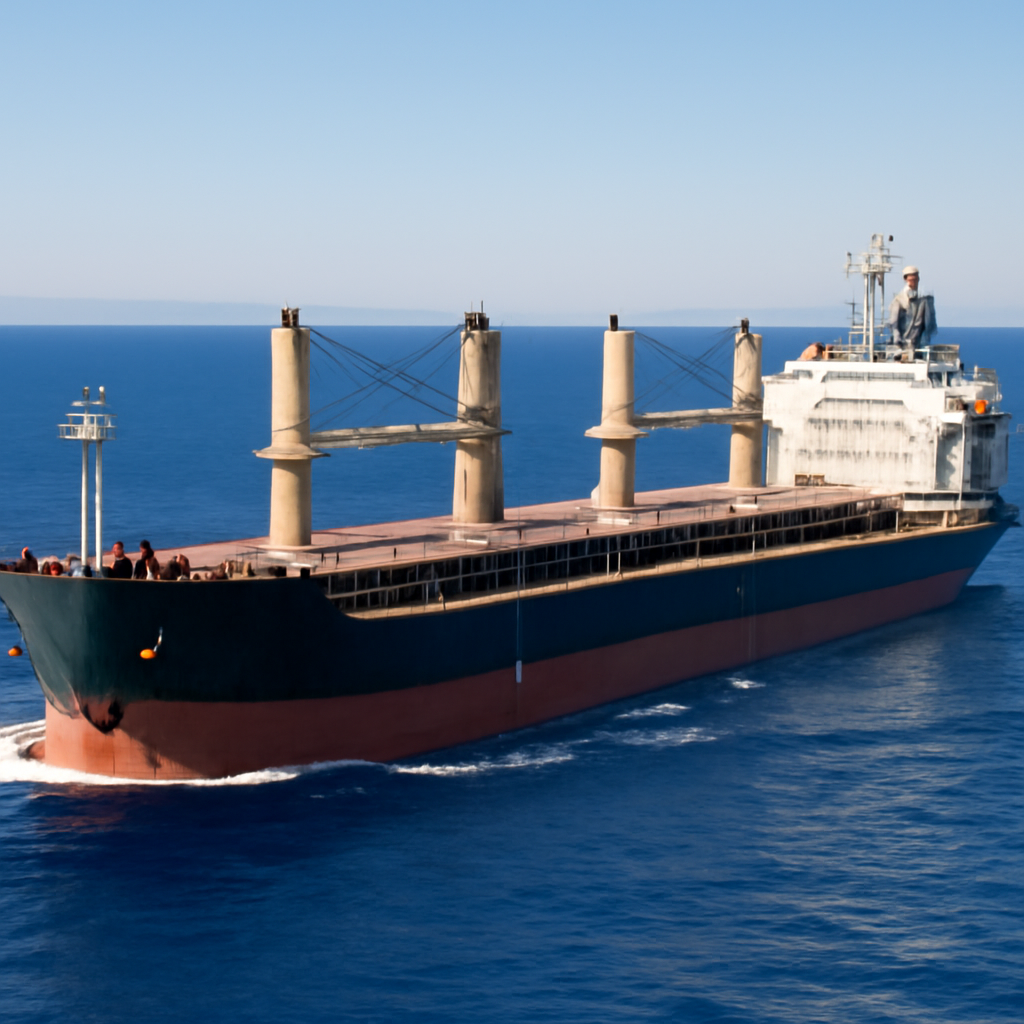
Somali pirate attacks in the Gulf of Aden and southern Red Sea have risen sharply in recent weeks. The IMO reported a Palau‑flagged bulk carrier, Lady Naeima, was attacked in the Red Sea and is now proceeding toward its next destination with crew reported safe. The Indian Navy reported an attempted attack on July 2 against the St. Vincent and the Grenadines‑flagged bulk carrier MV Golden Arsenal, en route from Aden with 21 crew, occurring roughly 300 nautical miles east‑northeast of Djibouti.
The IMO also warned that 44 seafarers continue to be held captive aboard three vessels — MT Honour 25, Eureka and Sward — hijacked in separate incidents between April and May off Somalia and in the Gulf of Aden. The crews are described as “running critically low on food and water while living under the constant threat of violence.”
Escalation metrics and advisory actions
The IMO told delegates that it has recorded 24 attempted and actual incidents of piracy and armed robbery in the region over the past three months, involving “increasingly dangerous weapons and escalating violence against innocent seafarers.” The Joint Maritime Information Center (JMIC) raised the threat level to SUBSTANTIAL after seven piracy‑related events since June 11, warning that Pirate Action Groups (PAGs) are a strong possibility in coastal approaches, transit corridors, and small‑craft operating areas.
Historical figures cited in reporting show patterns of ebb and flow: World Bank estimates placed pirate group earnings between $339 million and $413 million from 2005–2012; the European Naval Force Somalia Operation Atalanta recorded 26 pirate attacks between 2013 and 2019 and no attacks from 2020–2022; piracy resumed with six attacks in 2023 and surged to 22 in 2024.

This site is the portfolio.
OSINTSights runs on Cloudflare Workers, D1, R2, and Vectorize, with an AI pipeline on Hetzner ARM. Nubivance designed, built, and operates it. We do the same for clients.
See what we buildMultinational naval posture: Atalanta, Aspides and others
European and regional naval operations are tracking the uptick. A spokesperson for Operation Atalanta said recent months show “a peak in the piracy events in the area,” attributing drivers to recurrent conditions like weather and local socioeconomic difficulty as well as “current instability in the area.” Atalanta noted “indirect influences” from the Strait of Hormuz situation — an increase in maritime insecurity that can create a window of opportunity for pirates and limit access to some nearby ports.
Operation Aspides, the European‑led task force protecting Red Sea commercial shipping, told reporters it is prepared to act should the Houthis resume attacks: “Until now, the Houthis have not initiated any attacks against the shipping industry (No attacks on MVs since September 2025).” Aspides warned the Bab el‑Mandeb remains “fragile and highly sensitive to regional escalation” and that the Houthis “pose a threat and are capable of rapidly escalating.”
Allegations of Houthi assistance and regional linkages
The American Security Project (ASP) and reporting from AFRICOM’s Africa Defense Forum assert growing links between Somali pirates and regional non‑state actors. ASP suggested the Houthi rebels of Yemen have provided indirect strategic advantages by enabling maritime insecurity off Somalia without directly engaging in the Bab al‑Mandeb. ASP cited a 2025 U.N. report that, it said, indicated Houthis brokered arms transfers to al‑Shabaab in exchange for increased piracy, and that Houthis may have supplied Somali pirates with advanced GPS tracking devices. AFRICOM’s forum reported Puntland authorities warn of collaborations between pirate groups and the Iran‑backed Houthis, including access to more sophisticated weaponry and technology.
How Operation Atalanta, Maersk, and seafarers are responding
- Operation Atalanta and Aspides: maintain frequent presence at sea, monitor movements, and adjust operations when necessary; Atalanta highlighted indirect regional factors that may enable pirate activity.
- Maersk (shipping line): has resumed Red Sea transits that were paused during earlier Houthi attacks, announcing a service return to the Suez/Red Sea route after months of diversions and “one‑offs.”
- Seafarers and detained crews: IMO appealed for the “safe release of 44 seafarers” and warned crews aboard hijacked vessels face critical shortages of food and water and ongoing threats of violence.
The uptick in Somali piracy is arriving amid broader regional turbulence — a fragile ceasefire since April 8, renewed activity in the Strait of Hormuz, and naval deployments that have at times struck targets in response to attacks on commercial shipping. For shipowners, task forces and the crews at sea the immediate calculus is operational: sustain vigilance, maintain convoy and escort postures where feasible, and press for the humanitarian release of the detained seafarers. For the international community the pressing questions remain concrete and proximate: who is materially enabling the resurgence of piracy, how resilient are naval protections in the face of simultaneous regional crises, and how quickly can the 44 seafarers be returned to safety?