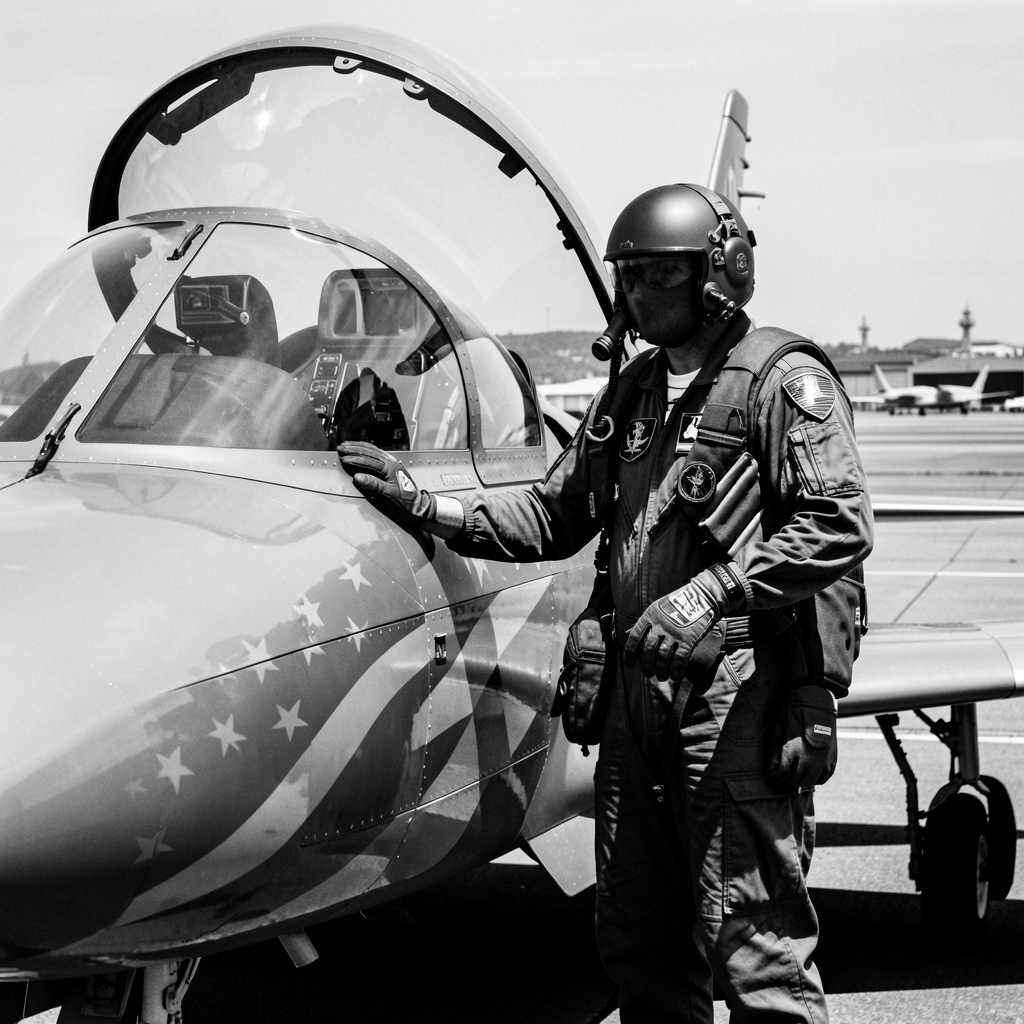
"No-compromise." Those two words, used by Sierra Nevada Corporation in public materials, frame a familiar dilemma for military planners: can a clean-sheet trainer deliver the performance needed for modern naval aviation while also cutting the bill for training? SNC has presented a new Freedom Trainer as exactly that — a “no-compromise” offering aimed at saving significant money for U.S. Navy aviator training, according to a sponsored post published on The War Zone.
What SNC announced
The company described the Freedom Trainer as a clean-sheet design offered to the U.S. Navy. The announcement, carried as branded content on The War Zone, says the trainer is intended to be a “no-compromise” solution and that its purpose is to reduce the cost of training naval aviators. Beyond that high-level framing, the public material focuses on the program’s twin objectives: capability and cost savings.
Why this matters to the Navy and its stakeholders
Training is a central element of force readiness and of the defense budget. An offering that promises both uncompromised performance and notable savings speaks directly to competing priorities that acquisition officials, budgeters, and operators juggle. If a new trainer can genuinely lower the per-pilot cost while preparing aviators to meet mission demands, it could influence procurement choices and shape how training pipelines are organized.

This site is the portfolio.
OSINTSights runs on Cloudflare Workers, D1, R2, and Vectorize, with an AI pipeline on Hetzner ARM. Nubivance designed, built, and operates it. We do the same for clients.
See what we buildPerspectives and trade-offs
- Technologists: A clean-sheet design suggests the opportunity to integrate modern avionics, simulation, and systems architectures from the ground up. That can enable new training modalities and tighter fidelity between trainer and operational platforms — if the engineering delivers on promise.
- Policymakers and acquisition officials: Cost-savings claims invite scrutiny. Officials will weigh lifecycle costs, sustainment, interoperability with existing infrastructure, and transition risks. A “no-compromise” pitch raises the bar for demonstration and testing before widescale adoption.
- Users — instructors and trainee aviators: Operational utility depends on the trainer’s realism, maintainability, and how smoothly it fits into current curricula. Trainers that reduce cost but require extensive changes to syllabus, simulators, or basing could face resistance from the flying community.
- Adversaries: From a strategic perspective, investments that accelerate and economize pilot throughput could alter force generation over time. Any change that materially affects the speed and effectiveness of training will be of interest to competitors, though the public announcement itself offers only limited technical detail.
What to watch next
The announcement as presented in The War Zone is a high-level introduction rather than a full technical or contractual disclosure. Critical next steps that will determine whether SNC’s Freedom Trainer moves from proposal to program include independent demonstrations, cost and performance verification, and how the offering aligns with the Navy’s stated training requirements. Absent those outcomes, the claim of a “no-compromise” solution remains an assertion to be tested.
Will a clean-sheet trainer really lower costs without trading away capability? SNC has framed the Freedom Trainer as that answer — but the proof will be in testing, evaluation, and the choices the U.S. Navy makes when it weighs cost against operational readiness.
Original story: https://www.twz.com/sponsored-content/snc-gives-details-of-its-clean-sheet-freedom-trainer-offering-to-the-u-s-navy