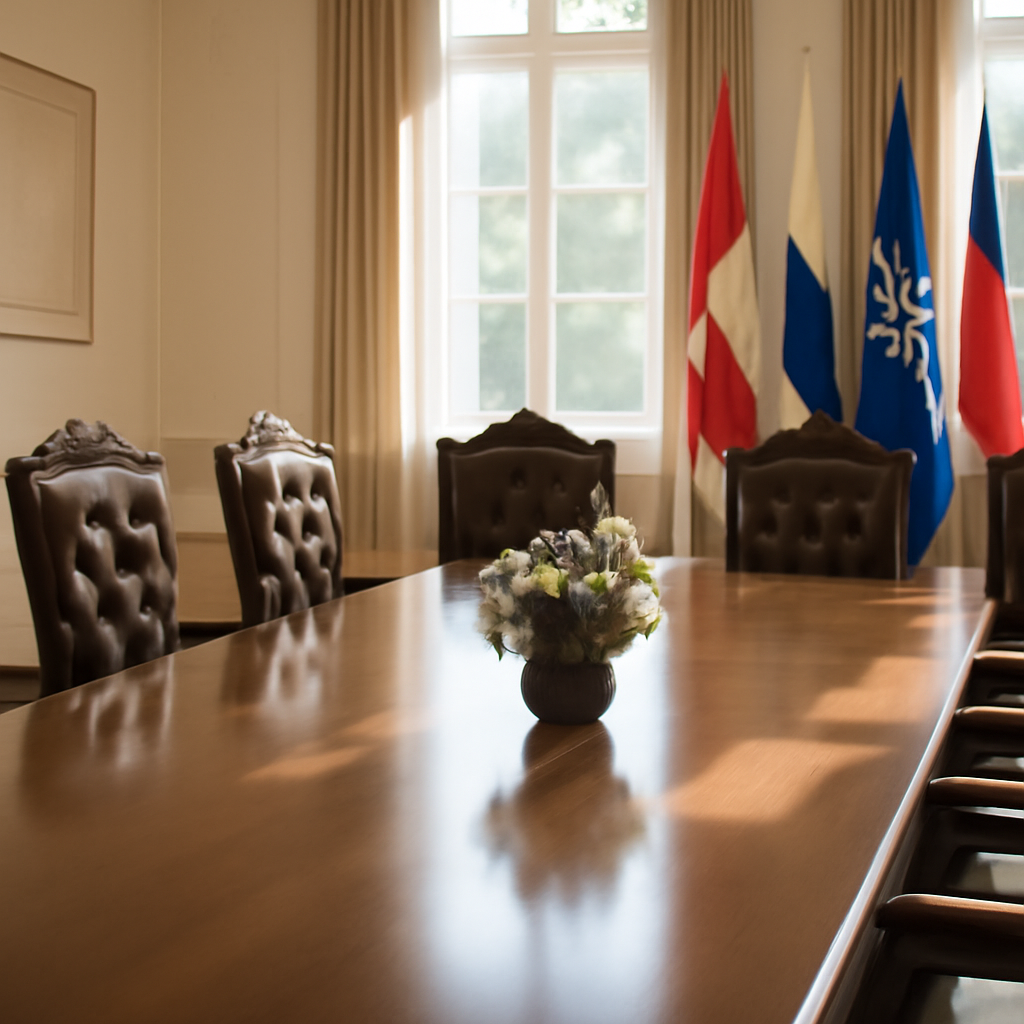
"An armed attack against 'any one of the three states shall be regarded as an attack against them all,'" the Mecca Joint Deterrence Agreement declares — a short sentence with broad implications signed on August 7 by Saudi Crown Prince and Prime Minister Mohammed bin Salman, Turkish President Recep Tayyip Erdogan, and Pakistani Prime Minister Shehbaz Sharif.
The pact: language, partners, and immediate claims
The Mecca Joint Deterrence Agreement, concluded in Mecca on August 7, expands the bilateral Strategic Mutual Defense Agreement (SMDA) between Riyadh and Islamabad, signed in September 2025, to include Turkiye. The joint statement frames the pact as rooted in "brotherhood and Islamic solidarity," advancing "shared" strategic interests and a "shared commitment" to strengthen "collective security" and to promote "peace, security, and stability in the region and beyond." Turkish Foreign Minister Hakan Fidan said more countries could join — potentially Egypt — though Cairo has not responded and, according to reports, Saudi Arabia has opposed Egyptian inclusion because of President Abdel Fattah al-Sisi's growing proximity with the United Arab Emirates.
Regional drivers: diversifying security and declining reliance on the U.S.
The agreement is presented by its signatories as a hedge against changing security dynamics in West Asia. The joint statement and subsequent analysis in the source material argue that several regional capitals have reduced confidence in the U.S. as the guarantor of their security. The source notes that countries which once relied on U.S. bases and protection now view hosting American forces as a liability that can increase vulnerability to attack. Kuwait's reported negotiations for an expanded defense agreement with Pakistan — trading deployment of troops and equipment for investments — is cited as reinforcing this trend.

Audit-ready is a season. It shouldn't be.
Evidence in spreadsheets, controls drifting between audits, frameworks multiplying on flat headcount. Nubivance runs continuous compliance on Rapid7 Cyber GRC - SOC 2, HIPAA, ISO 27001, PCI, CMMC.
End the scramblePakistan's role, past precedents, and the nuclear question
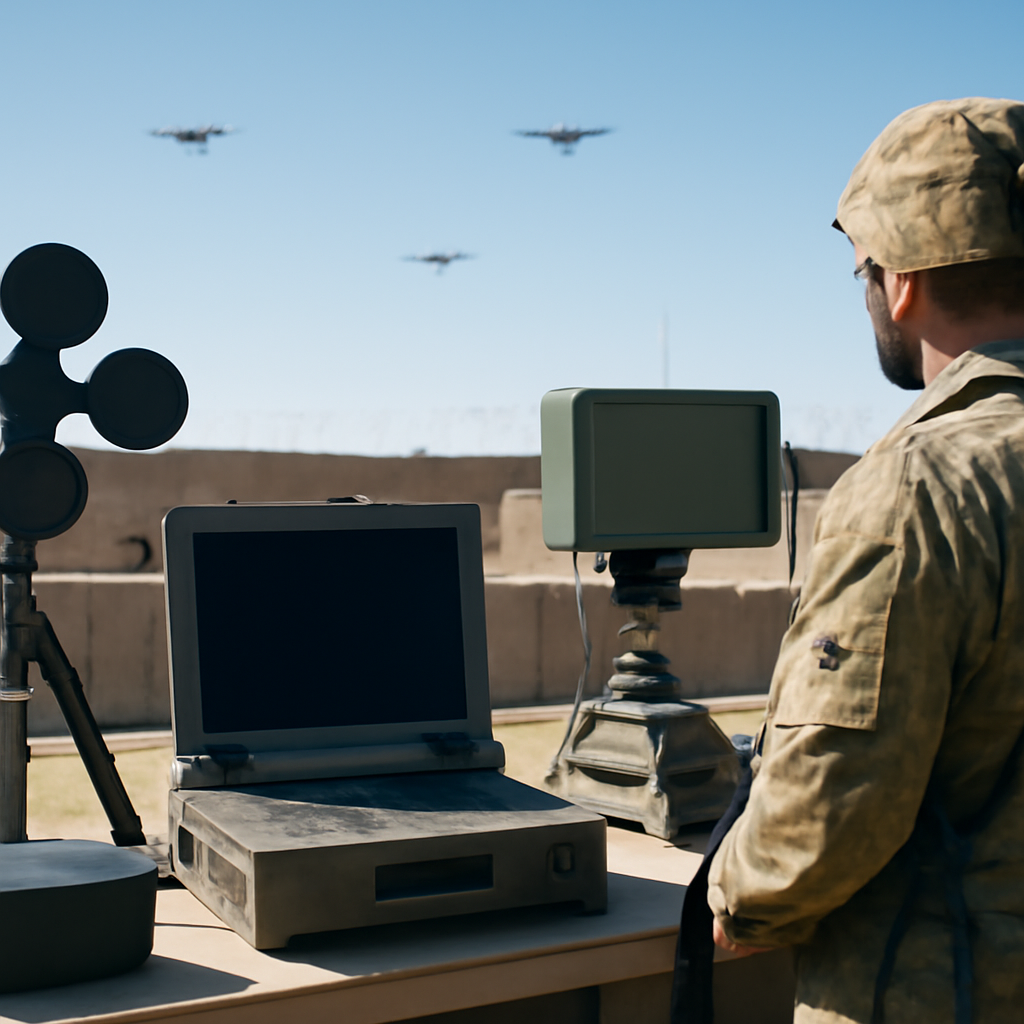
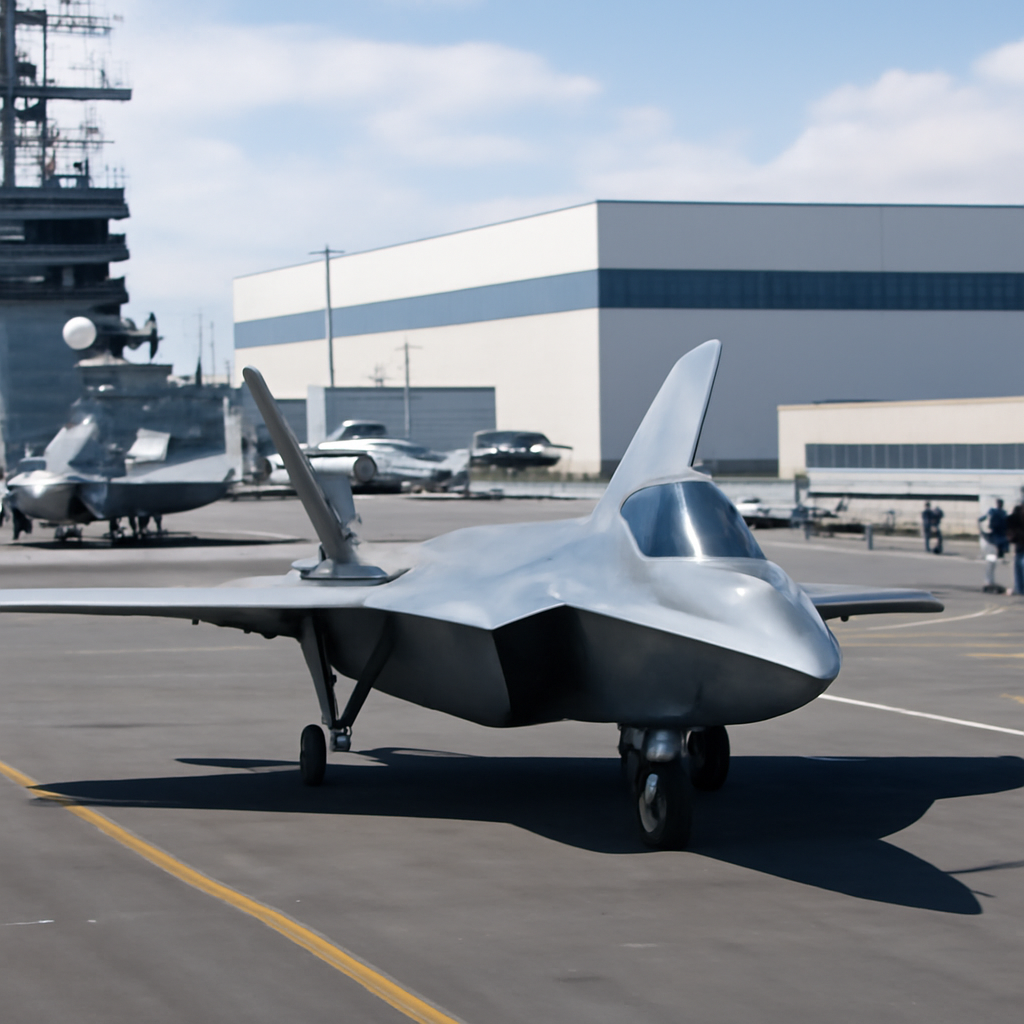
Pakistan figures as the operational muscle behind the pact in source accounts. Historically, Riyadh and Islamabad have cooperated closely: the 1982 Joint Defense Protocol established the Saudi-Pakistani Armed Forces Organization (SPAFO) and saw Pakistan station more than 20,000 troops in Saudi Arabia. The SMDA already has provisions reportedly permitting deployment of up to 80,000 Pakistani troops; during a recent episode of Saudi-Iranian tensions Pakistan deployed 8,000 troops, a squadron of mostly JF-17 fighter jets and an HQ-19 air defense system to Saudi Arabia under the SMDA.
The source also raises the sensitive question of whether Pakistan’s nuclear umbrella — referred to in the text as the “Islamic bomb” — could ever fall under the Mecca pact. Last year, Pakistan’s Defense Minister Khawaja Mohammad Asif said the country’s nuclear program "will be made available" to Saudi Arabia if needed under the SMDA; whether that claim has any legal or operational bearing on the new tripartite pact remains unaddressed in the agreement's text.
How Operation Sindoor and recent combat experience shape Indian calculations
New Delhi has said it is "closely" watching the Mecca pact. Ministry of External Affairs Spokesperson Randhir Jaiswal told a scheduled press briefing that India continues to follow developments in the West Asia conflict and the "implications" of this pact for national security and regional peace and stability, and that India "remains fully committed to safeguarding its national interests" and will take necessary measures.
The pact arrives against the backdrop of Operation Sindoor, a May 2026 episode that the source describes as altering subcontinental escalation norms. In response to attacks on tourists in Pahalgam, India carried out long-range precision strikes on military targets between May 8-10, 2026; those strikes disabled runways and neutralized HQ9 air defense systems, and the source notes they "met with little resistance." Pakistan was, the source reports, actively aided during that campaign by China and Turkiye; Pakistan also extensively used Turkish drones and had Turkish military operatives believed to be on the ground assisting Pakistan. The source argues Operation Sindoor established "decisive military asymmetry" and pushed Pakistani planners to seek new political and military strategies.
What this means for Indian policymakers, Pakistan's leadership, and Saudi Arabia/Turkiye
- Indian policymakers and military planners: Expect cautious monitoring and contingency planning. The source suggests the Mecca pact "merits caution" but also stresses that invocation procedures are likely consultative and evolving — and that immediate, automatic military intervention by Turkiye or Saudi Arabia against India is "highly unlikely" in many scenarios cited by Indian officials.
- Pakistan's political-military leadership: The pact offers political space and a public buffer. The source says Pakistan will try to "project and use" the agreement as a buffer in future tensions with India and that the arrangement continues a pattern where Pakistan trades military assistance and deployment capacity for financial and diplomatic support from Riyadh.
- Saudi Arabia and Turkiye: Both capitalise on diversification. Riyadh gains another security partner beyond traditional U.S. ties while Turkiye contributes a domestic defence base and surge capacity — including drones and other capabilities it has supplied to Pakistan and Saudi Arabia.
There are immediate, observable limits to the pact. The Houthi drone strike on the Jazan refinery on August 9 — days after the agreement — caused no casualties and did not provoke a joint response, underscoring that the new arrangement currently reads more as a political hedge than as a fully operational mutual-defense bloc. For India, the Mecca Joint Deterrence Agreement is neither an existential shift nor a negligible footnote: it changes some calculations at the margins while leaving major procedural questions unresolved. The next concrete tests will be how signatories define the criteria for collective defense and whether they ever translate declaratory solidarity into coordinated military action.
https://thediplomat.com/2026/08/mecca-joint-deterrence-agreement-implications-for-india/