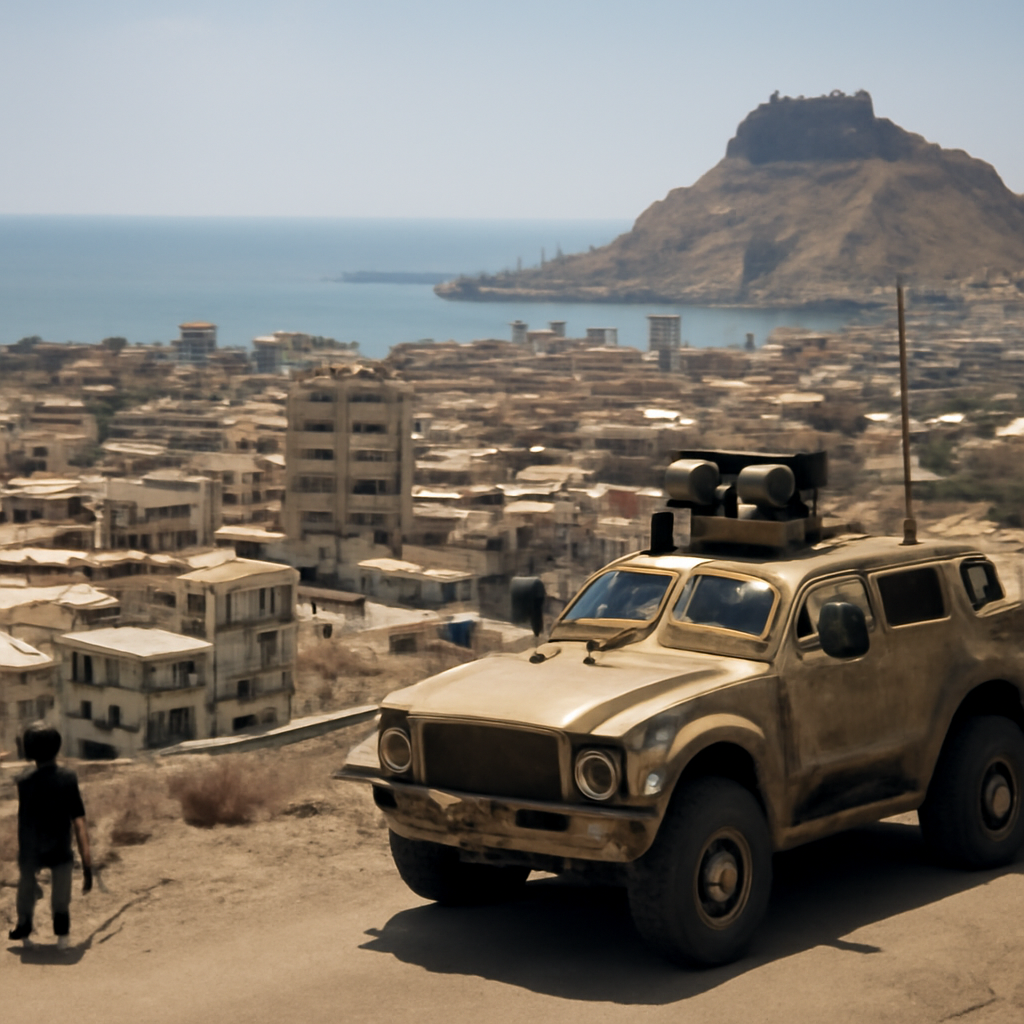
“On Monday, the Nation Shield Forces, the Giants Brigades, and the Tihama Resistance—supported by the Popular Resistance—seized control of the city of Al-Mokha in western Taiz Governorate following fierce battles against the terrorist Houthi militias backed by the Iranian regime,” the official Yemeni Saba news outlet reported.
Claims of territory regained in Operation Yemen Dawn
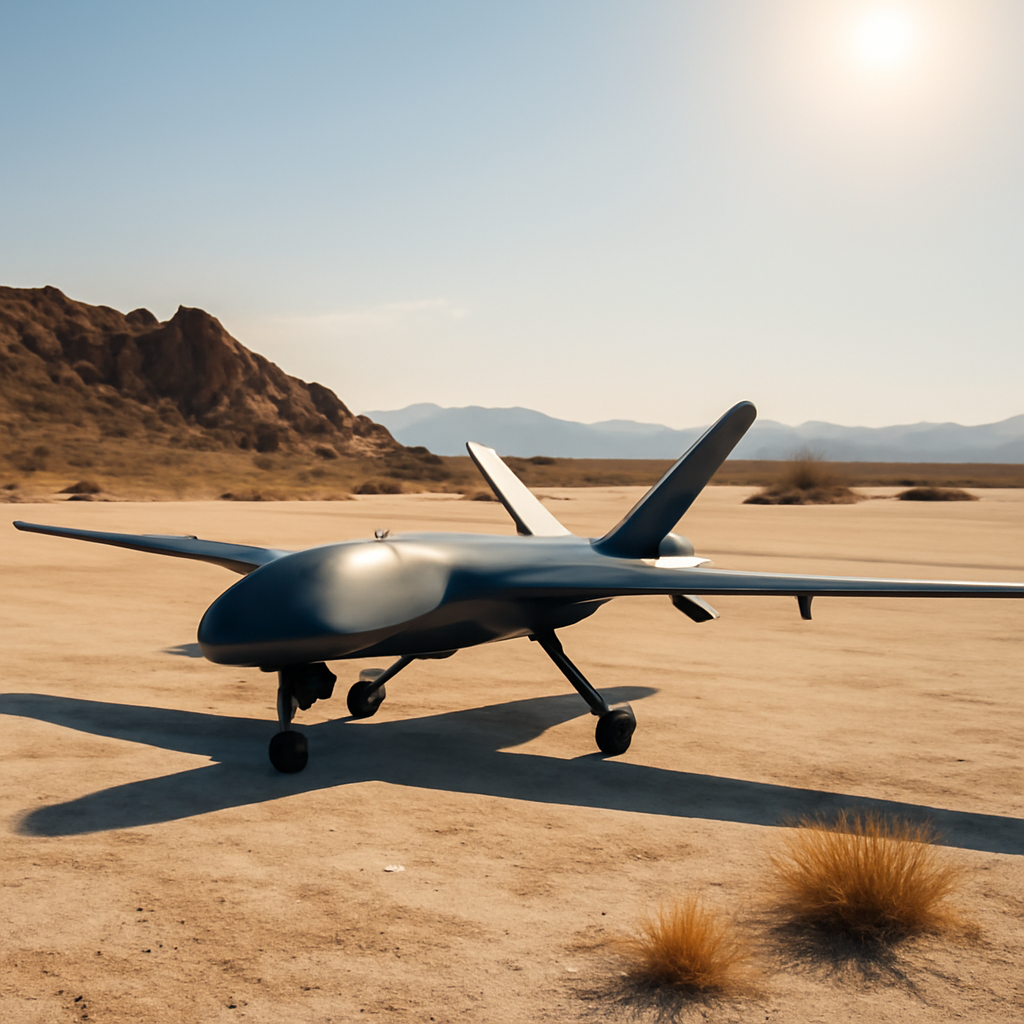
Yemeni government-aligned forces and their Saudi backers announced a coordinated counteroffensive, dubbed Operation Yemen Dawn, that they say has retaken a series of positions along the Red Sea coast and near the Bab al-Mandeb Strait (BAM). The chief claims include the recapture of the Red Sea port city of Mokha, the liberation of Dhubab (Dhobab) District and strategic positions around BAM, and the reported seizure of several Houthi fighters and military materiel during clashes. The Saba report said the operations were “aided by air support” and left Houthi fighters dead, wounded, or in flight.
Saudi-led coalition support and allied deployments
Saudi military and diplomatic backing has been a linchpin of the push. Maj. Gen. Turki al-Maliki, spokesman for the Saudi-led coalition, told The Associated Press that “100 fighter jets were providing support to the forces of Yemen’s internationally recognized government” and that the coalition had secured “air protection” of the Bab el-Mandeb Strait while destroying “hundreds of Houthi targets.” Al-Maliki also pledged “full operational support” to Yemeni government forces until the Houthis are “eliminated,” according to the AP.
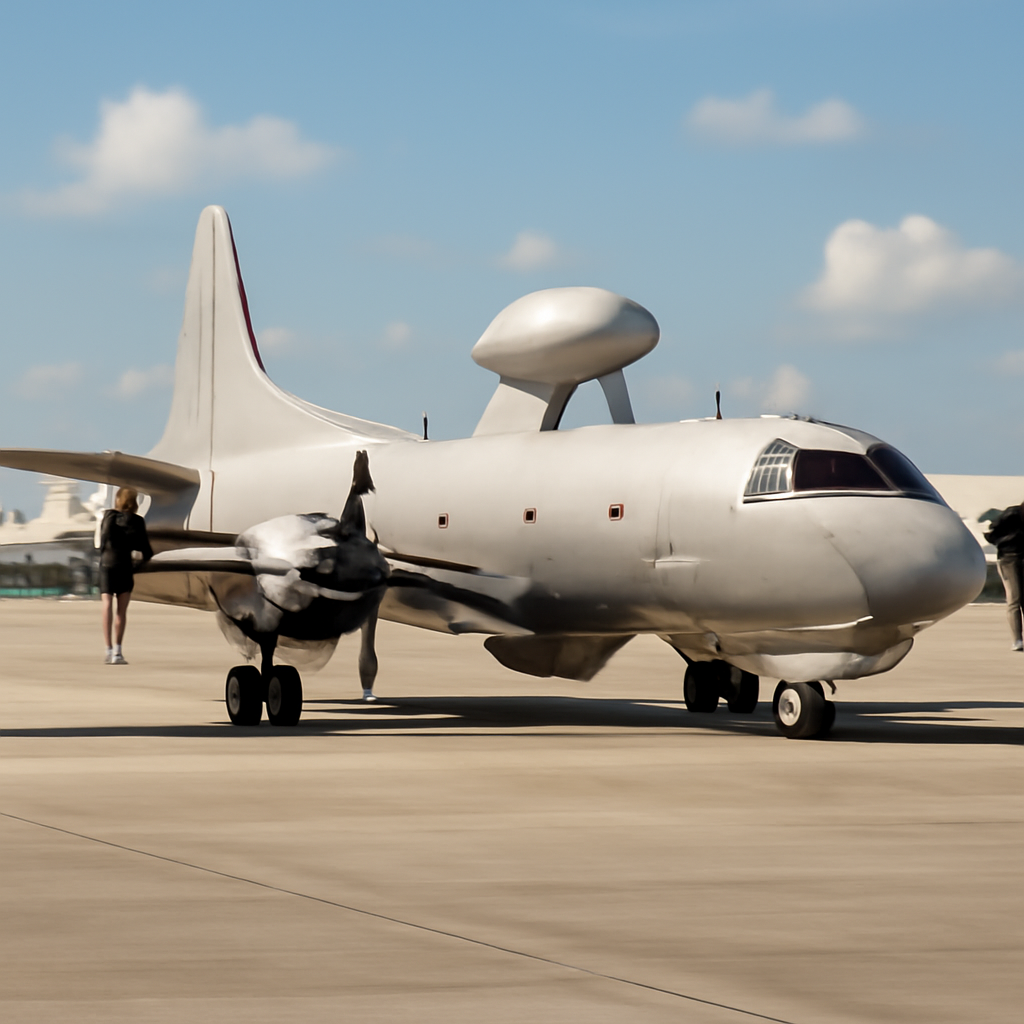
Beyond Saudi assets, the source reports allied deployments and offers of assistance: Turkey and Pakistan announced a “rapid deployment” of troops to Saudi Arabia under the Mecca Joint Defense Agreement; France said President Emmanuel Macron would send soldiers, radar systems and defense systems to protect Saudi facilities; and the U.K. announced deployment of an RAF Voyager aerial refueling jet. The New York Times, cited in the source, reported expanded U.S. assistance as well — including aerial refueling for Saudi warplanes on defensive patrols and “more than 200 U.S. intelligence and military analysts” working in Saudi command centers to help analyze and select targets.

This site is the portfolio.
OSINTSights runs on Cloudflare Workers, D1, R2, and Vectorize, with an AI pipeline on Hetzner ARM. Nubivance designed, built, and operates it. We do the same for clients.
See what we buildHouthi warnings, maritime disruption, and energy stakes
The Humanitarian Operations Coordination Center (HOCC), described in the source as closely aligned with the Houthis, confirmed increased Saudi airstrikes and issued a warning to airlines that Saudi airspace was unsafe except over Mecca and Medina. The HOCC threatened a response but did not elaborate on the nature of that response.
The maritime stakes cited in the reporting are high. The source notes that earlier Houthi advances included the capture of Mokha and two Red Sea islands, a blockade of the Bab al-Mandeb Strait, and strikes on Saudi ships and energy terminals. Iranian proxies reportedly struck the East‑West pipeline that feeds Red Sea terminals; that line was later said to have reopened after a long-range drone attack. The source also records that Iran has curtailed flow through the Strait of Hormuz since a Feb. 28 attack attributed to the U.S. and Israel. Those disruptions, together with rising insurance costs and continued attacks on shipping, were cited as driving Brent crude above $100 per barrel and prompting European moves to protect energy infrastructure.
Contested imagery, independent analysis, and battlefield uncertainty
Several videos circulating online show Saudi‑backed forces running over and shooting fleeing fighters; the Houthis described that footage as a war crime. The source reports that TWZ “cannot verify these claims,” and independent analyst Mohammed al‑Basha — founder of the Basha Report — said he had “high confidence” that Yemeni government forces recaptured Dhobab Airport, cutting the Houthi supply route between Mokha and Bab al‑Mandeb. Al‑Basha added that Southern Giants Forces were advancing toward Dhobab, Al‑Omari Camp, and Bab al‑Mandeb.
Despite the flurry of battlefield announcements and imagery, the reporting also notes skepticism about the durability of gains: “It is far too early to tell whether the new Saudi‑backed counteroffensive in Yemen will have any lasting effect on the battlefield,” the source observed, and described the anti‑Houthi coalition as “not known to be highly robust.”
What this means for European leaders, the U.S. Mission, and commercial airlines
- European leaders: The reporting links recent French and U.K. deployments to fears about the security of Saudi oil infrastructure and Red Sea transport nodes; protecting those facilities is presented as a central motive for Macron’s and the RAF’s moves.
- The U.S. Mission: The State Department issued a travel warning to Americans in Saudi Arabia because of “the ongoing security situation” and “the potential for aerial drone or missile attacks,” urging vigilance and adherence to Saudi civil defense alerts.
- Commercial airlines: The HOCC’s advisory — stating that much of Saudi airspace was unsafe except over Mecca and Medina — and the State Department’s travel guidance together create operational uncertainty for carriers and add pressure on aviation risk assessments and routing decisions.
The offensive’s immediate effect — reported recaptures and disrupted Houthi supply lines — matters on its face. But the larger picture remains unsettled: international deployments and expanded air support underline how regional and extra‑regional actors see the Bab al‑Mandeb as a strategic choke point; at the same time, contested footage, independent claims that cannot yet be fully verified, and an acknowledged fragility in the anti‑Houthi coalition leave the durability of recent gains in doubt. With U.S.–Iran talks stalled, Iran preparing a reply to a U.S. counterproposal, and the wider Red Sea and Gulf shipping environment already strained, the next weeks will determine whether Operation Yemen Dawn alters control of the sea lanes or simply reorders a volatile front.