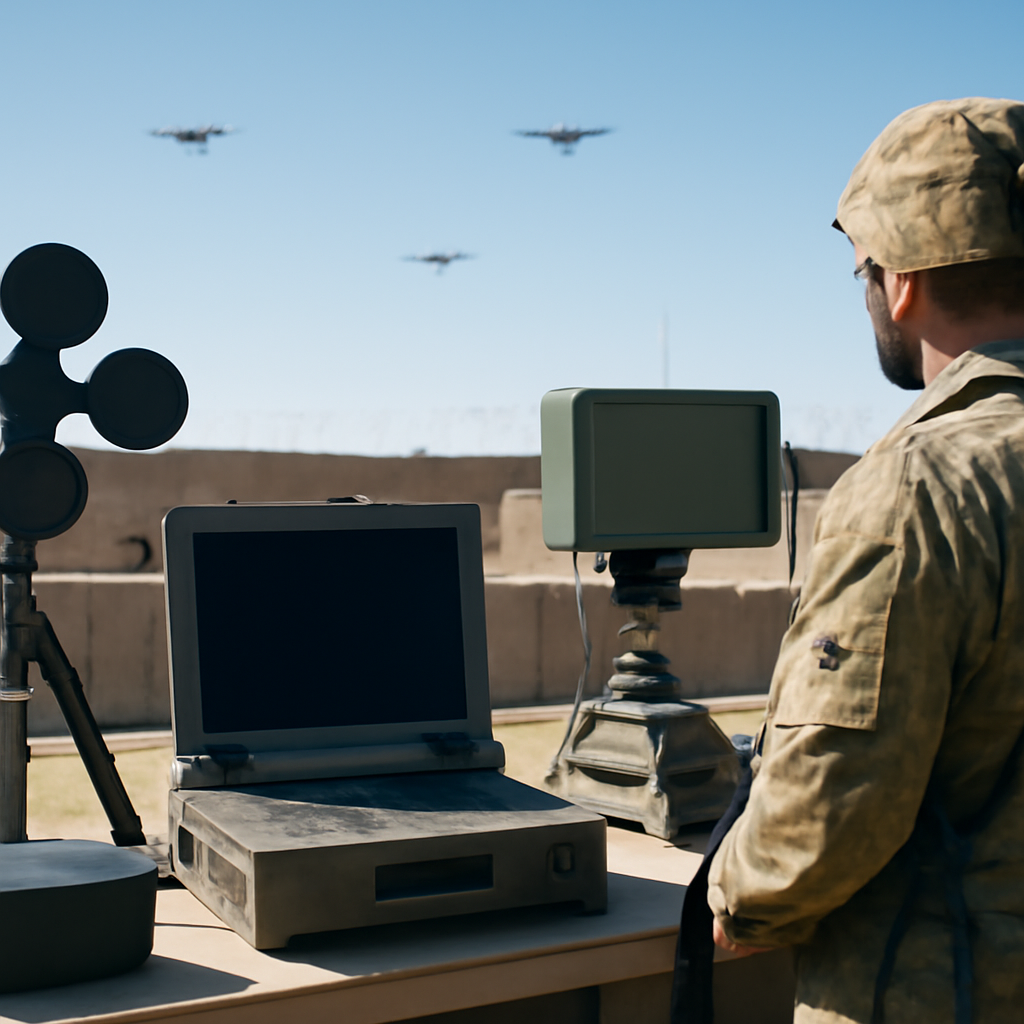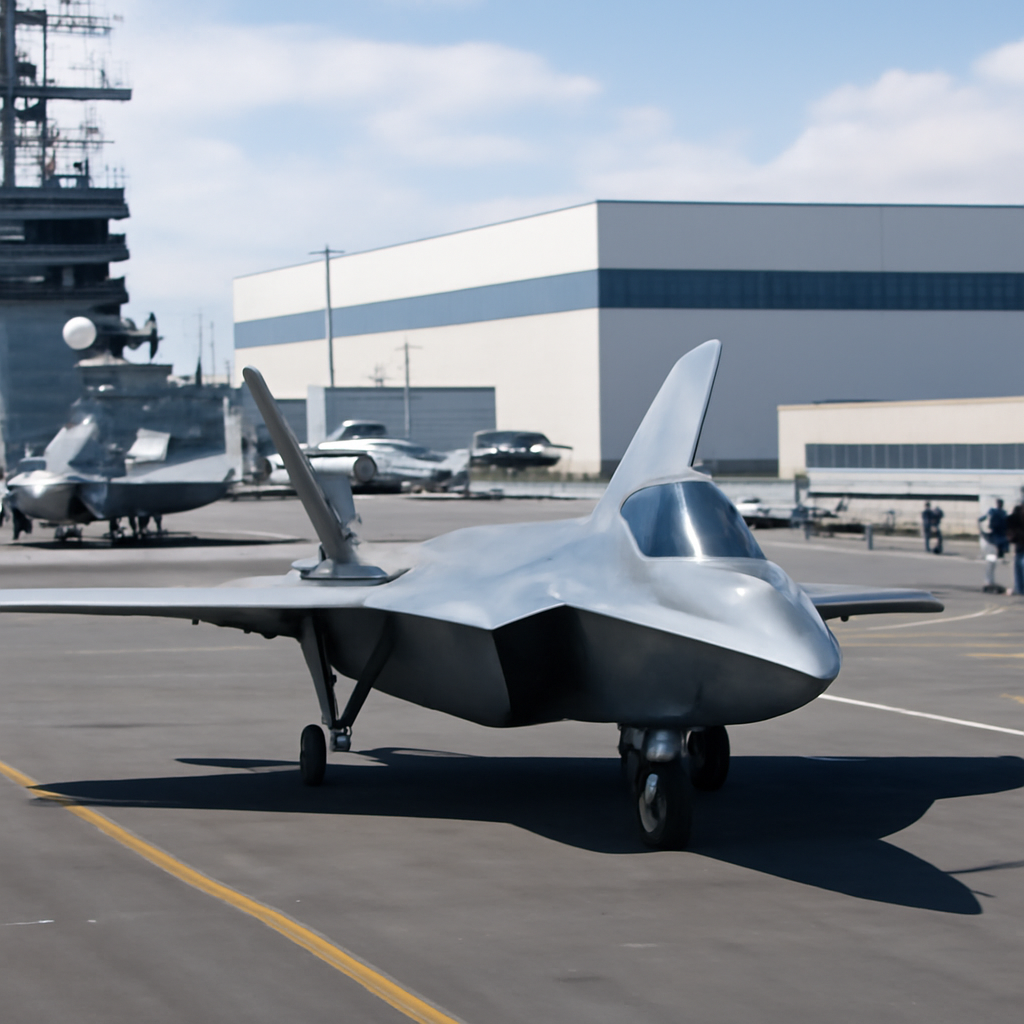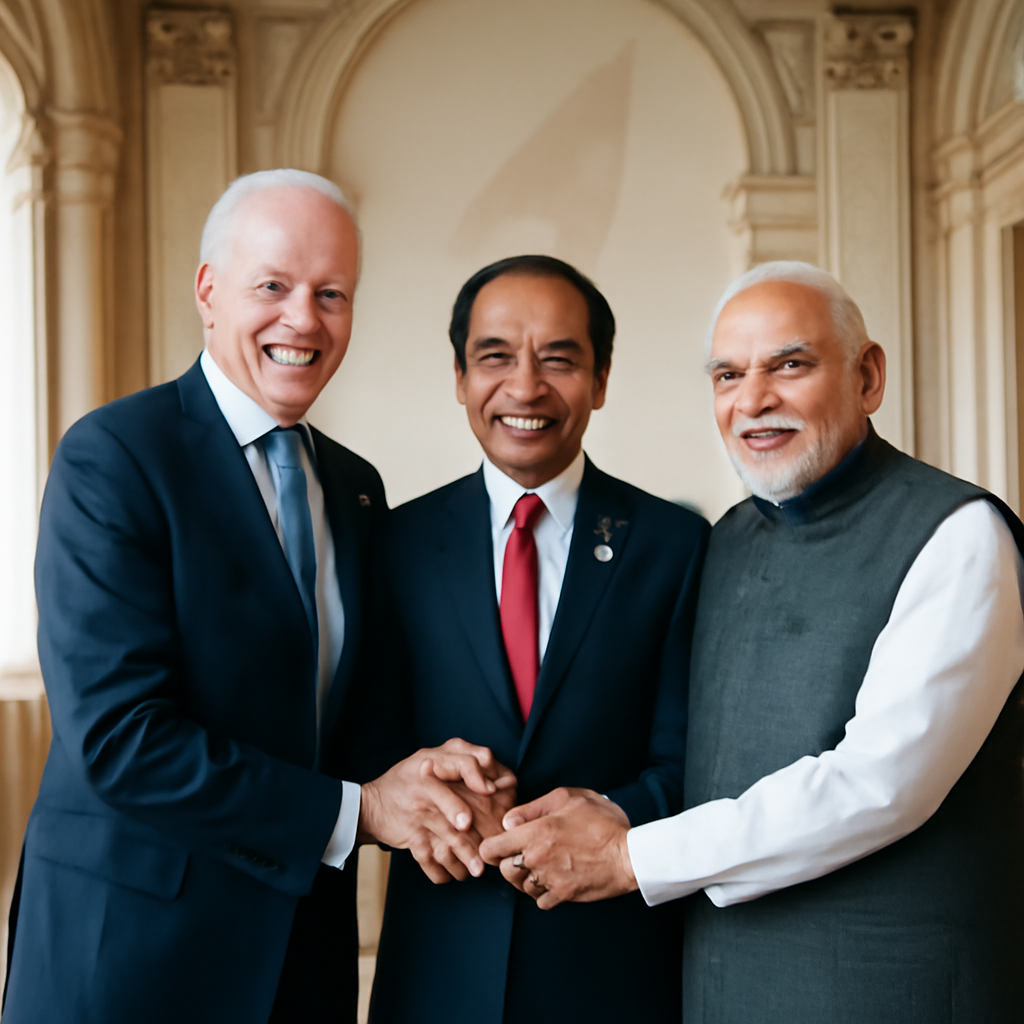
“The Agreement is intended to strengthen collective deterrence against any act of aggression, and stipulates that any armed attack against any one of the three States shall be regarded as an attack against them all,” a joint statement reads.
Signing at the Makkah Al‑Mukarramah Summit for Joint Defence
The accord was signed in Mecca at the Makkah Al‑Mukarramah Summit for Joint Defence by Saudi Crown Prince Mohammed bin Salman, Turkish President Recep Tayyip Erdoğan and Pakistani Prime Minister Muhammad Sharif. The three leaders described the plan as guided by “the longstanding historical ties among the three states, based on the enduring bonds of brotherhood and Islamic solidarity,” and said it builds on “shared strategic interests and longstanding defense cooperation.”
The pact’s mutual‑defense clause
At its core the agreement establishes a NATO‑style collective defense arrangement. The joint statement explicitly says the pact “stipulates that any armed attack against any one of the three States shall be regarded as an attack against them all” and commits the parties to “the enhancement of all aspects of defence cooperation among the three States.”

Audit-ready is a season. It shouldn't be.
Evidence in spreadsheets, controls drifting between audits, frameworks multiplying on flat headcount. Nubivance runs continuous compliance on Rapid7 Cyber GRC - SOC 2, HIPAA, ISO 27001, PCI, CMMC.
End the scrambleContext: attacks and intelligence warnings for Saudi Arabia
The agreement arrives amid a campaign of attacks on Saudi Arabia this year attributed in the statement to Iran‑backed forces. The source says Tehran has been lashing out “in the wake of the US‑Israeli military campaign against it.” Just hours before the pact was signed, a senior Saudi official told Reuters the kingdom was “bracing for attacks from Iran’s proxies in Yemen and Iraq based on intelligence collected domestically and from regional allies and the US.” The new accord, the three states said, is aimed at strengthening collective deterrence in that environment.
Pakistan’s recent defense ties with Saudi Arabia and its diplomatic role
The trilateral pact follows recent bilateral moves: “nearly a year after Saudi Arabia and Pakistan signed their own defense accord on Sept. 17,” which the source says brought Riyadh “under Pakistan’s nuclear umbrella.” Separately, Pakistan has been active as a diplomatic actor in the Iran conflict, described by the reporting as “one of several venues for complex peace talks.” The new three‑way arrangement bundles those developments into a broader collective framework.
Turkey’s role: NATO membership, bilateral agreements, and defense exports
The inclusion of Turkey — identified in the reporting as “a NATO member” — introduces additional strategic variables. The pact does not, according to a Turkish official cited by The Associated Press, replace existing bilateral agreements. The reporting also notes that Ankara’s role could “further heighten tensions with Israel,” while simultaneously creating “an opening for Riyadh and Islamabad to more easily tap into Ankara’s booming defense export market.”
Reactions from analysts and officials
Responses to the new agreement in public commentary were mixed. Michael Kugelman, a senior fellow at the Atlantic Council, called the trilateral alliance a “logical outgrowth of the deepening security ties” among the three nations and added on X that with its “focus on collective regional deterrence [with] an eye to Iran, it’ll be received well in Washington, which wants to see more burden‑sharing from top allies.”
At the same time H. A. Hellyer, a senior associate fellow at the UK‑based Royal United Services Institute, cautioned on social media that immediate practical effect should not be assumed. “One should be very wary about considering that this would actually take immediate effect, irrespective of the signing of it,” he wrote, adding skepticism that Saudi Arabia would “truly expect Ankara and Islamabad to treat it as an attack on them” if Riyadh were attacked.
The agreement creates a formal, mutual‑defense framework among three regional powers at a moment of elevated tension. Whether the pact strengthens deterrence in practice — or instead becomes a diplomatic signal whose operational details will be worked out over time — remains a question the signatories will face if and when the new alliance is tested.