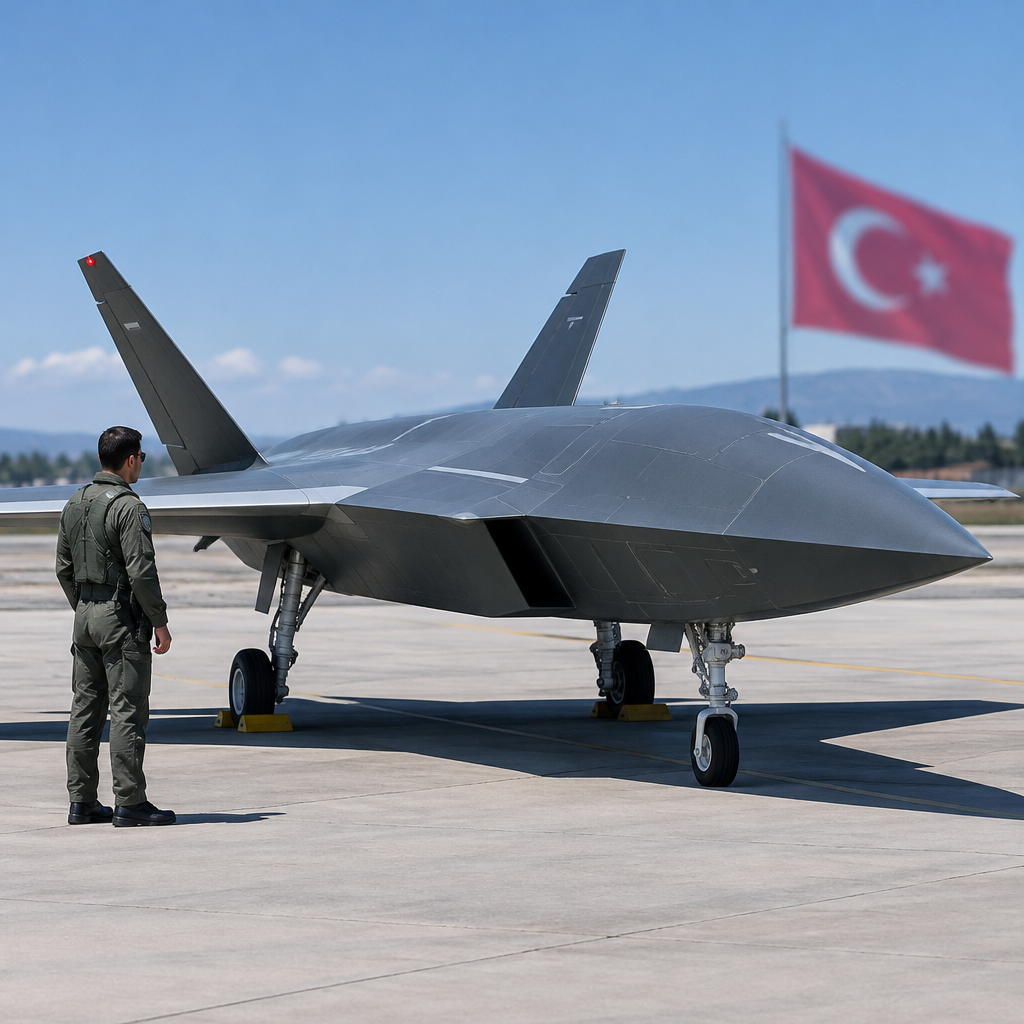
The formation reportedly came within approximately 500 meters (1,640 feet) of South Korean sovereign airspace before turning away, according to South Korean reporting — a proximity figure the authorities say has not been independently verified.
Close approach near Ulleungdo: timeline and military response
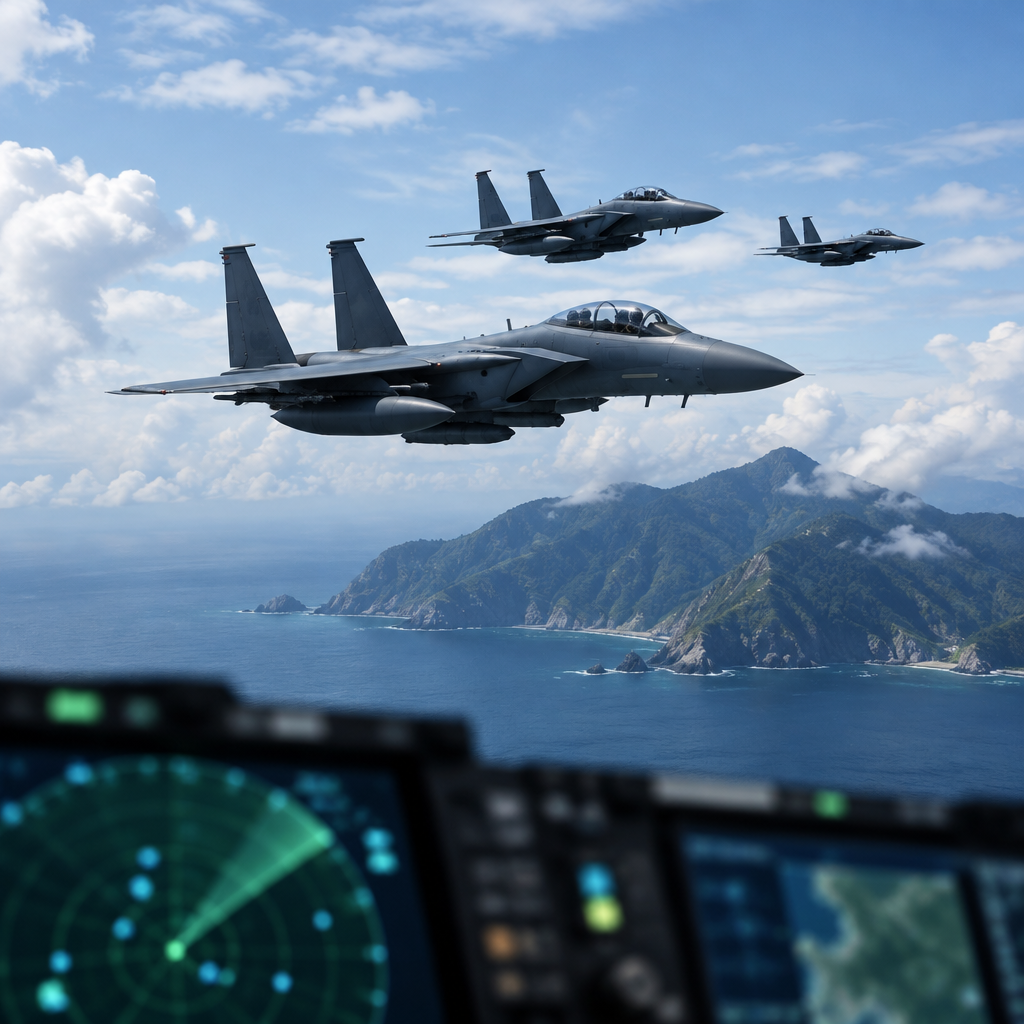
On November 24, multiple Russian military aircraft entered the Korea Air Defense Identification Zone (KADIZ) without prior notification and approached the airspace around Ulleungdo, an island east of mainland South Korea, the Joint Chiefs of Staff (JCS) said. South Korea scrambled F-15K Slam Eagle fighters to monitor the formation and "take undisclosed measures to prevent a potential airspace violation," the JCS said. Seoul clarified after the incident that the Russian aircraft had not actually entered South Korean territorial airspace.
The encounter prompted an unusual civil-defence action: local authorities briefly issued an emergency warning instructing Ulleungdo residents to move into shelters. The warning was lifted roughly three minutes later after the aircraft departed the immediate area. Yonhap reported that the local authority had initially identified the aircraft as likely North Korean; Seoul later corrected the record.
Russian Ministry of Defense account and aircraft involved
The Russian Ministry of Defense said two Tu-160 strategic bombers completed a scheduled flight over the neutral waters of the Sea of Japan, a mission it said lasted approximately 10 hours and was "conducted in accordance with international law." Moscow identified Su-35S and Su-30SM fighters as escort aircraft. The MoD’s released video also shows at least one Su-57 operating alongside the formation, though the Su-57’s precise role, number, and duration of participation were not officially disclosed.
South Korean reporting described the formation that approached Ulleungdo as consisting of two bombers and two fighters, but available information does not conclusively establish that those were the same aircraft the Russian announcement identified, nor does it disclose the fighter types involved in the close approach.

The cyber insurance questionnaire just landed. Now what?
SOC 2, HIPAA, insurance renewals - someone has to own security strategy. Nubivance provides fractional CISO leadership without the full-time salary.
Get a security leadSeoul’s diplomatic protest and official remarks
South Korea’s Ministry of National Defense summoned Russian defense attaché Colonel Nikolai Marchenko on the afternoon of November 24. Kim Hak-jo, director-general for international policy at the ministry, reportedly delivered a strong protest and demanded measures to prevent a recurrence of unannounced entries into KADIZ. Seoul described the repeated unannounced entries and the Ulleungdo approach as unacceptable actions that "could unnecessarily heighten tensions on the Korean peninsula and throughout the region," and emphasized that its military would continue responding actively to foreign military aircraft operating within KADIZ to protect sovereign airspace.
How Seoul, Moscow, and Ulleungdo residents are affected
- Seoul — Military and diplomatic: The Ministry of National Defense and the Joint Chiefs of Staff have reinforced monitoring and interception activity in KADIZ and used diplomatic channels to demand assurances and preventive measures from Moscow.
- Moscow — Operational messaging: The Russian Ministry of Defense framed the mission as a routine, lawful long-range aviation patrol over international waters, publicizing escorts and imagery that include Su-35S, Su-30SM and at least one Su-57 alongside Tu-160 bombers.
- Ulleungdo residents — Civil defence impact: A local emergency warning to shelter, issued in error after misidentifying the origin of the aircraft, briefly disrupted civilian life and underscored the sensitivity of misclassification when fast-moving foreign military flights approach national zones.
Context within wider Russian long-range aviation activity
The November 24 encounter came amid sustained Russian long-range aviation patrols in the Sea of Japan that routinely attract monitoring from South Korean and Japanese air forces — particularly when strategic bombers operate with tactical fighter escorts. The story also notes near-term regional activity by Russian aviation, including a pair of Tu-95MS bombers that arrived in Da Nang, Vietnam, on November 17 and, according to reporting, briefly intruded into Japanese airspace and passed through Taiwan’s ADIZ on the way. The piece links these patrols to Moscow’s practice of using long-range flights both to exercise reach and to demonstrate strategic aviation capabilities.
The incident’s visible elements — strategic Tu-160s paired with advanced fighters and a brief civilian shelter order — produced both a formal protest and a rapid military response. Whether the Su-57 shown in Russian video footage was operating near the Korean peninsula for the duration of the mission remains officially unresolved, and Seoul’s demand for measures to prevent recurrence makes clear that similar sorties will continue to be watched closely.
Original reporting: TWZ — Seoul Scrambles F-15Ks As Russian Warplanes Come Within Seconds Of Crossing Into South Korean Airspace