Russian Military Sees Surge in Troop Numbers Amid Ongoing Conflicts
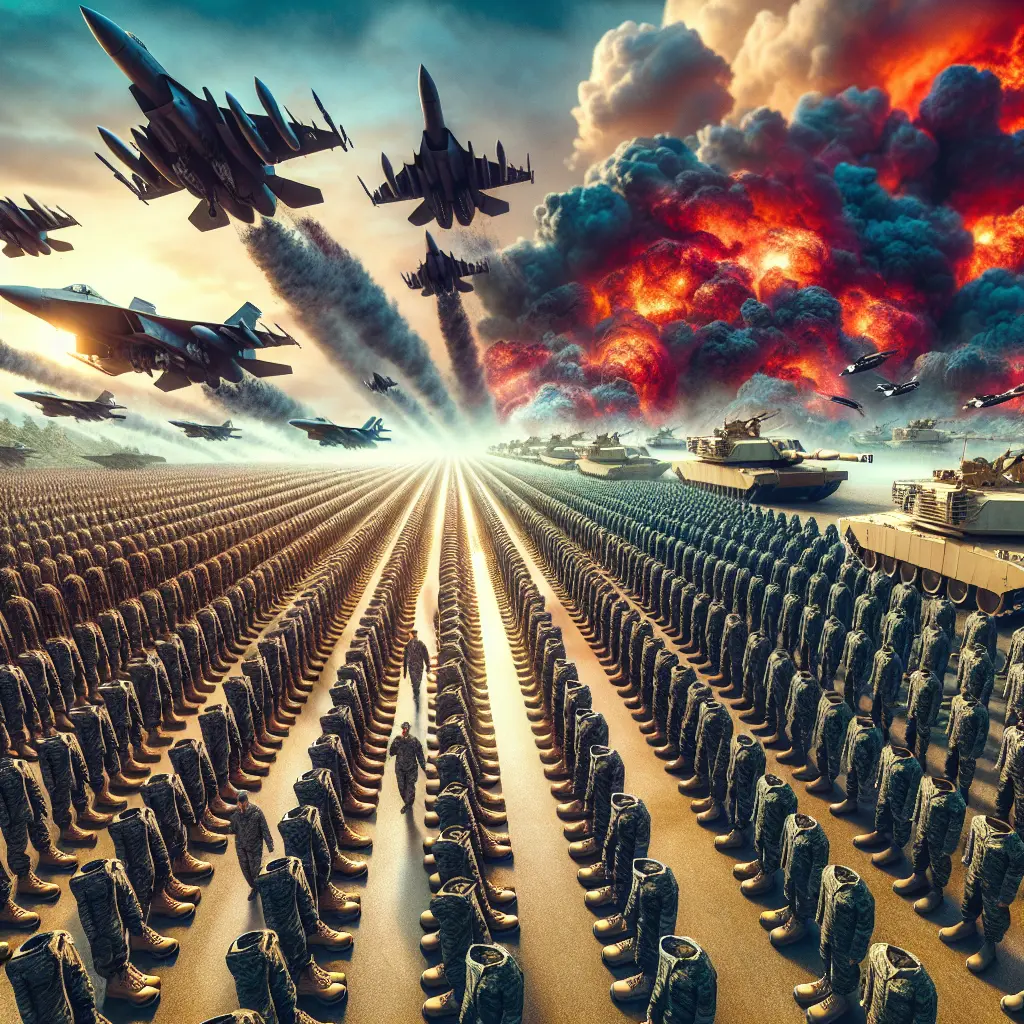
In a striking declaration, Dmitry Medvedev, the Deputy Chairman of Russia’s Security Council, confirmed that the Russian Armed Forces have welcomed over 210,000 new contract soldiers since the beginning of 2025. This figure is compounded by the addition of more than 18,000 personnel to volunteer military formations. The recruitment surge reflects a systematic expansion of approximately 30,000 troops each month—a pace that raises significant questions about Russia’s military strategy and its implications for global security.
The announcement comes at a time when Russia continues to grapple with various regional tensions, most notably its ongoing military engagement in Ukraine. The dramatic uptick in troop numbers not only underscores Moscow’s commitment to bolstering its armed forces but also highlights an evolving approach to military readiness in the face of protracted conflict.
The historical context surrounding this development is crucial. Since 2014, following the annexation of Crimea and the subsequent conflict in Eastern Ukraine, Russia has been actively re-evaluating and restructuring its military capabilities. This has included a shift towards professionalizing its armed forces through contract-based enlistment rather than relying on conscription alone. The changing geopolitical landscape and increasing NATO presence near its borders have further catalyzed this transformation.
Currently, the Russian military’s recruitment strategy involves not only incentivizing existing personnel to extend their service but also attracting new recruits through enhanced benefits and promises of job security within the armed forces. Such measures are indicative of broader attempts to create a resilient military infrastructure capable of sustaining prolonged engagements on multiple fronts.
The implications of this expansion are manifold. From a strategic standpoint, an increase in troop numbers could enable Russia to exert greater influence in contested regions while reinforcing its position against NATO and other perceived adversaries. Moreover, this trend may amplify public perceptions regarding national security among Russian citizens—a sentiment that could be leveraged by the Kremlin for domestic political purposes.
Experts point out that while sheer numbers can bolster military capabilities, they do not inherently guarantee effectiveness or success in combat scenarios. Acknowledging this reality, former General Anatoly Serdyukov emphasizes that “quality often trumps quantity,” suggesting that adequate training, equipment, and leadership will remain critical factors determining battlefield outcomes. This perspective underscores an essential facet of modern warfare: robust troop counts must be matched with competent operational frameworks.
As the situation unfolds, various stakeholders will closely monitor how these developments shape international relations. Analysts predict possible shifts in NATO’s defensive posture as member states reassess their own military readiness in response to an increasingly assertive Russian force structure. Furthermore, ongoing assessments will reveal whether this enlistment strategy engenders increased volunteer participation or if it encounters hurdles related to morale or public perception within Russia.
The question remains: Can Moscow sustain this recruitment momentum without compromising operational effectiveness? As global dynamics evolve and tensions persist across multiple theaters, one thing is clear—how the Russian military navigates these challenges will have far-reaching consequences for regional stability and international security at large.