Russia Unleashes Widespread Missile Assault
Overview
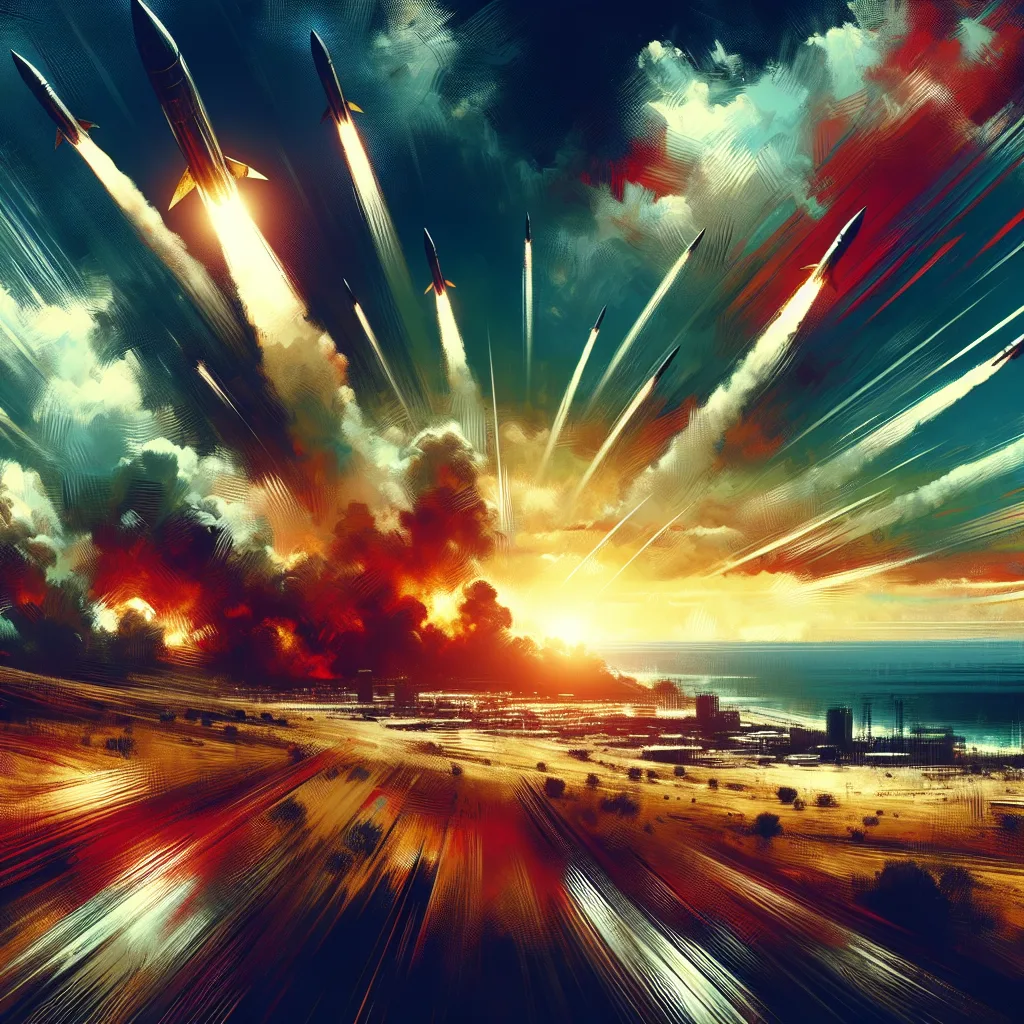
The recent missile assault by Russia on Ukraine marks a significant escalation in the ongoing conflict, with over 130 aerial threats launched, including a mix of cruise and ballistic missiles. This attack not only underscores the persistent volatility in the region but also raises critical questions about the effectiveness of air defense systems and the broader implications for international security. The stakes are high, as civilian infrastructure is targeted, and the humanitarian crisis deepens, affecting millions of Ukrainians and altering the geopolitical landscape.
Background & Context
The roots of the current conflict can be traced back to 2014, when Russia annexed Crimea, leading to a protracted war in Eastern Ukraine. The situation escalated dramatically in February 2022 when Russia launched a full-scale invasion, prompting widespread condemnation and sanctions from the international community. The ongoing military operations have seen a shift in tactics, with Russia increasingly relying on missile strikes to achieve its strategic objectives. This latest assault is emblematic of a broader strategy aimed at undermining Ukrainian morale and crippling its infrastructure.

This site is the portfolio.
OSINTSights runs on Cloudflare Workers, D1, R2, and Vectorize, with an AI pipeline on Hetzner ARM. Nubivance designed, built, and operates it. We do the same for clients.
See what we buildCurrent Landscape
In the early hours of Sunday morning, Ukrainian air defenses successfully intercepted over 50 incoming missiles, showcasing their capabilities amidst overwhelming odds. However, the sheer volume of the assault resulted in significant damage across several cities, highlighting the challenges faced by Ukraine in defending its airspace. The attack involved a combination of advanced missile systems, including the Kh-101 and Kalibr cruise missiles, which are designed to evade detection and strike critical targets with precision.
Data from the Ukrainian Air Force indicates that while interception rates have improved, the volume of attacks continues to outpace defensive capabilities. This trend raises concerns about the sustainability of Ukraine’s air defense systems, particularly as Russia adapts its tactics and seeks to exploit vulnerabilities.
Strategic Implications
The implications of this missile assault extend far beyond immediate military outcomes. Firstly, the attack serves to reinforce Russia’s commitment to its military objectives in Ukraine, signaling to both domestic and international audiences that it remains undeterred by sanctions or diplomatic pressure. This could embolden further aggression, not only in Ukraine but potentially in other regions where Russia seeks to assert its influence.
Secondly, the effectiveness of Ukraine’s air defenses is under scrutiny. The ability to intercept a significant number of missiles is commendable, yet the damage inflicted raises questions about the long-term viability of these systems. As the conflict drags on, the need for advanced military support from Western allies becomes increasingly critical. The balance of power in the region hinges on the ability of Ukraine to maintain its defensive posture while seeking offensive capabilities to deter future assaults.
Moreover, the attack has broader geopolitical ramifications. NATO’s response, both in terms of military support and diplomatic engagement, will be closely watched. The alliance’s commitment to collective defense is being tested, and any perceived weakness could embolden adversaries beyond Russia, potentially destabilizing other regions.
Expert Analysis
From an analytical perspective, this missile assault can be viewed as a calculated move by Russia to test the limits of Ukraine’s defenses while simultaneously sending a message to the West. The choice of timing and scale suggests a desire to disrupt any ongoing peace negotiations or military support initiatives. Furthermore, the attack may be intended to gauge the response of NATO and other allies, assessing their willingness to escalate support for Ukraine.
In my view, the current trajectory of the conflict indicates that we are entering a phase where both sides are likely to escalate their military capabilities. Russia may increase its reliance on missile strikes, while Ukraine will seek to enhance its air defense systems and offensive capabilities. This arms race could lead to a more protracted conflict, with devastating consequences for civilians caught in the crossfire.
Recommendations or Outlook
To address the challenges posed by this missile assault and the broader conflict, several actionable steps should be considered:
- Enhance Air Defense Capabilities: Ukraine should prioritize the acquisition of advanced air defense systems, such as the Patriot missile system or similar technologies, to improve interception rates and protect critical infrastructure.
- Strengthen International Alliances: Continued diplomatic engagement with NATO and other allies is essential to secure military support and ensure a unified response to Russian aggression.
- Promote Humanitarian Aid: As the conflict escalates, the humanitarian crisis will deepen. Increased support for humanitarian efforts is crucial to alleviate the suffering of civilians affected by the conflict.
- Engage in Strategic Communication: Ukraine should leverage media and diplomatic channels to highlight the impact of Russian aggression, garnering international support and reinforcing the narrative of resistance against tyranny.
Looking ahead, the potential for further escalation remains high. The international community must remain vigilant and proactive in addressing the evolving dynamics of the conflict, as the consequences of inaction could be dire.
Conclusion
The recent missile assault by Russia on Ukraine serves as a stark reminder of the ongoing volatility in the region and the urgent need for a comprehensive response from the international community. As the conflict continues to evolve, it is imperative to recognize the underlying motivations driving these actions and to take decisive steps to support Ukraine in its struggle for sovereignty. The question remains: how will the world respond to this latest act of aggression, and what will it mean for the future of global security?