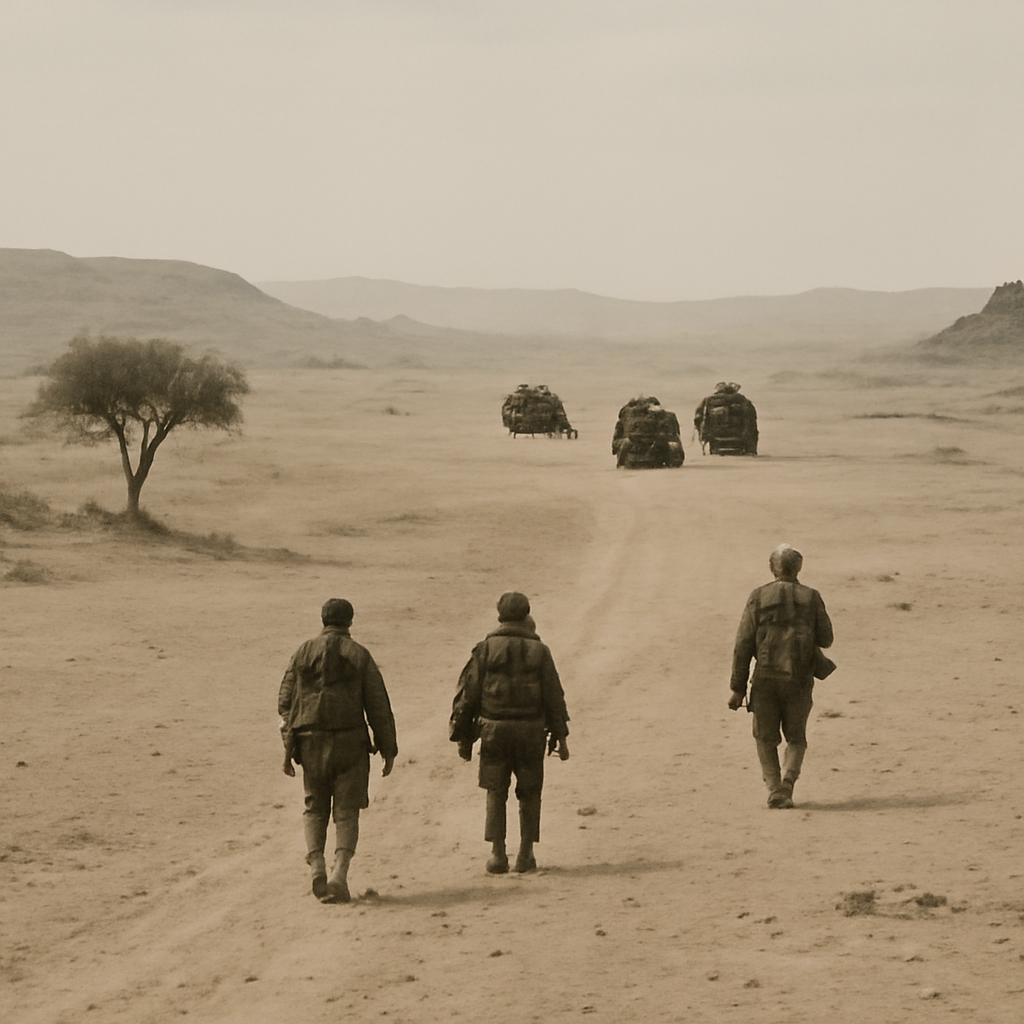
Devastation in Sumy: A Grim Reminder of War’s Toll on Civilians
On a quiet Sunday morning, the Ukrainian city of Sumy was thrust into chaos as Russian forces unleashed a barrage of ballistic missiles, targeting civilian areas with deadly precision. The attack, which resulted in the tragic loss of more than 20 lives, underscores the brutal reality of modern warfare, where the line between combatants and non-combatants is increasingly blurred. As the dust settles, one must ask: what does this mean for the future of Ukraine and the broader geopolitical landscape?
To understand the gravity of this incident, it is essential to consider the historical context of the conflict between Russia and Ukraine. Since 2014, when Russia annexed Crimea, the two nations have been embroiled in a protracted and bloody conflict. The situation escalated dramatically in February 2022, when Russia launched a full-scale invasion of Ukraine, leading to widespread destruction and a humanitarian crisis. International law, particularly the Geneva Conventions, clearly prohibits attacks on civilians, yet such violations have become alarmingly commonplace in this ongoing war.
As reports emerged of the missile strikes in Sumy, local authorities described the scene as one of utter devastation. Eyewitness accounts recounted the harrowing moments when the first missile struck a central street, followed closely by a second explosion that sent shockwaves through the city. Emergency services rushed to the scene, grappling with the aftermath of the attack while trying to rescue those trapped beneath the rubble. The Ukrainian government condemned the strikes as a blatant act of aggression, further inflaming tensions in an already volatile region.
The implications of this attack extend far beyond the immediate loss of life. It raises critical questions about the effectiveness of international responses to such acts of violence. The United Nations and various human rights organizations have repeatedly called for accountability and justice for war crimes committed during the conflict. However, the reality is that enforcement mechanisms often fall short, leaving victims and their families without recourse. The attack on Sumy serves as a stark reminder of the urgent need for a robust international framework to protect civilians in conflict zones.
Experts in international relations and military strategy emphasize the significance of this incident in the broader context of the war. Dr. Anna Koval, a noted scholar on Eastern European security, points out that “the targeting of civilian infrastructure is not just a tactic; it is a strategy aimed at breaking the will of the Ukrainian people.” This perspective highlights the psychological warfare aspect of the conflict, where fear and uncertainty are weaponized to achieve political objectives.
Moreover, the attack on Sumy may have far-reaching consequences for Ukraine’s military strategy and its relationships with Western allies. As the Ukrainian government seeks to bolster its defenses and secure additional military aid, incidents like this could galvanize international support. However, they also risk provoking a more aggressive response from Russia, further escalating the conflict. Observers should watch for potential shifts in military tactics and diplomatic efforts in the wake of this tragedy.
As we look ahead, the situation remains precarious. The international community must grapple with the moral and ethical implications of inaction in the face of such blatant violations of human rights. The people of Ukraine, who have shown remarkable resilience in the face of adversity, continue to bear the brunt of this conflict. The question remains: how many more lives must be lost before the world takes decisive action to protect those caught in the crossfire?
In conclusion, the missile strikes in Sumy are not just another statistic in a long list of casualties; they represent the human cost of war and the urgent need for a renewed commitment to protecting civilians. As we reflect on this tragedy, we must remember that behind every number is a story, a family, and a community forever changed. The stakes have never been higher, and the time for action is now.