Russia’s T-90M Tank Production Surge: Strategic Implications Amid Ongoing Conflict
As the conflict in Ukraine drags into its fourth year, the stakes are intensifying, both on the ground and in the realm of military strategy. A new report from the Conflict Intelligence Team (CIT) reveals that Russia is not only enduring but adapting to the prolonged warfare, with a significant increase in the production of its latest main battle tank, the T-90M. Estimates suggest that Russia’s annual output could reach between 280 and 300 units by 2024. What does this ramp-up mean for the battlefield and broader geopolitical landscape?
To fully grasp the significance of this development, it is essential to consider both historical context and current military dynamics. The T-90M, an upgraded version of Russia’s longstanding T-90 model, was designed to address deficiencies revealed in earlier engagements. This tank incorporates advanced armor, improved targeting systems, and a more powerful engine, making it a formidable opponent on modern battlefields. Since its initial deployment in 1992, the T-90 series has undergone numerous refinements based on lessons learned from conflicts in Chechnya, Syria, and most recently, Ukraine.
The urgency behind increasing tank production can be attributed to several factors. Following heavy losses at the onset of the conflict with Ukraine, which led to both material degradation and depletion of experienced personnel, Russia recognized the necessity of replenishing its armored forces rapidly. Moreover, Western sanctions have strained Russia’s economy and defense supply chains, compelling Moscow to ramp up domestic manufacturing efforts in an attempt to mitigate these impacts.
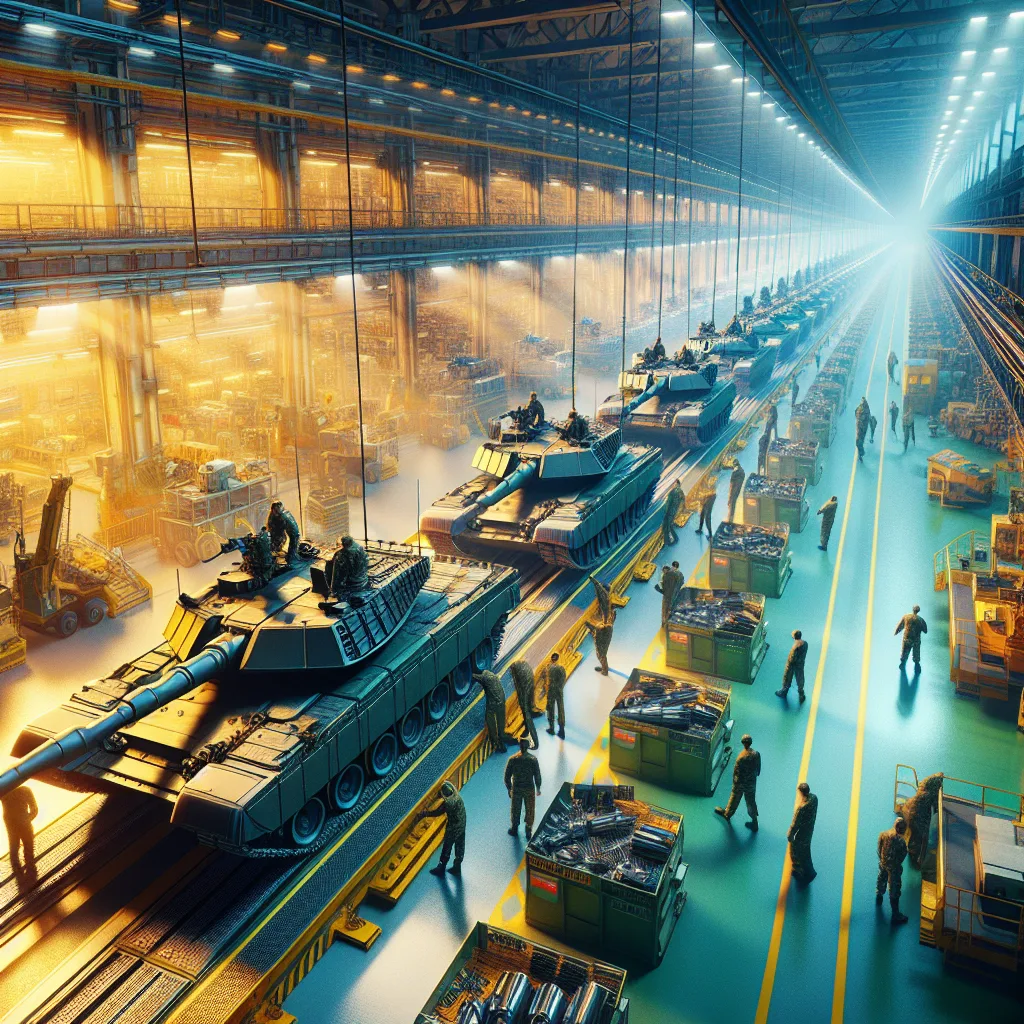
Current estimates indicate that Russian factories are operating at full capacity to produce new tanks while also retrofitting older models to keep their armored divisions adequately equipped. Recent satellite images analyzed by CIT show increased activity at key defense plants involved in tank manufacturing. This surge suggests a concerted effort by Moscow not only to replace lost equipment but also to prepare for a potentially protracted confrontation with Ukraine and its allies.
The implications of increased T-90M production extend beyond mere numbers; they raise critical questions about military strategy and public perception. For instance, enhanced tank capabilities could alter tactical calculations for Ukrainian forces that have been relying on anti-tank weaponry supplied by Western nations. Additionally, as both sides ramp up their arsenals—Ukraine increasingly acquiring advanced Western technologies—the battlefield risks becoming a more complex theater where sheer numbers may not alone dictate success.
“The resurgence of Russian tank production signals an intent to maintain pressure on Ukrainian forces,” says Dr. Ivan Kovalchuk, a military strategist at a Moscow-based think tank specializing in defense analysis. “This is not merely about replacing lost assets; it’s about showcasing resilience amid adversity.” This sentiment underscores how Russia seeks not only tactical advantages but also aims to project strength to both domestic audiences and international observers.
Looking ahead, observers should monitor several key trends stemming from this increase in tank production:
- Tactical Shifts: With more advanced T-90Ms operational on the front lines, we can expect changes in how both Ukrainian and Russian forces engage each other tactically.
- Global Arms Dynamics: Enhanced Russian capabilities may prompt further military assistance from NATO countries to Ukraine or even shifts in regional alliances as neighboring countries reassess their security needs.
- Domestic Impact: Increased production might bolster national morale within Russia amidst ongoing hardships caused by sanctions—an important factor as public support for prolonged engagement remains crucial.
The question that looms large is whether this surge in tank manufacturing will meaningfully alter the balance of power on the battlefield or simply prolong a stalemate that has already cost thousands of lives. The true test will be how effectively Russia can integrate these new tanks into cohesive battle strategies while managing logistical challenges created by a war economy that continues to strain its resources.
As we observe these developments unfold, one cannot help but reflect: What price are nations willing to pay when military might becomes their primary language? As technology races ahead and geopolitical tensions simmer ever hotter, it is civilians—not just soldiers—who ultimately bear the brunt of such decisions. In this high-stakes chess game of modern warfare, every move counts—on both sides—and history will judge who plays best.