“Pyongyang’s arms sales and troop deployment generated more than $10 billion for North Korea,” a South Korean think tank reported — a sum the source notes is large against a national GDP of around $27 billion. That windfall, the reporting suggests, helps explain a recent flurry of North Korean missile tests and fuels a central worry: Russian technical backing could turn a troubling burst of launches into a far more consequential leap in capability.
20 September: the Hwasongpho-11Ma-1 test
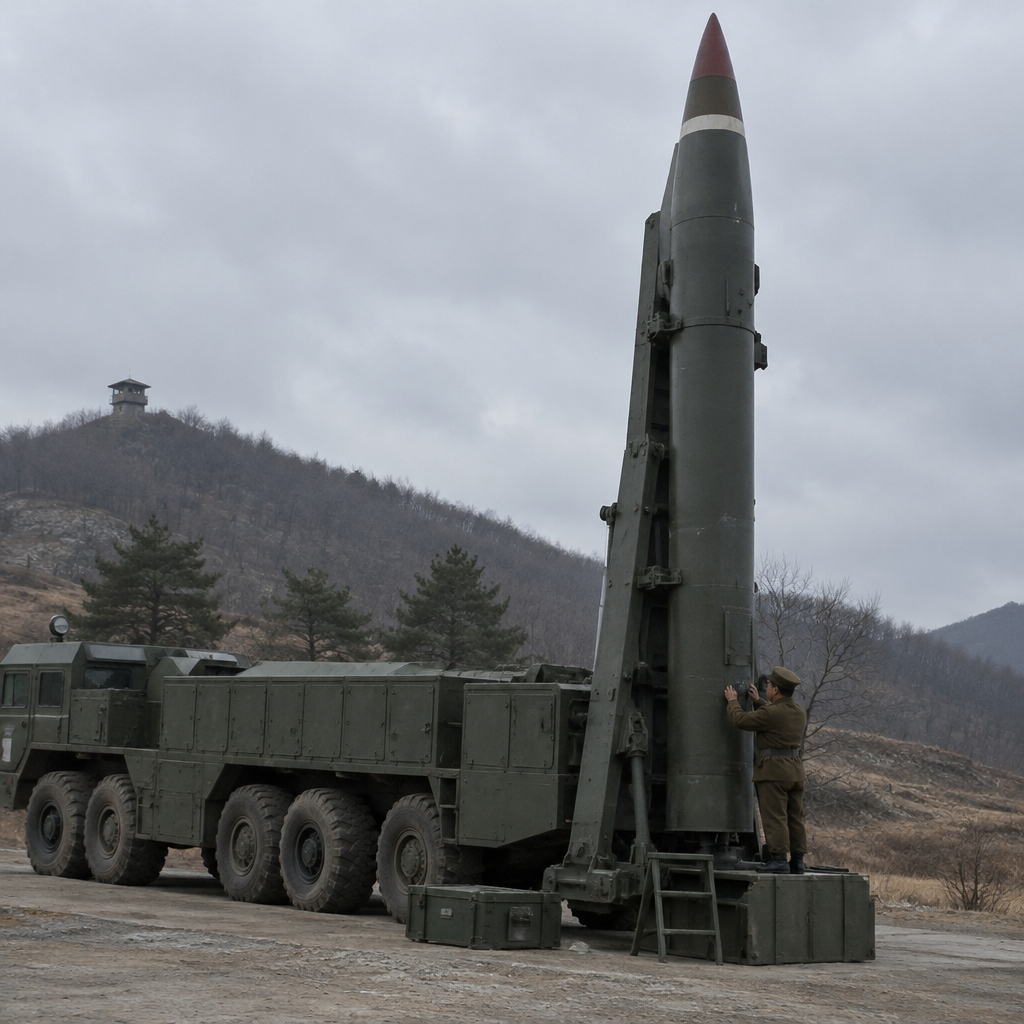
On 20 September, North Korea tested a new missile described by the Korea Central News Agency (KCNA) only in a photo caption as the “Hwasongpho-11Ma-1 flight trajectory.” South Korean security analysts interpret this as an upgraded version of the Hwasong-11MA first showcased in 2025. Analysts say the weapon “combines a KN-23, or Hwasong-11Ga, missile body with a hypersonic glide vehicle-type terminal section,” calling it “a long-range precision-strike weapon designed to penetrate missile defences through manoeuvrability while striking targets several hundred kilometres away.”
3 October: a disputed hypersonic claim and Kim Yo Jong’s assertions
Two weeks later, on 3 October, KCNA characterised a launch into the Sea of Japan as another hypersonic missile test and claimed the missile struck a target 1,000 km away. South Korea and Japan, however, suggested the actual range was smaller. Kim Yo Jong said the missile could “manoeuvre at low altitude and incorporated unspecified artificial intelligence capabilities intended to complicate interception,” and added that “whenever we applied the wavelike trajectory mode to missiles, the enemy failed to track the targets from their first skip points.” She also described the missile as “strategic,” a term the source notes implies design for nuclear delivery.

The cyber insurance questionnaire just landed. Now what?
SOC 2, HIPAA, insurance renewals - someone has to own security strategy. Nubivance provides fractional CISO leadership without the full-time salary.
Get a security lead12–14 October: multiple ballistic launches and submarine-launched cruise missiles
On 12 October, North Korea reportedly launched multiple ballistic missiles of different types off its east coast, with South Korea’s Joint Chiefs of Staff reporting at least one type flew more than 900 km. Then on 14 October, KCNA credited a test-firing of two kinds of submarine-launched cruise missiles. Those missiles appear to have been launched from the Hero Kim Kun Ok, a submarine launched in 2023. The source records scepticism about that platform’s capability, but stresses that if an operational submarine was the launch platform rather than a testbed, the capability should be treated seriously.
Russian links: payments, parts, propulsion and drones
Several analysts and studies cited in the reporting link North Korea’s rapid technical advances to a closer Pyongyang–Moscow relationship. The source says North Korea extended military assistance to Moscow following the invasion of Ukraine and, in return, obtained economic benefits and access to military technologies. According to the South Korean think tank, most of the more-than-$10 billion figure came not as cash but as sensitive military technology, weapon parts or other materials.
Studies noted that Russian companies Novator and Raduga could be assisting North Korea to advance new cruise missiles in the Hwasal family. South Korean military intelligence, and South Korean Defence Minister Ahn Gyu-back at an October 2025 parliamentary Defense Committee hearing, have hinted that Russia may have supplied submarine nuclear propulsion technology. Although that intelligence has not been independently verified, the reporting says there is a “reasonable suspicion” that Moscow may have supplied two or three propulsion sets from decommissioned Russian nuclear submarines. Some reports also indicate possible transfers of submarine noise-suppression technology.
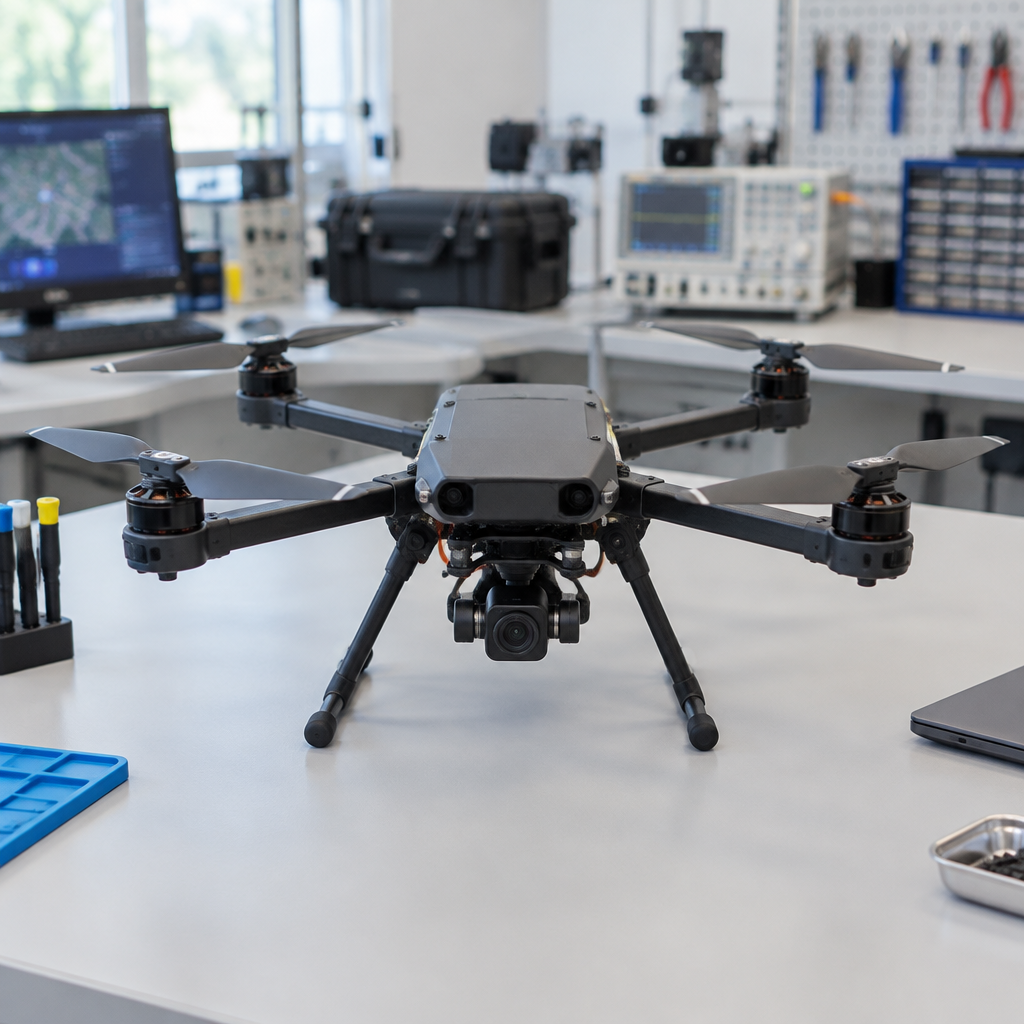
Beyond propulsion and missiles, the source records that Russia is known to have shared drone technology with North Korea. Reporting voices a concern that Pyongyang could gain access to more advanced, AI-enabled, jet-powered drones such as the Geran-5, and notes that North Korea’s Geumseong series tactical attack drones “bear a close resemblance to Russian (and Israeli) types,” which “raises the strong possibility of Russian technology transfers to North Korea.”
What this means for South Korea, Japan, and security analysts
- South Korea and Japan: will continue to scrutinise claimed ranges and flight profiles — including the disputed 1,000 km assertion — and treat any operational submarine-launched capability, if confirmed, as a significant escalation in maritime strike options.
- Security analysts and military planners: will watch for concrete signs of Russian-origin parts or propulsion systems (including the possible two or three submarine propulsion sets) and for indicators of Novator or Raduga involvement in Hwasal-family development.
- Regional defence communities: will note the reported scale of transfers — “more than $10 billion” worth of benefit to Pyongyang — and the suggestion that much of that value was paid in technology and parts rather than currency.
The immediate record is specific on launches and on a pattern of Russian–North Korean interaction: tests in late September and October, claims of hypersonic and manoeuvring capability, submarine-launched cruise missiles credited to an operational sub, and repeated reporting that Moscow supplied advanced technologies in exchange for Pyongyang’s military assistance. If Russian technical backing is confirmed, the paper’s throughline is clear: a tightening Moscow–Pyongyang partnership would materially increase the pace and scale of North Korean missile advances. Verifying the provenance of propulsion sets, the involvement of named Russian companies, and the true flight characteristics of the recent tests will determine how much worse this flurry of launches can get.