Russia Deploys New BMP-3 Infantry Fighting Vehicles to Frontlines
Overview
The recent deployment of new BMP-3 infantry fighting vehicles (IFVs) by Russia marks a significant development in the ongoing military engagements in Eastern Europe. As the conflict continues to evolve, the introduction of these enhanced vehicles not only reflects Russia’s commitment to modernizing its military capabilities but also raises critical questions about the implications for regional security dynamics. Stakeholders, including military strategists, policymakers, and defense analysts, must consider how this deployment affects the balance of power and the strategic calculations of both allies and adversaries.
Background & Context
The BMP-3, a Soviet-era design that has undergone various upgrades, has been a staple of Russian ground forces since its introduction in the late 1980s. Its recent enhancements, as reported by the Russian state defense conglomerate Rostec, include supplemental armor kits and slat armor screens designed to counter modern anti-tank threats. This modernization effort is particularly relevant in the context of the ongoing conflict in Ukraine, where armored vehicles have faced significant challenges from advanced anti-tank systems.
Historically, the BMP-3 has been deployed in various conflicts, showcasing its versatility and effectiveness in urban and open terrain. The current geopolitical climate, characterized by heightened tensions between NATO and Russia, necessitates a reevaluation of military assets and strategies. The timing of this deployment suggests a strategic response to perceived threats and an effort to bolster Russia’s military posture in the region.

The cyber insurance questionnaire just landed. Now what?
SOC 2, HIPAA, insurance renewals - someone has to own security strategy. Nubivance provides fractional CISO leadership without the full-time salary.
Get a security leadCurrent Landscape
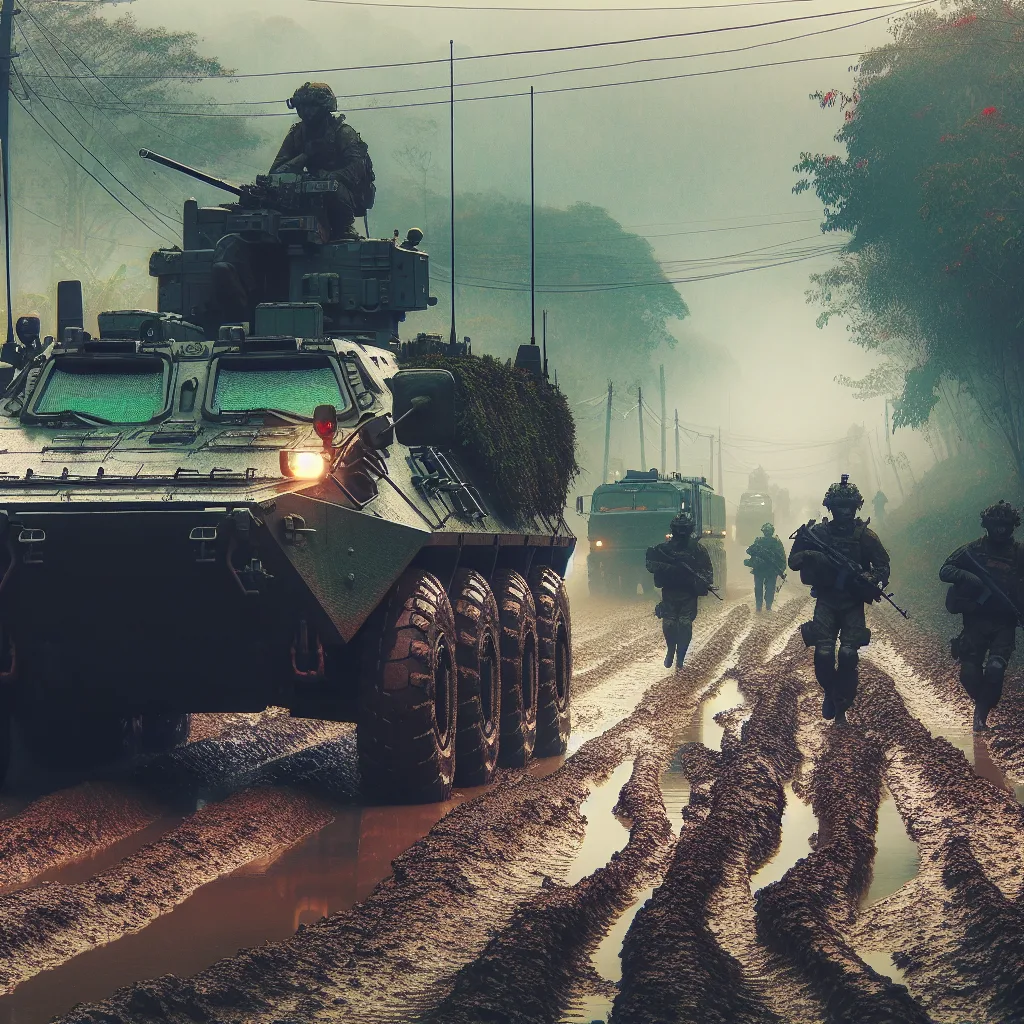
As of now, the Russian military has received a fresh batch of BMP-3s, which are equipped with several enhancements aimed at improving their battlefield performance. Key features of the upgraded BMP-3 include:
- Supplemental Armor Kits: These kits provide additional protection against modern anti-tank weapons, which have become increasingly prevalent in contemporary warfare.
- Slat Armor Screens: Designed to deflect or mitigate the impact of shaped charges, slat armor enhances the survivability of the vehicle against direct fire.
- Quickly Detachable Components: This feature allows for rapid field modifications, enabling the vehicle to adapt to various combat scenarios.
These enhancements are not merely cosmetic; they represent a strategic shift in how Russia intends to engage in future conflicts. The BMP-3’s deployment is part of a broader trend of modernization within the Russian military, which has been accelerated by the lessons learned from recent engagements in Ukraine and Syria.
Strategic Implications
The deployment of the BMP-3 carries several strategic implications that extend beyond the immediate battlefield. Firstly, it signals Russia’s intent to maintain a robust military presence in contested regions, thereby reinforcing its deterrent posture against NATO and other adversaries. The enhanced capabilities of the BMP-3 may embolden Russian forces, potentially leading to more aggressive tactics in ongoing conflicts.
Moreover, the introduction of these vehicles could influence the military strategies of neighboring countries. For instance, Ukraine and its allies may need to reassess their own military capabilities and consider investing in countermeasures against the upgraded BMP-3s. This could lead to an arms race in the region, as nations seek to enhance their defensive and offensive capabilities in response to perceived threats.
Additionally, the BMP-3’s deployment may have broader geopolitical ramifications. As Russia continues to modernize its military, it may seek to leverage its enhanced capabilities in diplomatic negotiations, using military strength as a bargaining chip in discussions with Western powers. This dynamic could complicate efforts to achieve a peaceful resolution to ongoing conflicts and may lead to increased tensions in international relations.
Expert Analysis
From an analytical perspective, the deployment of the BMP-3 can be seen as a calculated move by the Russian military to project strength and adaptability in a rapidly changing security environment. The enhancements to the BMP-3 reflect a recognition of the evolving nature of warfare, where traditional armored vehicles must contend with advanced anti-tank systems and asymmetric threats.
Experts suggest that this modernization effort is indicative of a broader trend within the Russian military to prioritize survivability and versatility. The ability to quickly adapt vehicles for different combat scenarios may provide Russian forces with a tactical advantage, allowing them to respond more effectively to the complexities of modern warfare.
However, it is essential to consider the potential limitations of the BMP-3, even with its upgrades. While the vehicle offers enhanced protection and firepower, it may still be vulnerable to coordinated attacks from well-equipped adversaries. The effectiveness of the BMP-3 in future engagements will depend not only on its technical capabilities but also on the operational context in which it is deployed.
Recommendations or Outlook
In light of the BMP-3’s deployment and the evolving security landscape, several recommendations emerge for policymakers and military strategists:
- Enhance Countermeasures: NATO and allied forces should prioritize the development and deployment of advanced anti-tank systems to counter the enhanced capabilities of the BMP-3.
- Invest in Intelligence and Surveillance: Improved intelligence-gathering capabilities will be crucial for understanding Russian military movements and intentions, allowing for more informed strategic decisions.
- Strengthen Alliances: Collaborative defense initiatives among NATO members can help to create a unified response to potential threats posed by modernized Russian forces.
- Engage in Diplomatic Efforts: While military preparedness is essential, diplomatic channels must remain open to mitigate tensions and seek peaceful resolutions to conflicts.
Looking ahead, the deployment of the BMP-3 may serve as a catalyst for further military innovations within Russia and its adversaries. The ongoing arms race in Eastern Europe could lead to a cycle of escalation, where each side seeks to outpace the other in terms of technological advancements and military capabilities.
Conclusion
The deployment of new BMP-3 infantry fighting vehicles by Russia is a significant development that underscores the complexities of modern warfare and the evolving nature of military engagements. As stakeholders navigate this changing landscape, it is crucial to recognize the implications of such deployments on regional security dynamics and international relations. The challenge lies not only in understanding the capabilities of these vehicles but also in anticipating the strategic responses they may provoke. As we move forward, one must ponder: how will the balance of power shift in response to these advancements, and what does this mean for the future of conflict in Eastern Europe?