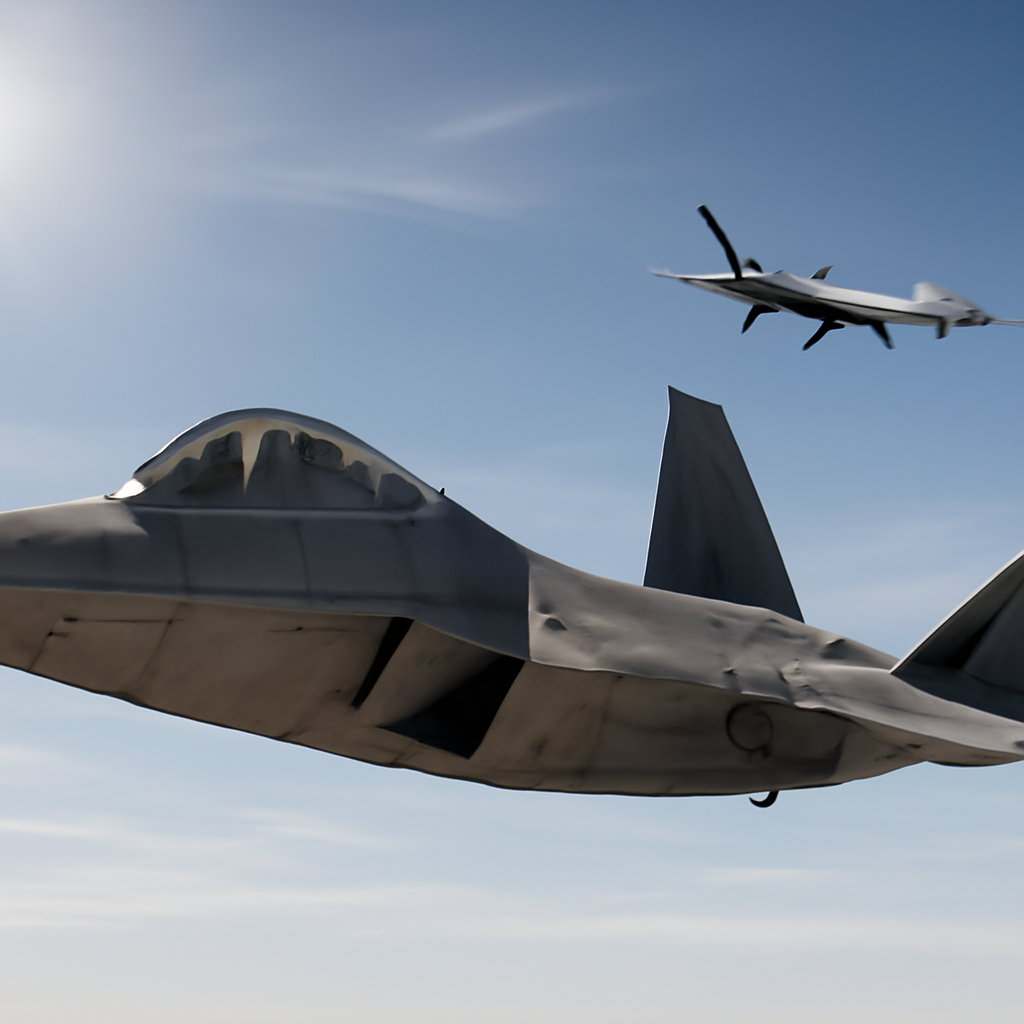
New Defense Frontier: Rheinmetall and Anduril Partner to Manufacture Combat Drones in Europe
In a move that marks a significant pivot in European defense strategy, German defense manufacturer Rheinmetall has announced a groundbreaking partnership with U.S.-based Anduril Industries. This alliance is set to focus on the development of autonomous air systems tailored specifically for European security needs. As tensions continue to rise in various global theaters, the implications of this collaboration may reverberate throughout the NATO alliance and beyond.
The joint initiative was unveiled through a press release detailing an ambitious plan that revolves around several critical areas, particularly the integration of a European variant of Anduril’s Barracuda drone. This decision comes at a time when nations across Europe are reevaluating their defense capabilities against an increasingly uncertain geopolitical landscape.
Historically, Europe has faced challenges in establishing a unified defense posture amid national interests and varying military capabilities. The proliferation of advanced technologies has compelled European nations to invest heavily in modernizing their armed forces. The partnership between Rheinmetall and Anduril is emblematic of this shift, as it seeks to harness innovative solutions to address contemporary security challenges.
Currently, both companies are poised to leverage their respective strengths: Rheinmetall’s extensive manufacturing experience and established supply chains within Europe, combined with Anduril’s cutting-edge technological expertise in unmanned systems. According to a spokesperson from Rheinmetall, this collaboration is expected not only to bolster defense capabilities but also to drive economic growth within the region through job creation and technological advancement.
This partnership matters significantly for several reasons:
- Enhancing Defense Readiness: As threats evolve, so too must the tools designed to counter them. The integration of drones like the Barracuda offers European nations enhanced surveillance and combat capabilities that are crucial for modern warfare.
- Strategic Autonomy: By developing indigenous capabilities through this partnership, Europe moves closer to achieving strategic autonomy in its defense policy—a critical objective underscored by leaders during recent NATO summits.
- Strengthening Transatlantic Ties: This venture highlights the ongoing collaboration between American innovation and European industrial expertise, reinforcing transatlantic ties essential for collective security efforts.
Experts have weighed in on the potential impact of this strategic alliance. Dr. Klaus Müller, a military strategist based in Berlin, suggests that “this partnership represents a critical step forward for European defense industry capabilities. By combining Rheinmetall’s production prowess with Anduril’s innovative technologies, we can expect advancements that will significantly alter the landscape of aerial combat operations.” Such insights underline the importance of collaboration amidst rising tensions across various regions including Eastern Europe and the Mediterranean.
As these developments unfold, several dynamics will be essential to monitor:
- Technological Advancements: Watch for rapid iterations in drone technology as both companies push for innovations that could redefine operational roles on the battlefield.
- Regulatory Considerations: Observe how policymakers navigate the complexities surrounding military drone operations and implications under international law.
- Market Response: The reaction from other defense contractors and European governments could reshape competitive dynamics within the sector.
The announcement has already sparked discussions among NATO members regarding operational integration and budget allocations. As nations reassess their strategic positions amid external pressures—from Russian maneuvers in Eastern Europe to instability in North Africa—this partnership represents not just technological progress but also an urgent response to these evolving threats.
The trajectory of this collaboration will be pivotal. If executed successfully, it promises not only enhanced military readiness but also economic revitalization through increased local manufacturing jobs—a dual benefit that appeals to both security experts and policymakers alike. Yet one must ponder: will this initiative adequately prepare Europe for the complexities of modern warfare? Only time will tell whether this partnership will fulfill its ambitious objectives or serve as merely another chapter in Europe’s long history of military realignment.