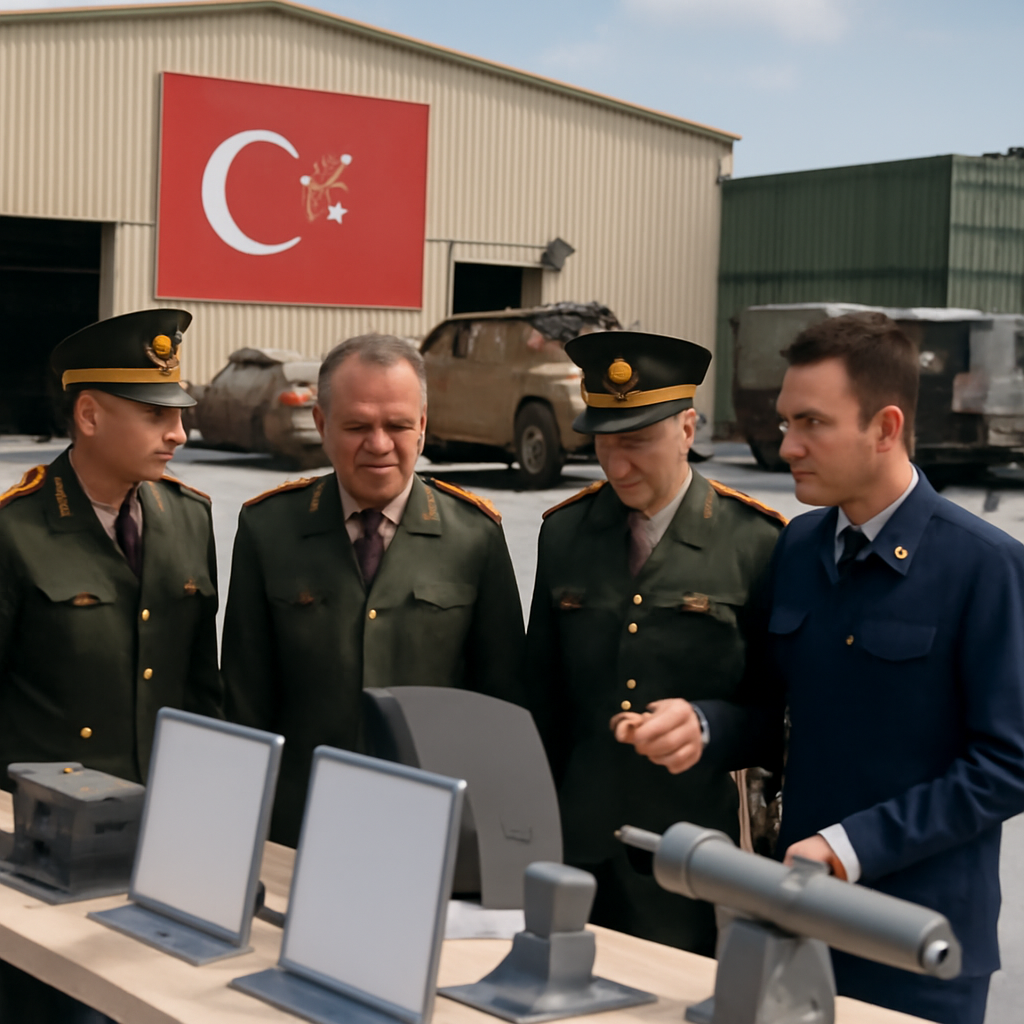
Raytheon Partners with Nammo and Northrop to Enhance Rocket Motor Supply Chain
Overview
The recent partnership between Raytheon, Nammo, and Northrop Grumman marks a significant development in the defense sector, particularly in the realm of missile technology. This collaboration aims to enhance the supply chain for the MK72 solid rocket motor, a vital component of the Standard Missile family utilized by the U.S. Navy and allied forces. The implications of this partnership extend beyond mere production capabilities; they touch on national security, technological innovation, and geopolitical dynamics. As global tensions rise and defense budgets fluctuate, the ability to efficiently produce and supply critical military components becomes paramount.
Background & Context
The MK72 solid rocket motor has been a cornerstone of U.S. naval defense systems for decades. Its reliability and performance are crucial for the effectiveness of various missile systems, including the Standard Missile-2 (SM-2) and Standard Missile-6 (SM-6). Historically, the U.S. has relied on a complex network of suppliers to ensure the availability of these components. However, recent geopolitical tensions, particularly with adversaries like China and Russia, have underscored the need for a more resilient and responsive supply chain.
Raytheon, a subsidiary of RTX, has recognized this urgency and has taken proactive steps to secure its supply chain by partnering with Nammo, a Norwegian defense company, and Northrop Grumman, a major player in aerospace and defense. This collaboration is not merely a response to current demands but a strategic move to future-proof the U.S. military’s capabilities in an increasingly competitive global landscape.

The cyber insurance questionnaire just landed. Now what?
SOC 2, HIPAA, insurance renewals - someone has to own security strategy. Nubivance provides fractional CISO leadership without the full-time salary.
Get a security leadCurrent Landscape
The defense industry is currently navigating a complex environment characterized by rapid technological advancements and shifting geopolitical alliances. The U.S. Department of Defense (DoD) has emphasized the importance of innovation and efficiency in defense procurement, leading to increased scrutiny of supply chains. The COVID-19 pandemic further exposed vulnerabilities in global supply chains, prompting defense contractors to reassess their strategies.
In this context, Raytheon’s decision to engage Nammo and Northrop Grumman is a calculated response to these challenges. The partnership aims to leverage Nammo’s expertise in solid rocket propulsion and Northrop Grumman’s advanced manufacturing capabilities. This collaboration is expected to streamline production processes, reduce costs, and enhance the overall reliability of the MK72 motor.
Moreover, the U.S. Navy’s increasing reliance on advanced missile systems necessitates a robust supply chain that can adapt to evolving threats. The integration of cutting-edge technologies, such as additive manufacturing and digital engineering, into the production of rocket motors is a key focus area for this partnership.
Strategic Implications
The implications of this partnership extend far beyond the immediate production of rocket motors. Firstly, it enhances the U.S. military’s operational readiness by ensuring a steady supply of critical components. This is particularly important as the Navy seeks to modernize its fleet and enhance its deterrence capabilities in the face of rising global threats.
Secondly, the collaboration signals a shift towards greater collaboration between defense contractors and international partners. By engaging Nammo, a European company, Raytheon is not only diversifying its supply chain but also fostering transatlantic defense cooperation. This is crucial in an era where defense strategies are increasingly interconnected across borders.
Furthermore, the partnership has the potential to drive innovation in missile technology. By pooling resources and expertise, Raytheon, Nammo, and Northrop Grumman can accelerate the development of next-generation propulsion systems that may offer enhanced performance and efficiency. This could lead to a competitive advantage for the U.S. military in future conflicts.
Expert Analysis
From an analytical perspective, this partnership can be viewed as a strategic maneuver to mitigate risks associated with supply chain disruptions. The defense industry has historically been susceptible to fluctuations in global markets, and the COVID-19 pandemic has only exacerbated these vulnerabilities. By diversifying its supplier base and investing in domestic production capabilities, Raytheon is positioning itself to navigate potential future crises more effectively.
Moreover, the collaboration reflects a broader trend in the defense sector towards increased collaboration and integration among contractors. As the complexity of modern warfare evolves, the need for seamless interoperability between different systems and platforms becomes paramount. This partnership could serve as a model for future collaborations within the industry, fostering a culture of innovation and shared responsibility.
However, it is essential to remain cautious about potential pitfalls. The defense industry is often characterized by bureaucratic inefficiencies and regulatory hurdles that can impede progress. Ensuring that this partnership translates into tangible outcomes will require strong leadership and a commitment to overcoming these challenges.
Recommendations or Outlook
Looking ahead, several actionable steps can be taken to maximize the potential of this partnership:
- Invest in R&D: Allocate resources towards research and development initiatives that focus on next-generation propulsion technologies. This will not only enhance the performance of the MK72 motor but also position Raytheon as a leader in missile technology.
- Enhance Supply Chain Resilience: Continuously assess and diversify the supply chain to mitigate risks associated with geopolitical tensions and market fluctuations. This includes exploring partnerships with additional international suppliers.
- Foster Collaboration: Encourage collaboration between defense contractors, government agencies, and academic institutions to drive innovation and share best practices in missile technology development.
- Monitor Regulatory Changes: Stay abreast of regulatory changes that may impact defense procurement and production processes. Proactively engage with policymakers to advocate for streamlined processes that facilitate innovation.
Conclusion
The partnership between Raytheon, Nammo, and Northrop Grumman represents a pivotal moment in the defense sector, with far-reaching implications for national security and technological innovation. As the global landscape continues to evolve, the ability to adapt and innovate will be crucial for maintaining a competitive edge. This collaboration not only enhances the supply chain for critical military components but also sets a precedent for future partnerships in the defense industry. As we move forward, one must consider: how can the defense sector continue to evolve in response to emerging threats while fostering collaboration and innovation?