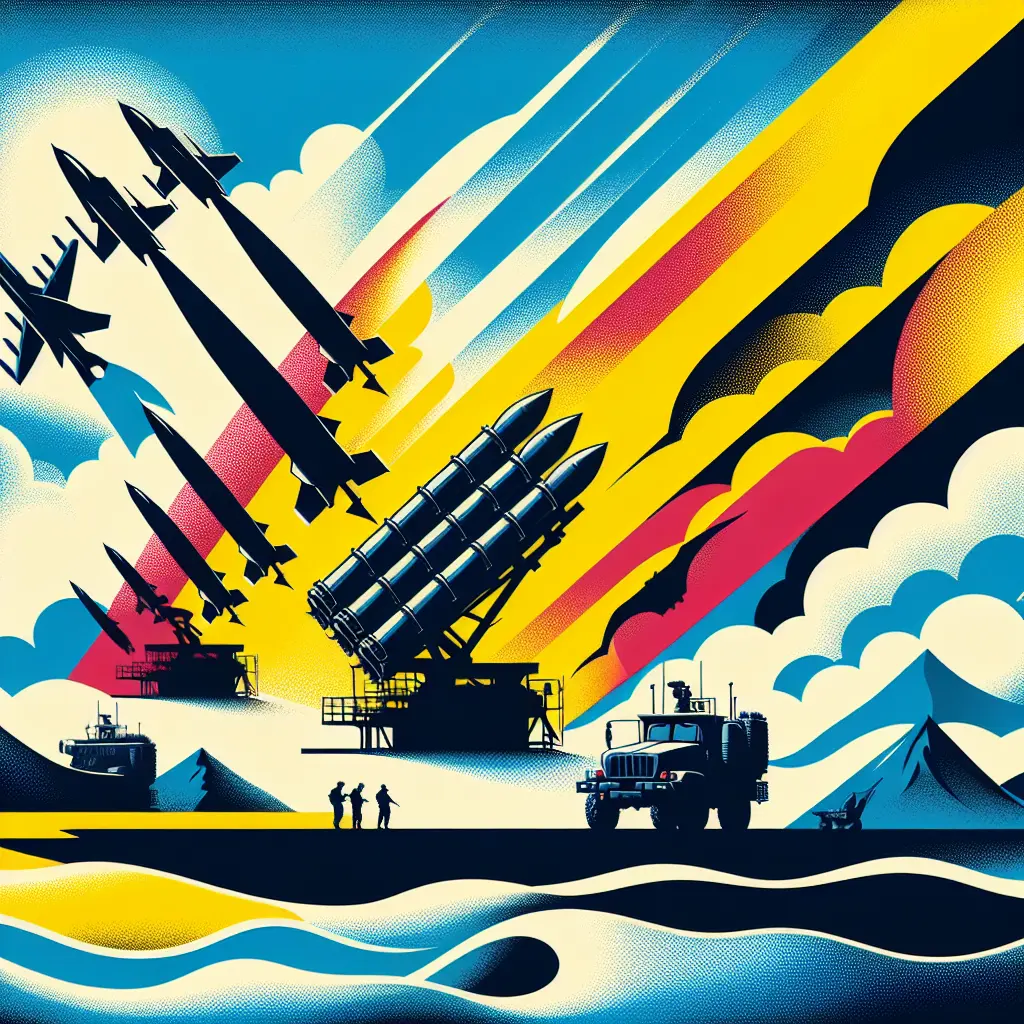
Romania Bolsters Air Defense: Rafael’s Advanced Systems Take Center Stage
In a significant strategic development for Eastern European security, Romania has officially selected Israel’s Rafael Advanced Defense Systems to provide a new Very Short and Short Range Air Defense (V/SHORAD) system. This decision comes in the wake of heightened geopolitical tensions and underlines Romania’s commitment to strengthening its military capabilities in an increasingly uncertain global landscape. But what does this acquisition signify for regional stability and defense readiness?
The backdrop to this decision is rooted in a broader context of security imperatives that have dominated Eastern Europe since Russia’s annexation of Crimea in 2014. As NATO members reassess their defense strategies, Romania has been particularly vocal about enhancing its military infrastructure. With an eye on the evolving threats posed by drone technology and missile systems, Romanian authorities embarked on a rigorous procurement process aimed at modernizing their air defense arsenal.
According to an official press release from Romania’s Ministry of National Defence, the Directorate General for Armaments, through state-owned CN Romarm, played a pivotal role in facilitating this evaluation process. The selection of Rafael follows several months of competitive assessments, during which various international defense contractors were considered. The announcement comes amid ongoing discussions within NATO regarding collective defense strategies and resource allocations in response to shared threats.
The V/SHORAD system is expected to enhance Romania’s capacity to counter aerial threats effectively, particularly those posed by unmanned aerial vehicles (UAVs) and low-flying missiles. In light of recent conflicts demonstrating the efficacy of such technologies—most notably in Ukraine—the importance of robust air defense cannot be overstated. Furthermore, this procurement aligns with NATO objectives aimed at ensuring interoperability among member nations’ military assets.
This deal is not just a transaction; it represents a shift in how Romania perceives its own security needs against the backdrop of regional dynamics. By integrating advanced systems like Rafael’s into its military framework, Romania signals its intent not only to safeguard its own territory but also to contribute meaningfully to NATO’s collective defense posturing. This investment reflects a proactive approach to national defense—one that seeks not only advanced technology but also operational readiness.
Experts emphasize that the implications extend beyond mere hardware acquisition. The collaboration between Romania and Israel could pave the way for deeper bilateral ties in defense technology and strategic cooperation. Such partnerships are essential as countries navigate complex security landscapes characterized by both traditional state adversaries and non-state actors employing asymmetric warfare tactics.
In analyzing why this matters from various stakeholders’ perspectives, several points emerge:
- NATO Policy Makers: The integration of Rafael’s systems into Romania strengthens NATO’s eastern flank and reinforces collective deterrence against potential aggressors.
- Military Operators: Romanian forces will gain access to cutting-edge air defense capabilities, significantly improving their operational readiness against airborne threats.
- Civil Society: Citizens may feel reassured by government actions that prioritize national security amid fears surrounding regional instability.
- Defense Contractors: A successful contract for Rafael could lead to further opportunities within European markets as other nations look to bolster their air defenses.
The road ahead will likely involve close collaboration between Romanian forces and Rafael Advanced Defense Systems as they work towards system integration and operational training. Analysts suggest that observers should monitor how these developments unfold within the broader context of NATO discussions on air defense frameworks—especially as allied nations continue grappling with how best to respond to evolving threats.
This acquisition invites reflection on broader themes concerning military preparedness, international collaboration, and the future shape of European security architectures. As Romania embarks on this new chapter with Rafael’s advanced systems at the helm, one must ask: Are we witnessing just the beginning of a more robust collective defense posture across Eastern Europe? The stakes are high, as history teaches us that preparedness can often mean the difference between peace and conflict.



