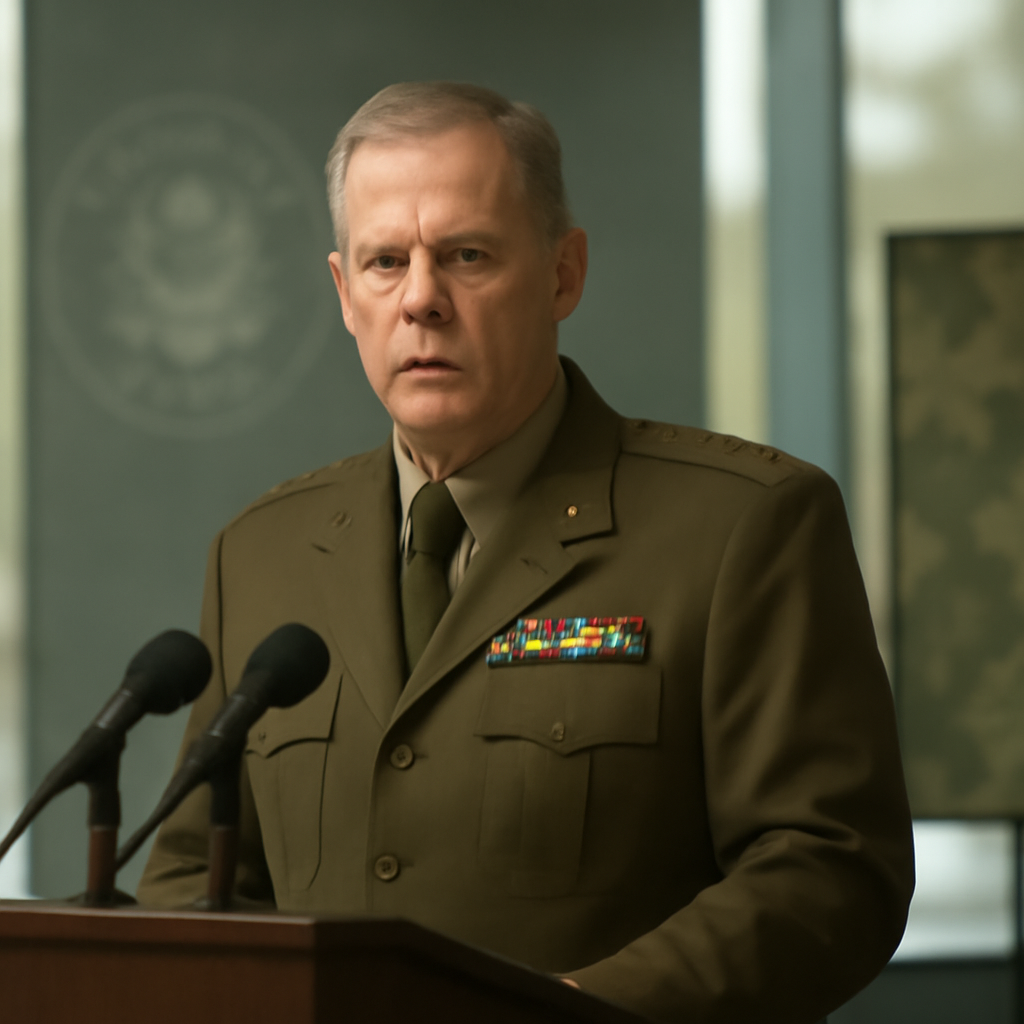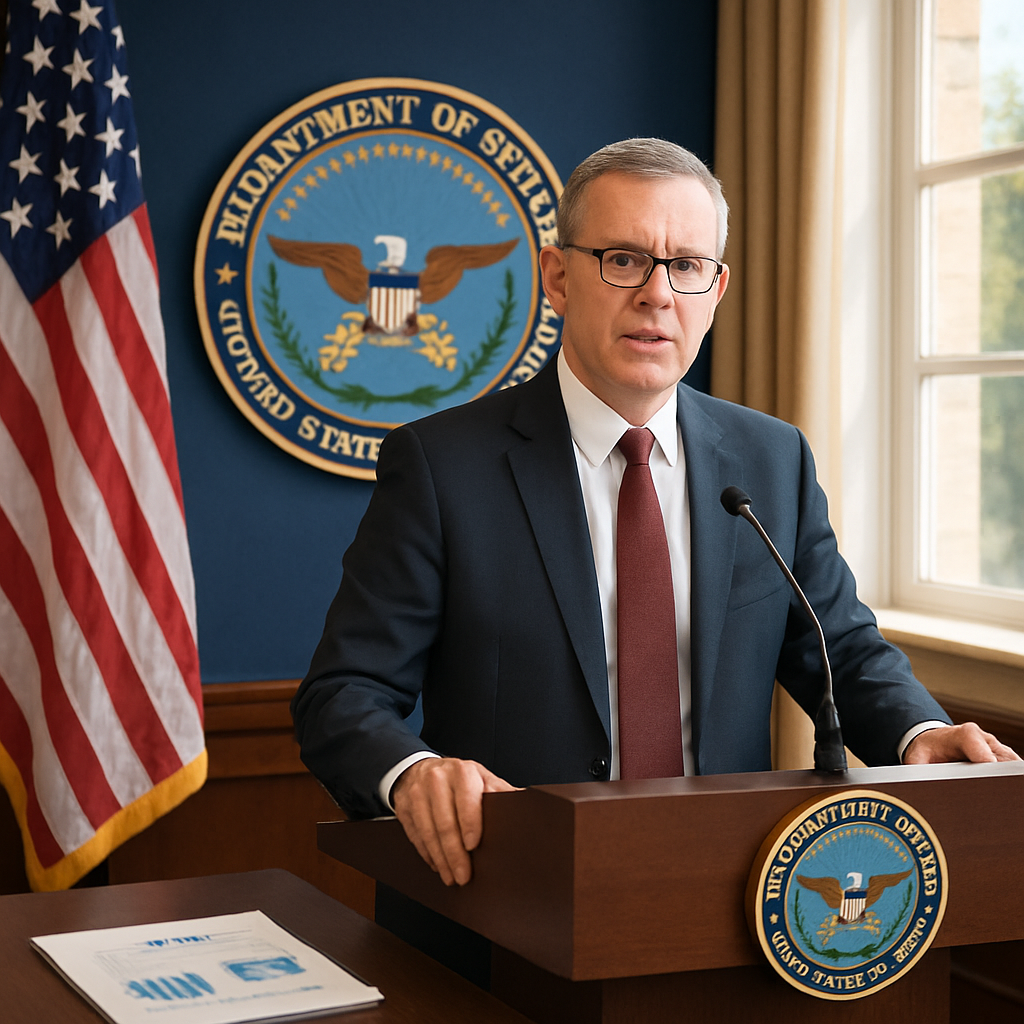
"The Defense Department has spent an estimated $25 billion in 60 days of operations against Iran so far," the Pentagon’s comptroller told the House Armed Services Committee Wednesday.
Pentagon comptroller's $25 billion estimate and the immediate budgetary response
Jay Hurst, the official performing the duties of the Pentagon’s chief financial officer, told House Armed Services Committee members that the Defense Department has spent about $25 billion in the first 60 days of operations against Iran. He said the administration plans to send a supplemental budget request to Congress to cover expended munitions and operational costs "once they’re more fully fleshed out." Hurst made the remarks during testimony on the department’s 2027 budget request.
How the $1.5 trillion fiscal year 2027 proposal frames the war costs
House Armed Services Committee Chairman Rep. Mike Rogers, D-Ala., described the department’s $1.5 trillion defense spending proposal for fiscal year 2027 as "the first time in over 40 years, we've been presented a budget that accounts for the true cost of American deterrence." Rogers said increases in acquisition funding, operations, and maintenance balance modernization and readiness, enabling faster fielding of munitions, aircraft, ships, land, space and autonomous systems to "replenish and expand our arsenal."
The package represents, in Rogers’ words, a roughly 50-percent increase over last year’s budget. Committee members pressed whether the Pentagon can effectively absorb that scale of additional funding and how the supplemental tied to the Iran operations will be structured.

The cyber insurance questionnaire just landed. Now what?
SOC 2, HIPAA, insurance renewals - someone has to own security strategy. Nubivance provides fractional CISO leadership without the full-time salary.
Get a security leadLawmakers pressed accountability and strategic clarity — Adam Smith and Jim Garamendi
Rep. Adam Smith, D-Wash., told Hurst, "So if you could get those details over to us, that would be great," after Hurst provided the $25 billion figure and said additional details would follow. Smith used the budget hearing to question whether the Pentagon can absorb large increases in funding without closer scrutiny of how the money will be spent. "We need to pay as much attention to how we're spending the money as to how much we're spending," he said.
Rep. Jim Garamendi, D-Calif., distinguished between the service members' performance and the strategic direction of the conflict: "Their professionalism and selfless service are not in question and never have been. What is in question is the purposes and the strategic direction of this war." Garamendi called the conflict "a geopolitical calamity, a strategic blunder resulting in worldwide economic crisis" and characterized it as "Trump's war of choice."
Defense Secretary Pete Hegseth and the Joint Chiefs chairman face Congress for the first time since Feb. 28
The hearing marked the first public congressional question-and-answer session for Defense Secretary Pete Hegseth and Gen. Dan Caine, the chairman of the Joint Chiefs of Staff, since Operation Epic Fury began Feb. 28. Hegseth pushed back at critics who described the operation as a "quagmire," telling lawmakers, "The way you stain the troops when you tell them—two months in, Congressman—you should know better. Shame on you calling this a quagmire, two months into the effort."
Hegseth also framed battlefield successes as opening "strategic opportunities" and defended the president's decision-making as "the courage of a president to confront a nuclear Iran," while accusing critics of handing propaganda to U.S. adversaries.
What this means for the House Armed Services Committee, the Pentagon, and service members
- House Armed Services Committee members: Expect follow-up requests from the committee for detailed accounting of the $25 billion, and scrutiny over any supplemental sent to Congress to replenish munitions and cover operational costs, as Rep. Adam Smith explicitly asked for those details.
- The Pentagon: Faces pressure to reconcile large near-term expenditures with long-term audit and accounting goals; Hegseth’s prior promise about passing an audit was referenced in the hearing in light of a Government Accountability Office finding that groundwork remained insufficient to meet that milestone.
- Service members: Lawmakers uniformly separated assessments of strategy from evaluations of troop performance; Rep. Jim Garamendi emphasized that the "professionalism and selfless service" of service members "are not in question."
The immediate fiscal consequence is concrete: a roughly $25 billion bill for 60 days of operations and a pledge from the administration to request supplemental funding once details on spent munitions and operational costs are finalized. Lawmakers and Pentagon officials left the hearing with starkly different emphases — some pressing for strategic clarity and tighter oversight, others stressing battlefield success and replenishment — but all agreed the budgetary and political implications will play out in the weeks ahead as Congress weighs any supplemental request.