U.S. Military Escalates Presence in the Pacific with Advanced Anti-Ship Missile Deployment
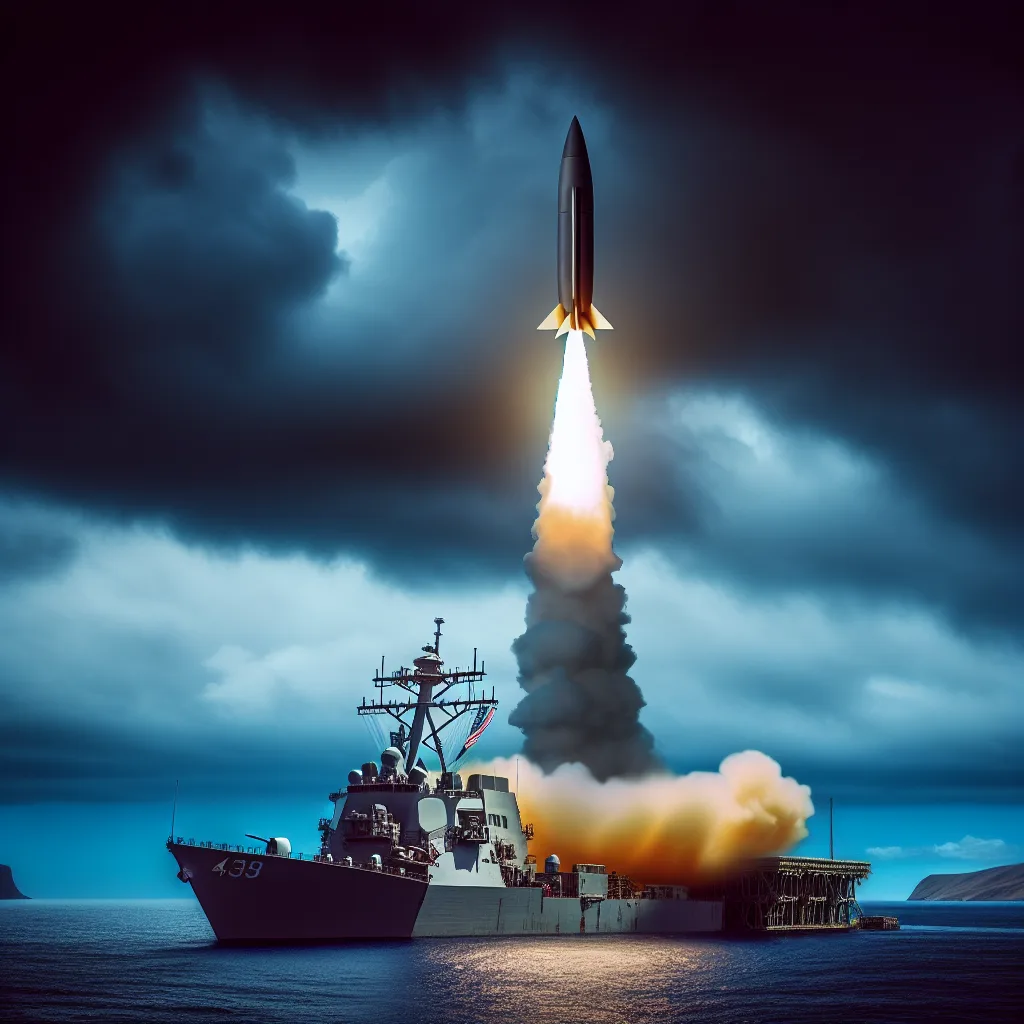
As tensions simmer in the South China Sea and around Taiwan, the United States has taken a significant step in its military strategy by deploying advanced anti-ship missile systems in the region. This move, part of a larger military exercise with the Philippines, raises critical questions about the balance of power in the Pacific and the implications for regional security. With the deployment of the Naval Strike Missile (NSM)-based NMESIS system, the U.S. is not just flexing its military muscle; it is sending a clear message to both allies and adversaries alike.
The backdrop to this deployment is a complex tapestry of historical grievances, territorial disputes, and shifting alliances. The South China Sea, a vital maritime corridor for global trade, has long been a flashpoint for tensions between China and its neighbors, including the Philippines, Vietnam, and Malaysia. The United States, under its commitment to defend its allies, has consistently challenged China’s expansive claims in the region, which it asserts are based on historical rights rather than international law. The 2016 ruling by the Permanent Court of Arbitration, which invalidated China’s claims over much of the South China Sea, has not deterred Beijing, which continues to assert its presence through military installations and naval patrols.
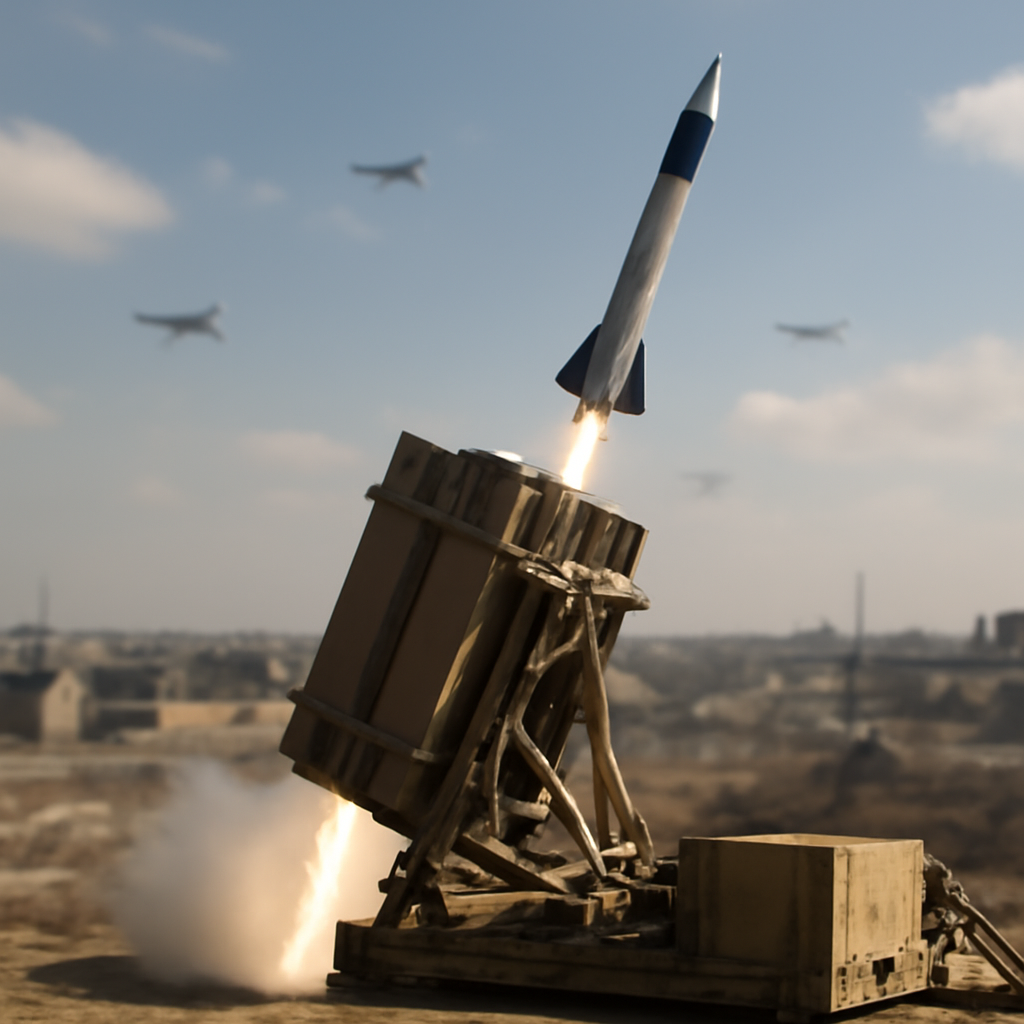
Currently, the deployment of the NMESIS system is being framed within the context of a major military exercise with the Armed Forces of the Philippines. According to reports from Reuters and the Philippine Inquirer, this exercise is designed to enhance interoperability between U.S. and Philippine forces while demonstrating a united front against potential aggression. The NMESIS, which can launch NSM missiles from land-based platforms, is particularly noteworthy for its precision and range, capable of striking targets at distances exceeding 100 nautical miles. This capability not only enhances deterrence but also complicates the operational calculus for any adversary considering aggressive actions in the region.
Why does this matter? The implications of this deployment extend beyond mere military strategy. For the United States, it represents a reaffirmation of its commitment to its allies in the Indo-Pacific, particularly in light of increasing Chinese assertiveness. For the Philippines, it is an opportunity to bolster its defense capabilities while navigating the delicate balance of its relationship with China, which is a significant trading partner. However, the deployment also risks escalating tensions further, as China has already condemned U.S. military activities in the region, viewing them as provocations that threaten its sovereignty.
Experts in international relations and military strategy emphasize the importance of this development. According to Dr. Mira Rapp-Hooper, a senior fellow at the Center for a New American Security, “The deployment of advanced missile systems like the NMESIS is a clear signal to Beijing that the U.S. is prepared to defend its interests and those of its allies. However, it also raises the stakes for miscalculation in an already volatile region.” This perspective underscores the dual-edged nature of military deployments: while they serve as deterrents, they can also lead to unintended escalations if not managed carefully.
Looking ahead, the situation in the Pacific is likely to evolve as both the U.S. and China continue to assert their interests. Observers should watch for potential responses from Beijing, which may include increased naval patrols or military exercises in the region. Additionally, the Philippines’ domestic political landscape will play a crucial role in shaping its defense posture and its relationship with the U.S. The upcoming elections in the Philippines could influence how Manila navigates its security partnerships, particularly in light of public sentiment regarding U.S. military presence.
In conclusion, the deployment of advanced anti-ship missiles by the United States in the Pacific is a significant development that encapsulates the complexities of modern geopolitics. As nations grapple with the realities of power dynamics in the region, one must ponder: how far are we willing to go to ensure security, and at what cost? The stakes are high, and the answers may shape the future of international relations in the Indo-Pacific for years to come.