"The scandal goes to the heart of whether commercial interests have undermined national security policies designed to preserve the United States’ technological and military advantage over China — which is vital for all US allies, including Australia."
Jensen Huang’s reinstatement and the governance question
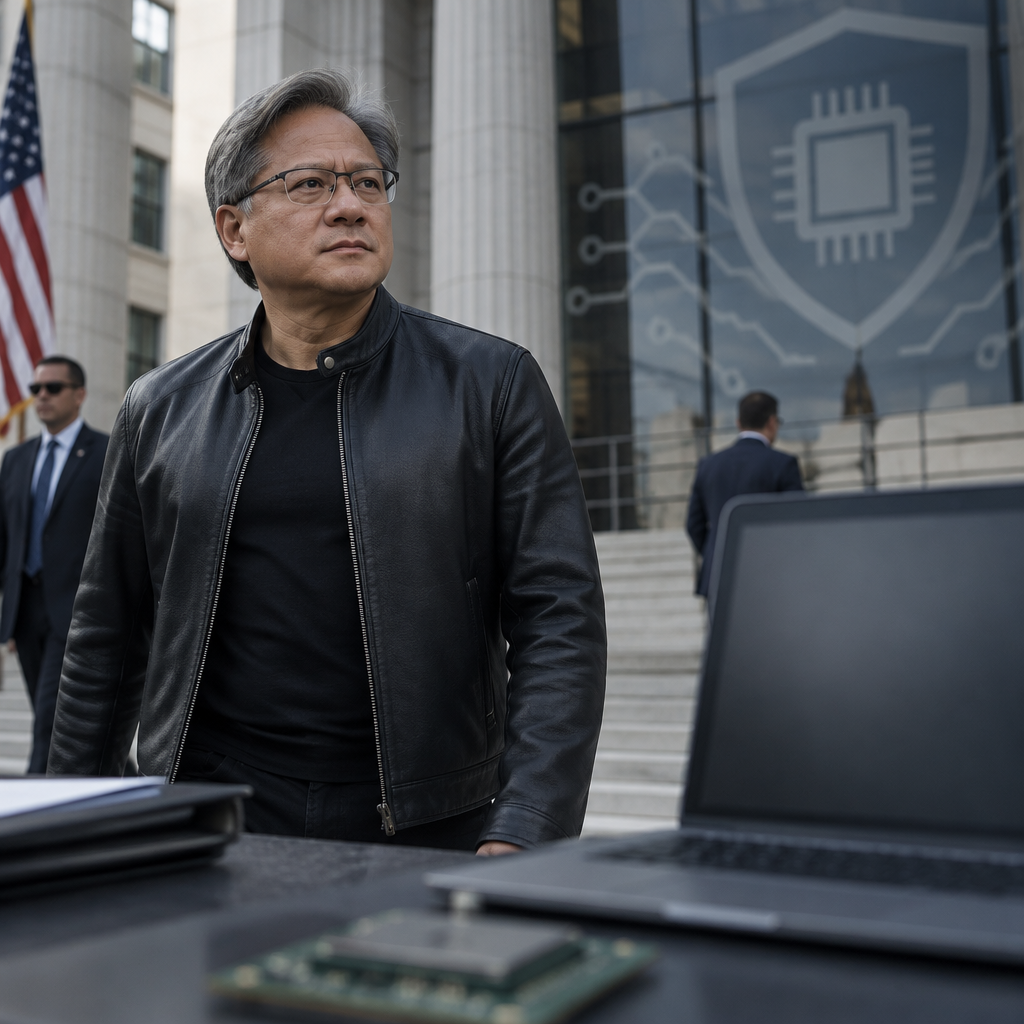
The article describes Jensen Huang’s reinstatement as chief executive of Nvidia as a national security threat. It argues Huang engaged in a romantic relationship with a Chinese business associate who was "at least subject to potential control by China’s state security apparatus and may well have been its active and diligent agent." That relationship, the piece contends, and Huang’s subsequent reinstatement — which it says included a personal intervention by Donald Trump that promoted it — raise urgent concerns about corporate governance at a strategically important company and the integrity of Washington’s decision-making.
Export controls, congressional scrutiny, and enforcement
According to the source, revelations that Nvidia’s advanced chips were reaching China triggered congressional scrutiny, including investigations supported by Republicans. The article says "tighter enforcement of security laws should make it considerably harder for advanced chips to reach China through intermediaries" and that ongoing investigations must establish how export controls failed, who facilitated the diversion of advanced chips, whether Chinese intelligence was involved, and whether commercial interests compromised American national security. It poses the question of whether Huang’s reinstatement signals a return to non-enforcement, and answers that "the congressional investigations and public scrutiny likely mean the answer is no."

This site is the portfolio.
OSINTSights runs on Cloudflare Workers, D1, R2, and Vectorize, with an AI pipeline on Hetzner ARM. Nubivance designed, built, and operates it. We do the same for clients.
See what we buildThree direct national-security risks from advanced chips
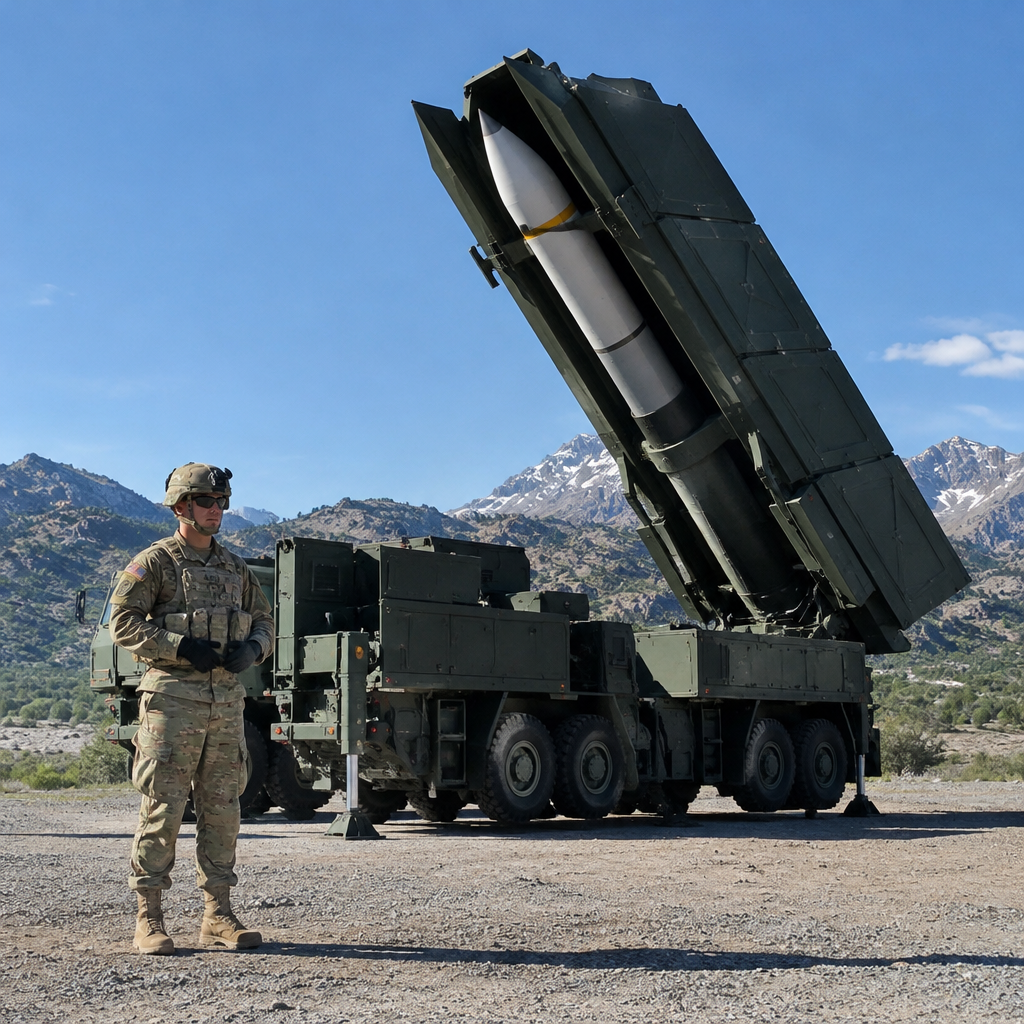
The piece lays out three specific ways the flow of advanced Nvidia chips to China undermines US and allied security. First, it argues advanced computing accelerates China’s military modernisation — including the development of autonomous weapons such as aerial and naval drones — and thus weakens the multi‑billion‑dollar efforts of AUKUS partners Australia, Britain and the United States to answer that challenge. "This means we are investing in military capabilities to defend against military capabilities being developed with American tech," the source warns.
Second, greater computing power strengthens China’s cyber and intelligence capabilities by helping to identify vulnerabilities in Western networks, improving espionage capabilities and facilitating the theft of sensitive information and intellectual property. Third, advanced chips enable Chinese companies and research institutions to train increasingly powerful artificial intelligence models; the article frames the competition to develop frontier AI as "fundamentally a competition between the US and China" and criticises an American company for helping China in that race.
The source notes a technical nuance: unlike stolen state secrets such as weapon performance, "high-performance chips for AI data centres don’t last long: they wear out within years." Even so, it argues, China still seeks whatever computing power it can acquire to accelerate its ambitions.
Made in China 2025, strategic ambitions, and regional consequences
The article cites China’s Made in China 2025 strategy, announced in 2015, as an explicit declaration of ambition to displace the United States as the world’s leading technological and military power. It contends that advanced Nvidia chips "directly support those ambitions," and that the result is a problem not only for the United States but "for all of America’s Asia‑Pacific allies, including Australia, Japan and the Philippines, and for Taiwan." The piece frames the Nvidia episode as evidence that commercial incentives can run counter to alliance security objectives.
How Australia, AUKUS partners, and universities are urged to respond
- Australia: The article recommends Australia review whether any tech companies are helping China’s technological and military‑industrial ecosystem — by supplying dual‑use technologies directly or cooperating in research — and to consider prohibiting any company that chooses to supply China from participating in any aspect of AUKUS.
- AUKUS partners (Australia, Britain, US): It urges allies not to treat the Nvidia scandal as "an internal American affair" and to insist that "national security must not be subordinated to commercial revenue."
- Universities and research organisations: The piece argues that any university or company that supplies China should be barred from AUKUS participation; if their technology is uniquely needed by the security partnership, the article says they "should instead be prohibited from dealing with China."
Beyond these prescriptions, the source stresses a broader point: foreign interference and influence are not confined to governments. Leadership, commercial relationships and governance at strategically important technology companies must be treated as national security matters, a reality the article says "is lacking even in some defence companies, and it is almost non‑existent for businesses that feed advanced dual‑use technology to them."
The Nvidia episode — as described in the source — raises a stark question for allied policy: will commercial ties and individual relationships be allowed to undercut export controls, oversight and alliance cohesion? The article answers by urging tougher enforcement, sustained congressional investigation, and firm allied insistence that national security policy take precedence over commercial revenue.