New Sub-Drone Sonar Trap Concept Revealed at Navy Conference
Overview
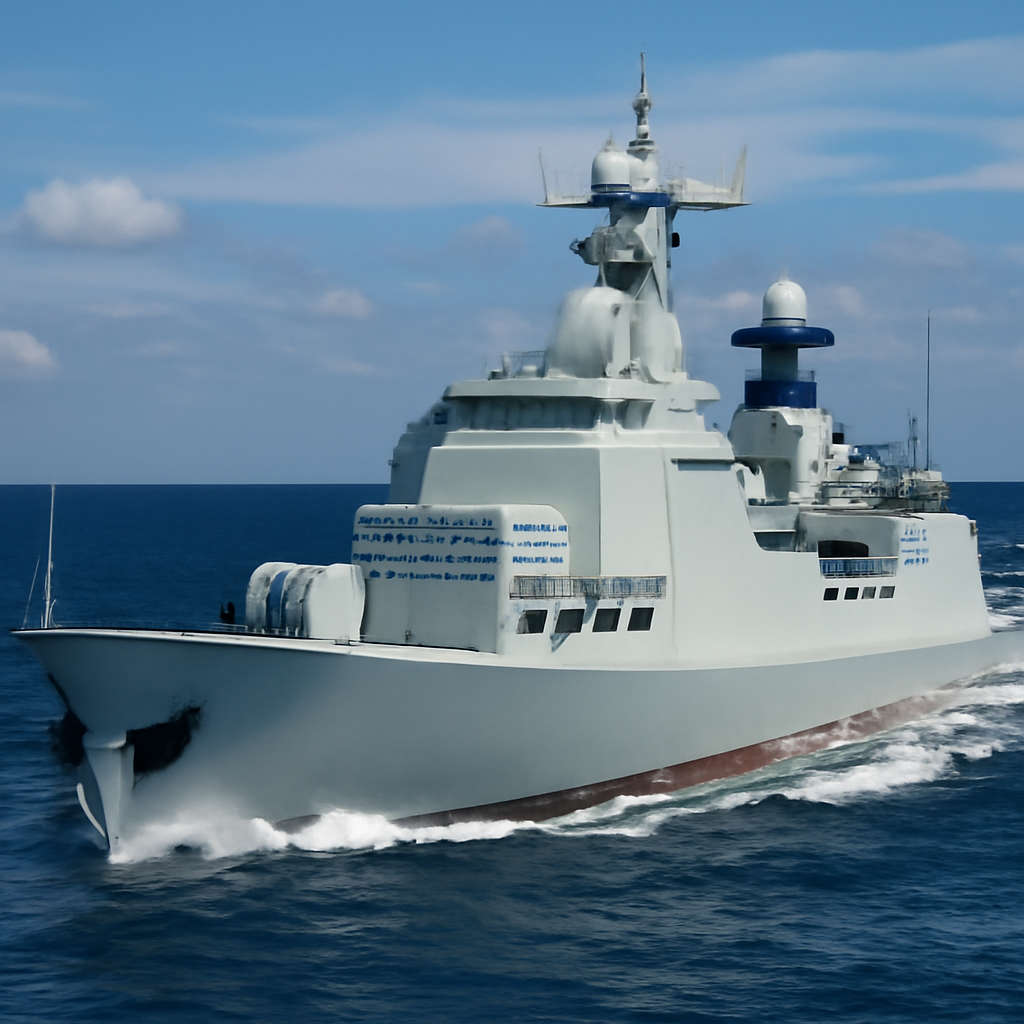
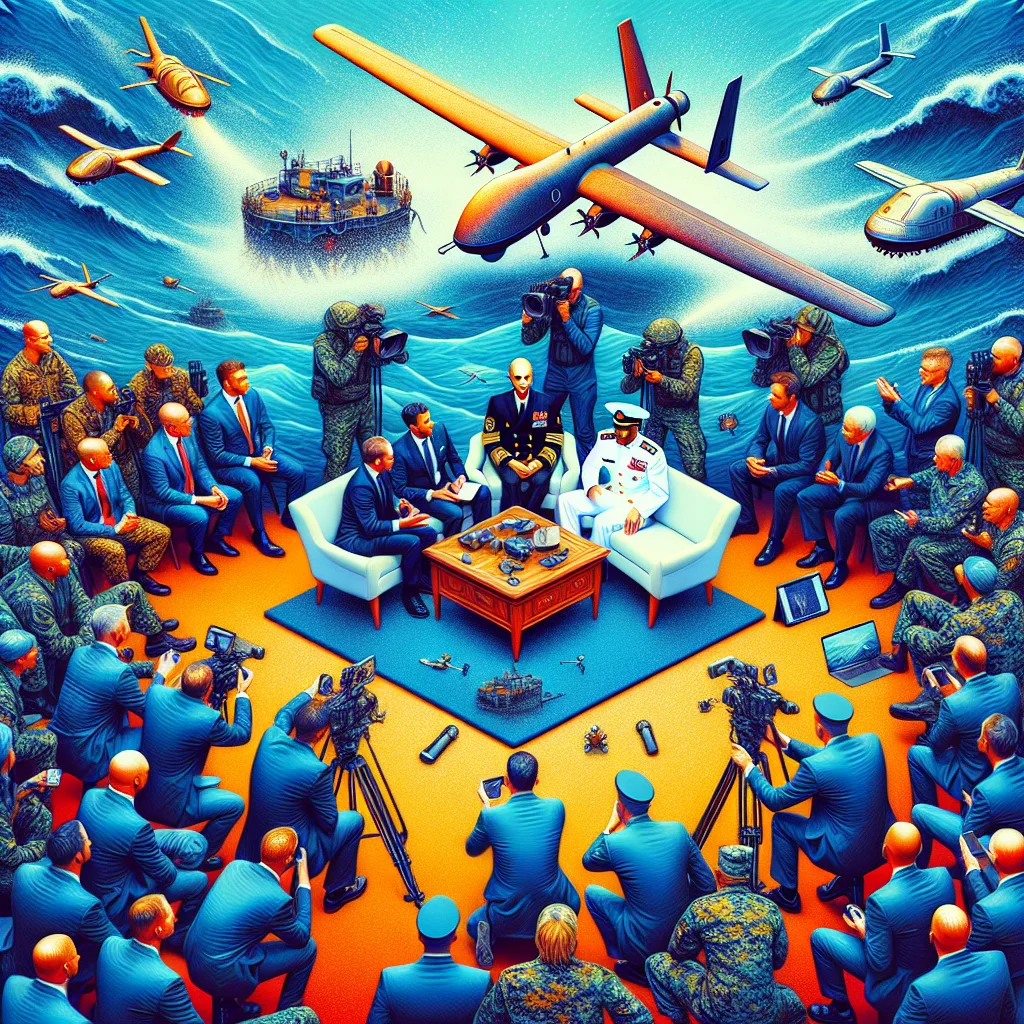
The recent unveiling of a new sub-drone sonar trap concept at a Navy conference marks a significant evolution in naval warfare technology. This innovative approach, developed through a collaboration between Anduril Industries and Ultra Maritime, aims to enhance underwater surveillance and counter-submarine operations. As global maritime tensions rise, the implications of this technology extend beyond mere operational efficiency; they touch on national security, military strategy, and the future of naval engagements. Stakeholders, including military operators, policymakers, and defense contractors, must grapple with the potential shifts in power dynamics that such advancements could precipitate.
Background & Context
The concept of underwater drones is not new; however, the integration of sonar traps into these systems represents a paradigm shift in how naval forces can detect and neutralize threats. Historically, naval warfare has relied heavily on surface ships and manned submarines for reconnaissance and engagement. The advent of unmanned systems has begun to change this landscape, offering enhanced capabilities at reduced risk to human life. The urgency of this development is underscored by the increasing sophistication of submarine technologies employed by adversaries, particularly in contested waters such as the South China Sea and the Arctic.
In recent years, the U.S. Navy has prioritized the development of unmanned systems as part of its broader strategy to maintain maritime superiority. The introduction of the sub-drone sonar trap concept aligns with this strategic imperative, as it promises to bolster the Navy’s ability to monitor and respond to underwater threats effectively. The timing of this announcement is particularly poignant, given the heightened geopolitical tensions and the need for advanced technological solutions in modern warfare.

Audit-ready is a season. It shouldn't be.
Evidence in spreadsheets, controls drifting between audits, frameworks multiplying on flat headcount. Nubivance runs continuous compliance on Rapid7 Cyber GRC - SOC 2, HIPAA, ISO 27001, PCI, CMMC.
End the scrambleCurrent Landscape
The current state of naval warfare is characterized by rapid technological advancements and an increasingly complex threat environment. The integration of unmanned systems, including drones and autonomous underwater vehicles (AUVs), has transformed traditional naval operations. According to a report by the Center for Strategic and Budgetary Assessments, the U.S. Navy is investing heavily in unmanned systems, with a projected budget of over $3 billion dedicated to these technologies in the coming years.
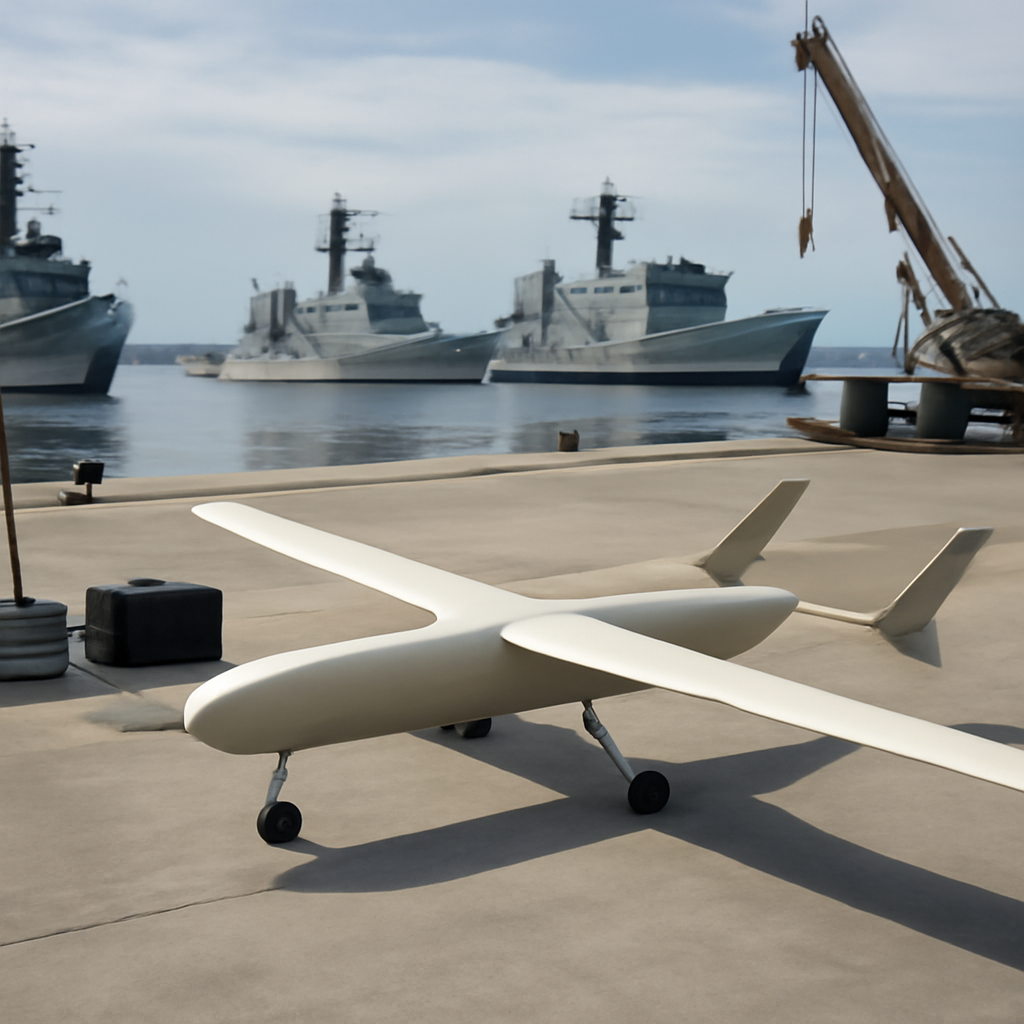
Anduril Industries, known for its innovative defense technologies, has partnered with Ultra Maritime, a leader in maritime defense solutions, to develop this new sonar trap concept. This collaboration leverages Anduril’s expertise in autonomous systems and Ultra’s advanced sonar technologies, creating a formidable tool for underwater surveillance. The sonar trap is designed to detect and track submarines, providing real-time data to naval operators and enhancing situational awareness in contested environments.
Moreover, the concept is not merely theoretical; it has been tested in various operational scenarios, demonstrating its potential effectiveness. The ability to deploy these systems in conjunction with existing naval assets could significantly enhance the Navy’s operational capabilities, allowing for more effective deterrence and engagement strategies.
Strategic Implications
The introduction of the sub-drone sonar trap concept carries profound strategic implications for naval operations and global security. First and foremost, it enhances the U.S. Navy’s ability to conduct anti-submarine warfare (ASW) operations. As adversaries invest in advanced submarine technologies, the need for effective detection and tracking systems becomes paramount. The sonar trap could provide a critical edge in identifying and neutralizing threats before they can engage U.S. assets.
Furthermore, this technology could alter the balance of power in maritime regions where submarine capabilities are increasingly contested. For instance, in the South China Sea, where China has expanded its submarine fleet, the deployment of advanced sonar traps could serve as a deterrent against aggressive maneuvers by adversarial forces. The ability to monitor underwater activities in real-time could also provide the U.S. with valuable intelligence, informing strategic decision-making and operational planning.
However, the introduction of such technologies is not without risks. The proliferation of advanced underwater drones could lead to an arms race in naval capabilities, prompting adversaries to accelerate their own technological developments. This dynamic could destabilize existing power structures and lead to increased tensions in already volatile regions.
Expert Analysis
From an analytical perspective, the sub-drone sonar trap concept represents a significant leap forward in naval warfare technology. It embodies a shift towards more autonomous and intelligent systems that can operate in complex environments. The integration of artificial intelligence (AI) and machine learning into these systems could further enhance their capabilities, allowing for adaptive responses to evolving threats.
However, it is essential to consider the broader implications of such advancements. As military technologies become more sophisticated, the ethical and strategic considerations surrounding their use will become increasingly complex. The potential for miscalculation or unintended escalation in conflict scenarios must be carefully managed. Moreover, the reliance on unmanned systems raises questions about the future role of human operators in naval warfare. Will we see a shift towards fully autonomous operations, or will human oversight remain a critical component of military engagements?
In conclusion, while the sub-drone sonar trap concept offers promising advancements in naval capabilities, it also necessitates a reevaluation of existing military doctrines and strategies. Policymakers must engage in thoughtful deliberation about the implications of these technologies, ensuring that they are integrated into a broader framework of strategic stability and deterrence.
Recommendations or Outlook
To maximize the potential of the sub-drone sonar trap concept while mitigating associated risks, several actionable steps should be considered:
- Invest in Research and Development: Continued investment in R&D for unmanned systems and sonar technologies is crucial. This includes exploring AI integration to enhance operational effectiveness.
- Develop Comprehensive Training Programs: As new technologies are introduced, training programs for operators must evolve to ensure personnel are equipped to leverage these advancements effectively.
- Engage in International Collaboration: Collaborating with allied nations on the development and deployment of these technologies can foster interoperability and strengthen collective security efforts.
- Establish Ethical Guidelines: Developing clear ethical guidelines for the use of autonomous systems in military operations is essential to prevent unintended consequences and maintain accountability.
- Monitor Adversarial Developments: Continuous monitoring of adversarial advancements in submarine technology and unmanned systems will be critical to maintaining a strategic edge.
Looking ahead, the landscape of naval warfare will undoubtedly continue to evolve. The successful integration of the sub-drone sonar trap concept could pave the way for further innovations, shaping the future of maritime security and defense strategies.
Conclusion
The unveiling of the sub-drone sonar trap concept at the Navy conference signifies a pivotal moment in naval warfare technology. As Anduril Industries and Ultra Maritime push the boundaries of what is possible, stakeholders must remain vigilant about the implications of these advancements. The intersection of technology, strategy, and ethics will define the future of naval engagements, challenging conventional thinking and requiring a proactive approach to ensure that these innovations contribute to global security rather than exacerbate tensions. As we stand on the brink of a new era in naval warfare,