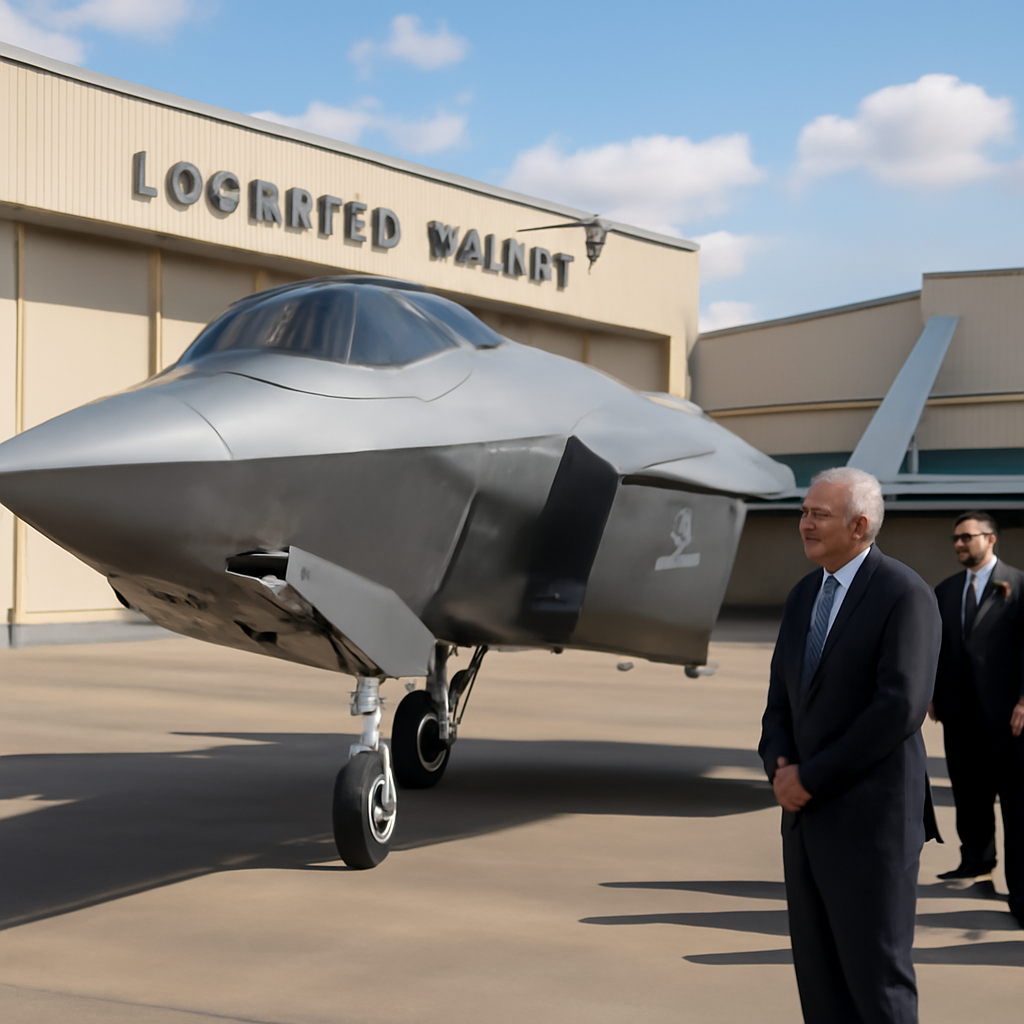
Will the U.S. Navy finally end a years-long procurement limbo and pick its next carrier-based, sixth-generation fighter by August? According to a report in The War Zone and comments attributed to the Navy’s top admiral, the service is set to move forward after the program had been stuck in what the article calls “procurement purgatory.”
A long-awaited turn
The program in question concerns a carrier-based, sixth-generation stealth fighter, the future centerpiece of a naval airwing. For a period the effort had been described as stalled in procurement purgatory; the latest reporting indicates that the Navy now intends to advance the effort and that a selection decision is expected by August, as conveyed by the Navy’s top admiral.
What stalled procurement means
Being described as "stalled in procurement purgatory" signals a pause or slowdown in the acquisition process. That characterization implies delays in moving from concept or competition to a definitive selection and follow-on development and production steps. The War Zone’s reporting frames the recent announcement as an end to that pause, returning the program to an active timetable.

This site is the portfolio.
OSINTSights runs on Cloudflare Workers, D1, R2, and Vectorize, with an AI pipeline on Hetzner ARM. Nubivance designed, built, and operates it. We do the same for clients.
See what we buildWhere things stand now
- The program is for a carrier-based, sixth-generation stealth fighter intended to operate from aircraft carriers.
- The Navy had previously experienced a period of stalled procurement for this effort, described in the reporting as “procurement purgatory.”
- The Navy’s top admiral has indicated the selection will come by August, and the service is now set to move forward.
Why this matters
Restarting a stalled major acquisition program carries multiple, interlocking implications. For the Navy, moving from delay to selection signals momentum toward fielding a planned future capability. For industry and program managers, a decision point can shift work from design studies and competition into more concrete development, testing, and production planning. For oversight bodies and policymakers, a restart raises questions about schedule, cost, and how the program’s next phases will be managed. And for observers generally, the timing of a selection — here, the expectation of a decision by August — will serve as a yardstick for whether the program has truly emerged from its earlier pause.
None of the reported details in The War Zone article, as summarized above, include technical specifics, contractor names, or precise program milestones beyond the expected selection timing and the program’s carrier-based, sixth-generation designation. What the reporting does convey is a shift in status: a program characterized as stalled is now being directed forward with an anticipated decision point.
That shift invites close attention in the months ahead: will the announced timeline hold, and how will the Navy and its partners translate a selection into a stable, well-managed acquisition pathway? If the program remains mired in uncertainty, the phrase “procurement purgatory” will hang over it still. If the selection arrives in August as indicated, it will mark a clear departure from that description — but also the start of a new, equally consequential phase.