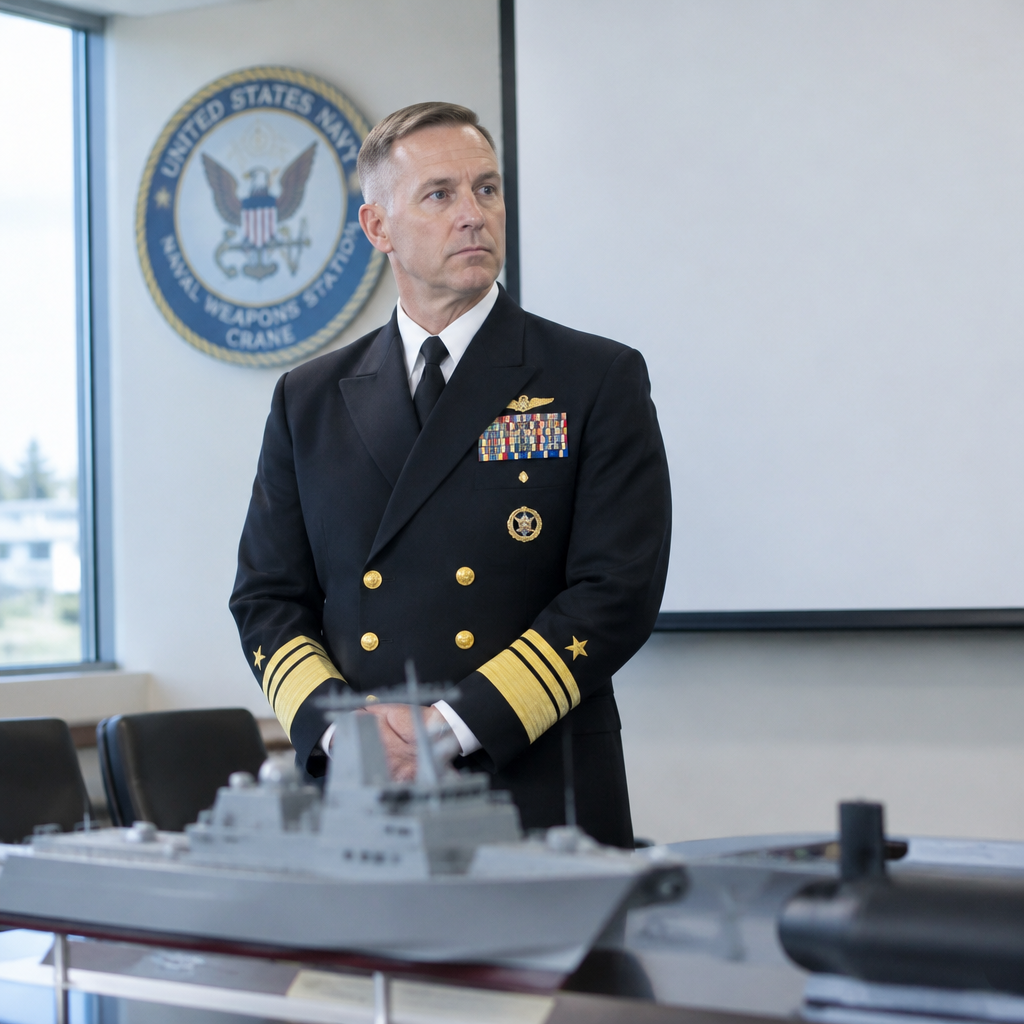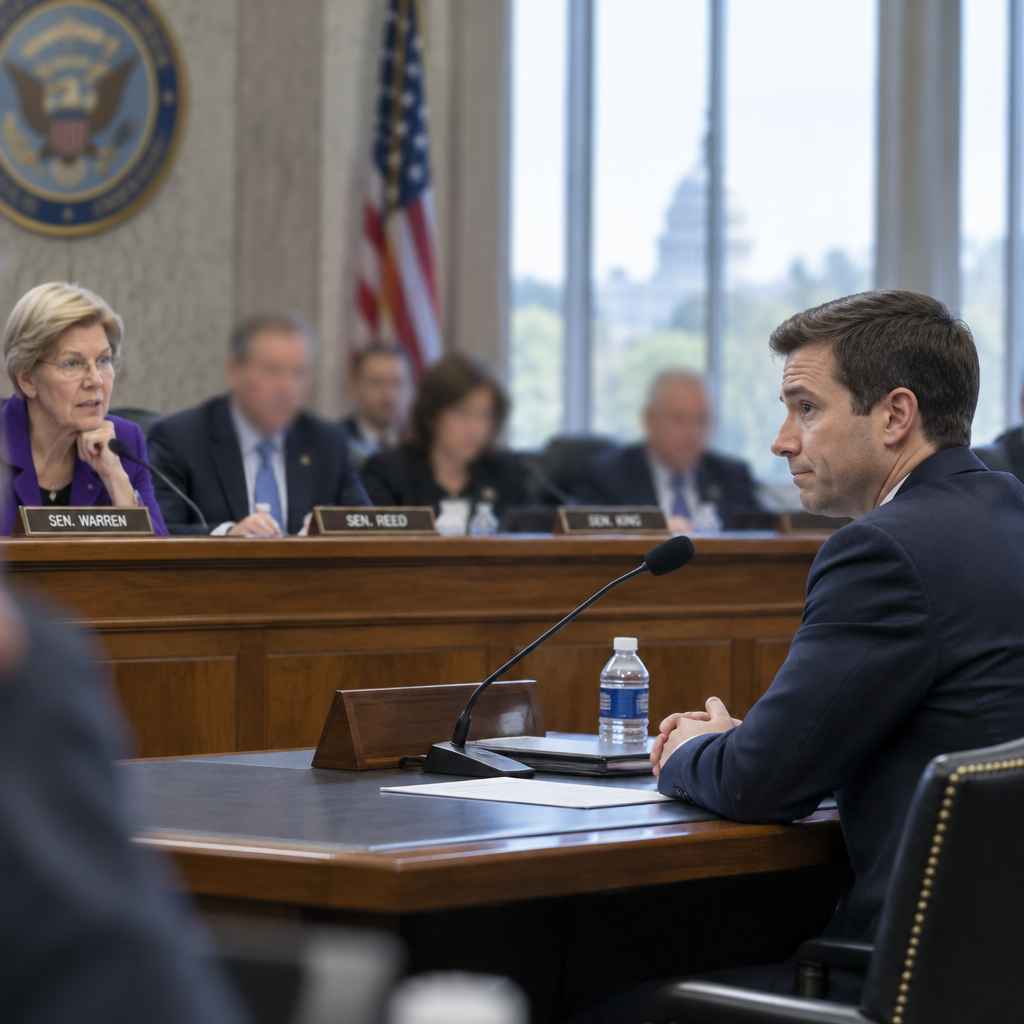
"I do not know the daily cost, ma'am…I know the rough costs, how much it's costing us so far," Acting Navy Secretary Hung Cao told the Senate Armed Services Committee, a comment that framed a hearing marked by tight exchanges over war spending, troop strain and sailors' welfare.
Testimony on Iran war costs: estimates, gaps, and a round number
Cao, the White House’s pick to lead the Navy and the service’s acting secretary since April, told senators he could not supply a precise daily cost for the U.S. effort tied to Iran but gave a cumulative figure he described as "around $30 billion so far." Sen. Elizabeth Warren, D-Mass., had quoted estimates of about $32.5 million per day during the hearing; Cao responded that he did not know the daily cost but knew "the rough costs."
Throughout the nearly three-hour hearing, senators pressed for more detailed accounting of the war’s fiscal toll. Cao urged lawmakers to pass the administration’s proposed $350 billion reconciliation bill in addition to the existing, nearly trillion-dollar fiscal-year defense appropriations, saying multiple Navy programs depend on that package.
Bahrain base damage and operational constraints
When asked how much damage Iranian strikes had caused to the U.S. Naval Base in Bahrain, Cao said the Navy was still completing assessments and cited operational limits: "We're still making all the assessments because it's a non-permissive area for us to go." The hearing noted that U.S. troops remain in Bahrain and that some came under fire "yesterday" during Iran’s latest strike on radar facilities there.
Sen. Warren referenced a Wall Street Journal estimate that rebuilding buildings of the same types damaged at NSA Bahrain would cost about $400 million; Cao did not provide a competing figure for damage to the base.

This site is the portfolio.
OSINTSights runs on Cloudflare Workers, D1, R2, and Vectorize, with an AI pipeline on Hetzner ARM. Nubivance designed, built, and operates it. We do the same for clients.
See what we buildPartisan exclusions, briefings, and congressional access
Senators from both parties raised concerns about exclusions of Democrats from national security briefings tied to the Iran war. Sen. Mike Rounds, R-S.D., warned that partisan behavior around briefings "limits us to basically using Republican votes only" and that excluding opposition members risks jeopardizing defense funding. Cao, who had been confirmed as the Navy’s undersecretary before being named acting secretary, promised he would not conduct partisan briefings and pledged to communicate with Congress.
Budget specifics: reconciliation, the $1.45 trillion figure, and landing ship mediums
Cao repeatedly linked key Navy acquisitions and readiness initiatives to the administration’s broader fiscal package. He told senators that many Navy programs, including procurement of up to 35 landing ship mediums (LSMs), are contingent on passage of reconciliation funding. "That is also predicated on us having a $1.45 trillion dollar budget…because a lot of the LSMs, the extra LSMs, are in the reconciliation," Cao said.
He said those requests come atop what the hearing described as a historically large, roughly trillion-dollar defense appropriations bill for the fiscal year that had begun more than two months earlier.
Sailor mental health, USS Abraham Lincoln, and the "mitigations" exchange
The hearing turned pointed when senators pressed Cao on sailors' welfare aboard the aircraft carrier USS Abraham Lincoln. Sen. Richard Blumenthal, D-Conn., asked about welfare after Cao earlier characterized eight unsuccessful suicide attempts as "suicide mitigations" because of the presence of chaplains, deployment resiliency counselors and mental health specialists. Cao said, "Normally, most carrier strike groups, when they deploy, have about one or two suicides. This is well before Epic Fury...We had zero actual suicides on board the Abraham Lincoln."
Sen. Kristen Gillibrand, D-N.Y., challenged that framing: "I think you are minimizing what mental health strain is on these service members," she said, referencing extended deployments and reported poor living conditions. Cao denied minimizing the strain, recalled his own deployment experience and reiterated that he places mental health "as a top of my concern," adding the Navy has "mental health resiliency providers as well as chaplains on board." Gillibrand countered the presence of those providers as "inadequate."
The exchange referenced prior coverage and claims Cao had called news reports of substandard living conditions aboard the Lincoln "dishonest." Gillibrand mentioned an incident in which a sailor jumped overboard and was later punished; Cao maintained that the Navy's processes to address mental health challenges while deployed were sufficient.
What this means for lawmakers, sailors, and procurement planners
- Lawmakers on the Senate Armed Services Committee: Expect continued demands for precise accounting of war costs and for fuller congressional access to briefings after allegations of partisan exclusions. Several senators indicated funding votes could hinge on transparency and inclusion.
- Sailors and Navy leadership: The debate over living conditions, extended deployments and mental health supports on the USS Abraham Lincoln highlighted tensions between operational demands and welfare resources; Cao emphasized existing onboard mental health personnel while some senators called those measures inadequate.
- Procurement planners and program managers: Cao tied procurement decisions — including purchase of up to 35 LSMs — to the success of the reconciliation bill and to a broader $1.45 trillion budget baseline, signaling that program execution may depend on passage of supplemental fiscal measures.
The hearing closed with several senators unresolved about Cao’s positions. Sen. Tammy Duckworth, D-Ill., said she would not vote for him after Cao stated it was "not within my purview" to urge Defense Secretary Pete Hegseth to end the Iran war. The session left three central threads: a contested ledger for war costs, unresolved damage tallies for overseas facilities, and an unresolved debate over how the Navy balances readiness with sailors' mental-health needs during extended deployments.