NATO Overhauls Modernization Approach Amid Rising Threats
Analyst 207||Source: DefenseOne
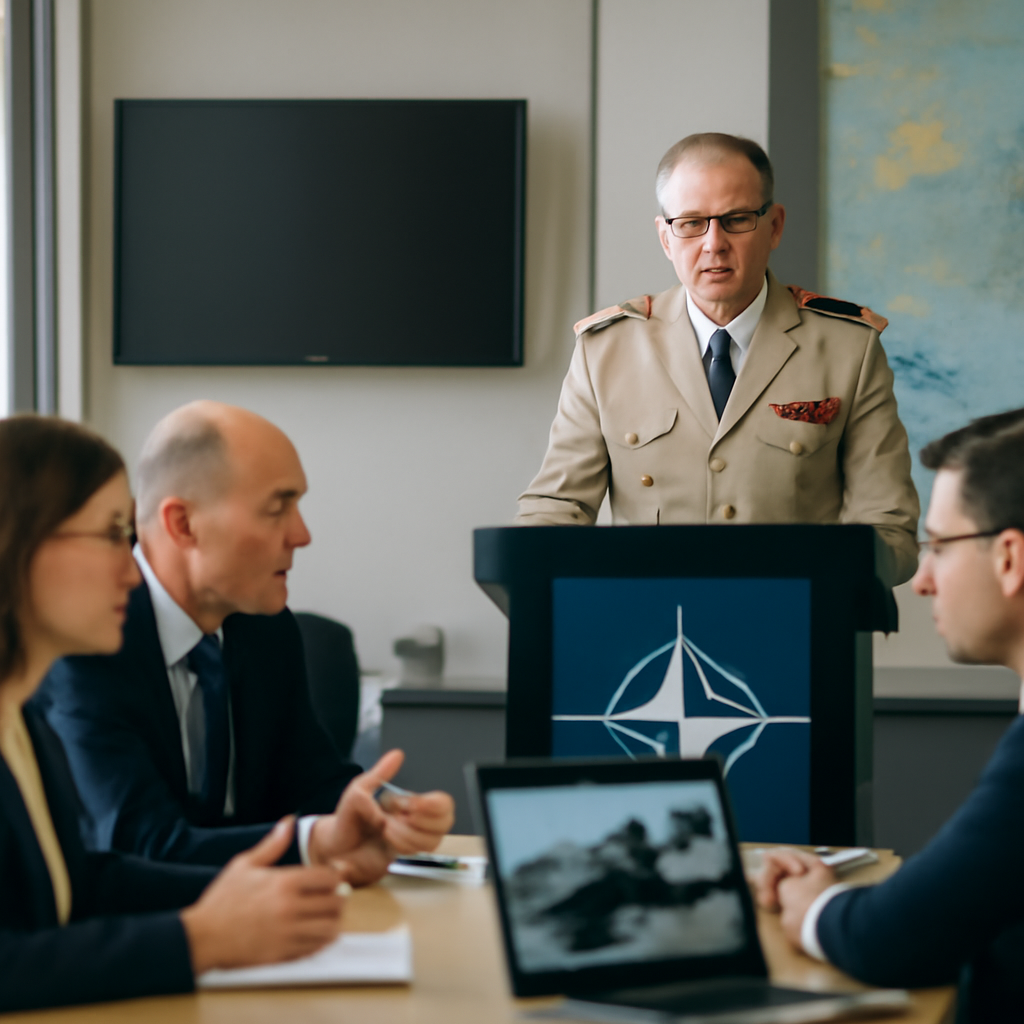
"NATO has 'really changed a lot in the last three to four years,'" Maj. Gen. Dominique Luzeaux said, framing an alliance-wide shift sparked by Russia’s invasion of Ukraine and driven by faster learning, greater experimentation, and a new focus on interoperable systems.
Maj. Gen. Dominique Luzeaux on lessons from Ukraine
Maj. Gen. Luzeaux, NATO’s digital transformation champion and special advisor to the Supreme Allied Commander Transformation, described a rapid evolution in how the alliance conceives of force design and innovation. He said the war in Ukraine forced a rethink of how nations learn and fight — moving from long, platform-centered modernization cycles to continuous experimentation across strategic, operational, and tactical levels. Luzeaux told an audience at the Defense One Tech Summit in Arlington, Virginia, that early in the conflict Ukrainian forces were "mostly using Soviet weapons and 'more or less losing the battle,'" but then adapted. That adaptation prompted Russian forces to accelerate their own innovation cycles, producing what he called "innovation cycle against innovation cycle."
From platform-centric thinking to a system-of-systems architecture
The transformation Luzeaux describes is architectural as much as procedural. NATO is shifting "from a platform-centric to a system-of-systems world," he said, where the decisive problem is not a single weapon, sensor, or vehicle but how disparate assets are orchestrated. He emphasized that "what is important is the orchestration between the different assets." Concrete examples include treating functions separately from platforms — for instance, using 5G antennas not only as communications nodes but also as sensors — and connecting national capabilities so that a U.S. drone could work with a German command-and-control system and a French sensor. Allied Command Transformation, Luzeaux said, focuses on "put[ting] the glue between the different things" countries bring to operations to create coherent, interoperable forces.
[SPONSOREDNUBIVANCE]
Audit-ready is a season. It shouldn't be.
Evidence in spreadsheets, controls drifting between audits, frameworks multiplying on flat headcount. Nubivance runs continuous compliance on Rapid7 Cyber GRC - SOC 2, HIPAA, ISO 27001, PCI, CMMC.
Shorter cycles: experimentation, exercises, and rapid adaptation
Luzeaux stressed the need to move beyond decades-long procurement and acquisition timelines. NATO now pairs long-term investment programs with "much shorter-term cycles, experimentations, exercises." He cited layered counter-UAS experimentation that tests different approaches every two or three months as an example of the new tempo. Exercises, he added, play a dual role: they are laboratories for new approaches and the mechanism by which procedures are standardized so forces from different countries can "fight together."
Standards: adopting commercial and international norms
Standards policy is changing alongside architecture and tempo. Luzeaux acknowledged that NATO historically had "too many" standards and that they could take too long to implement. The new policy, he said, favors taking existing international standards and those from the civilian and commercial worlds — "use them, adopt them, not adapt them" — to speed integration. For rapidly emerging threats such as Shahed drones, he described a two-track posture: short-term reactive initiatives to address immediate needs and longer-term efforts that integrate into broader capability programs.
What this means for NATO militaries, technologists, and exercise planners
- NATO militaries: Expect a growing emphasis on integrating national platforms into coalition-wide architectures. Commanders will increasingly prioritize orchestration of multi-domain effects rather than single-platform performance.
- Technologists and security teams: Rapid, recurring experimentation cycles — every two to three months in some cases — mean prototypes and integration efforts must be designed for interoperability and quick iteration, including repurposing commercial components (for example, 5G hardware as sensors).
- Exercise planners and northern maritime forces: Exercises will be a key vehicle for standardizing procedures; Luzeaux pointed to a Baltic Sea experiment launched last year that now uses uncrewed surface vehicles to patrol and detect Russia’s so-called shadow fleet and that has already been adopted by several northern countries.
Conclusion
Maj. Gen. Luzeaux’s remarks sketch an alliance responding to compressed innovation timelines with a mix of architectural rethinking, faster experimentation, and pragmatic adoption of civilian standards. The clearest throughline is orchestration: not whether a single platform is best, but how many assets—"the right number, at the right place, at the right time"—can be made to work together. NATO’s next test will be sustaining that speed of learning and ensuring short-term experiments feed into enduring, interoperable capabilities across member states.
Read the original Defense One story: https://www.defenseone.com/policy/2026/06/nato-changed-transformation/414217/
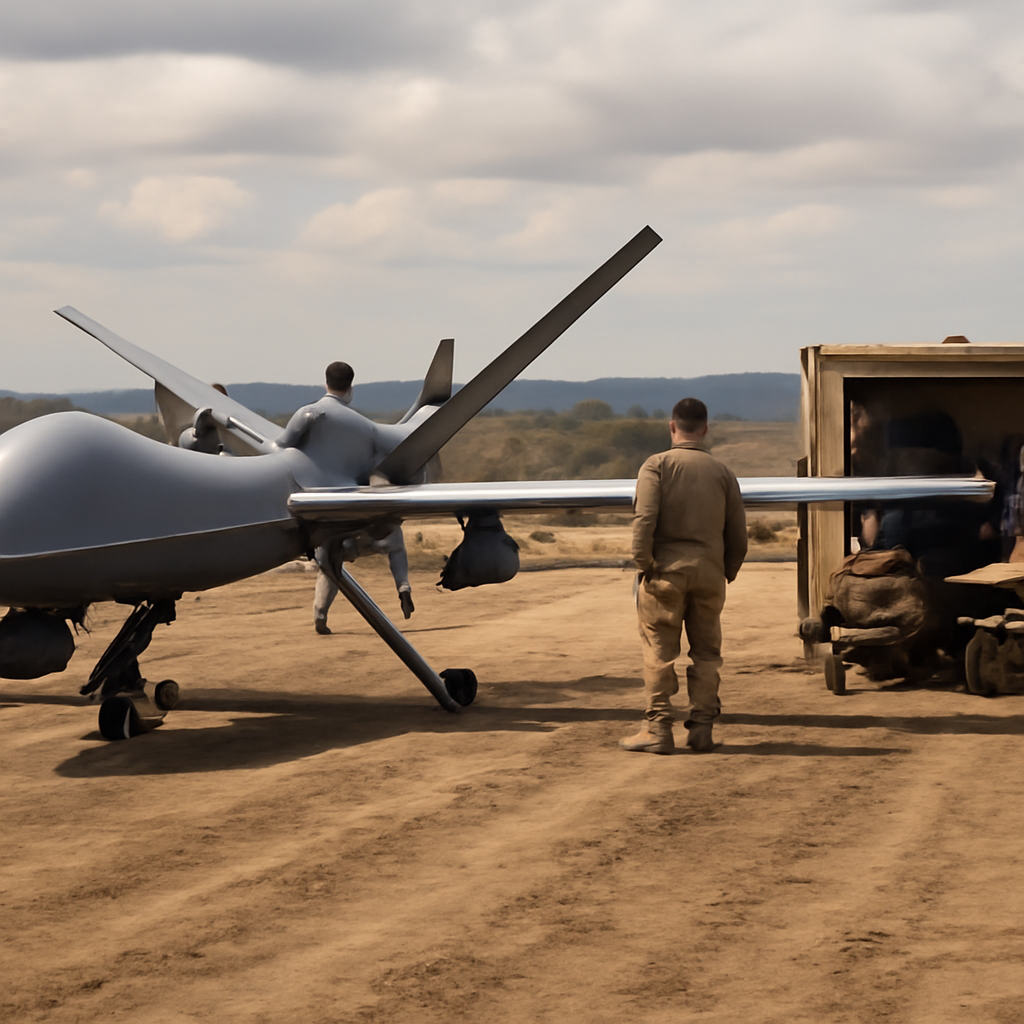
Imagine having the power to deploy drones from anywhere, even unimproved surfaces like roads and dirt tracks, and still get the job done with precision and endurance. With the Mojave STOL and Gray Eagle 25M drones, the US Army is revolutionizing its tactical edge, enabling commanders to put aviation closer to distributed forces and operate with unprecedented flexibility.
The US Army swiftly adapted its high-altitude balloon program, originally slated for a 2026 demo over Indo-Pacific waters, to support CENTCOM operations in the Middle East instead. The swift pivot led to the deployment of smaller balloon swarms to the region, marking a significant experimentation milestone.
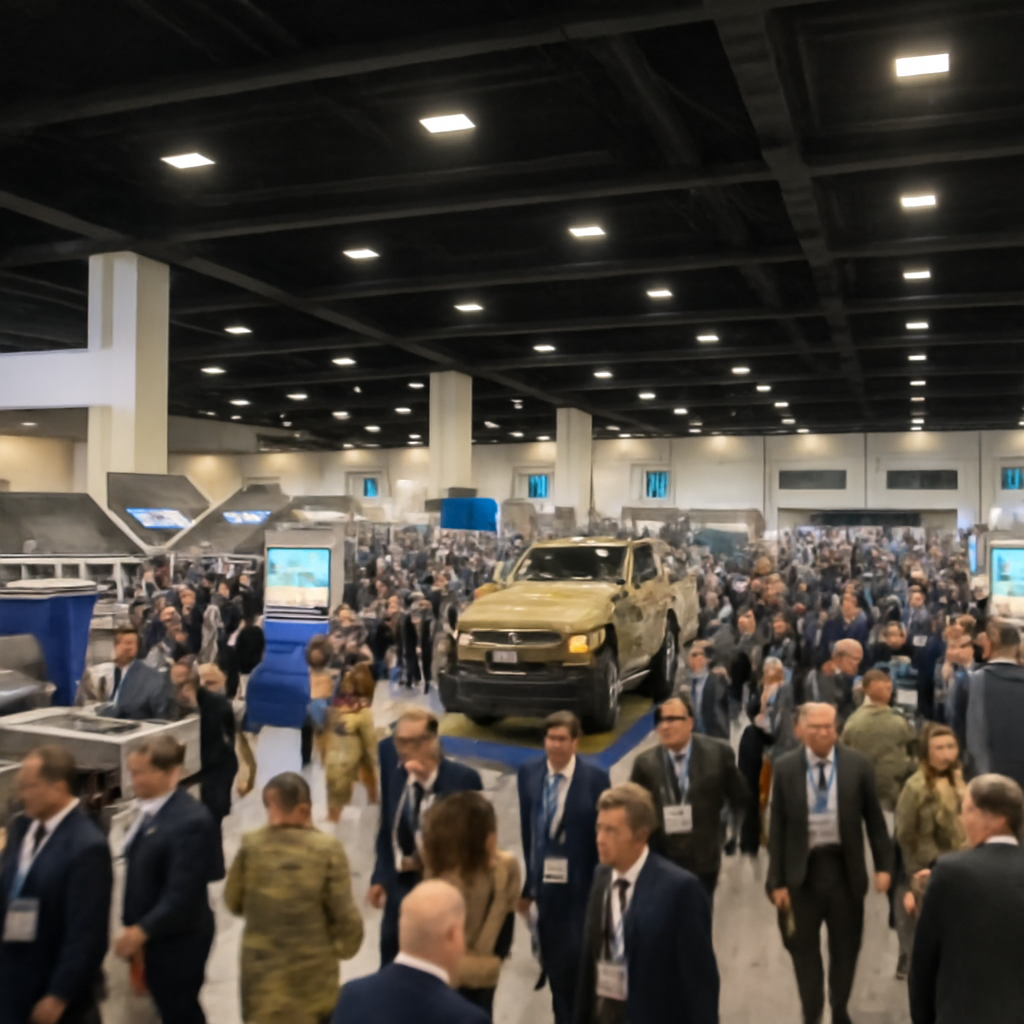
Thousands of defense professionals flocked to the Walter E. Washington Convention Center on October 12, 2026, for the Association of the US Army's annual conference, where the latest air and ground vehicles took center stage. The expo floor was buzzing with exhibitors showcasing cutting-edge tech, including drones, counter-drone systems, and advanced equipment.
As global instability escalates in the wake of the US-Russia arms treaty expiry, Australia is proactively forging a new path with India through a bold five-step nuclear diplomacy plan. By spearheading targeted bilateral talks, Australia aims to strengthen non-proliferation efforts and promote nuclear transparency.