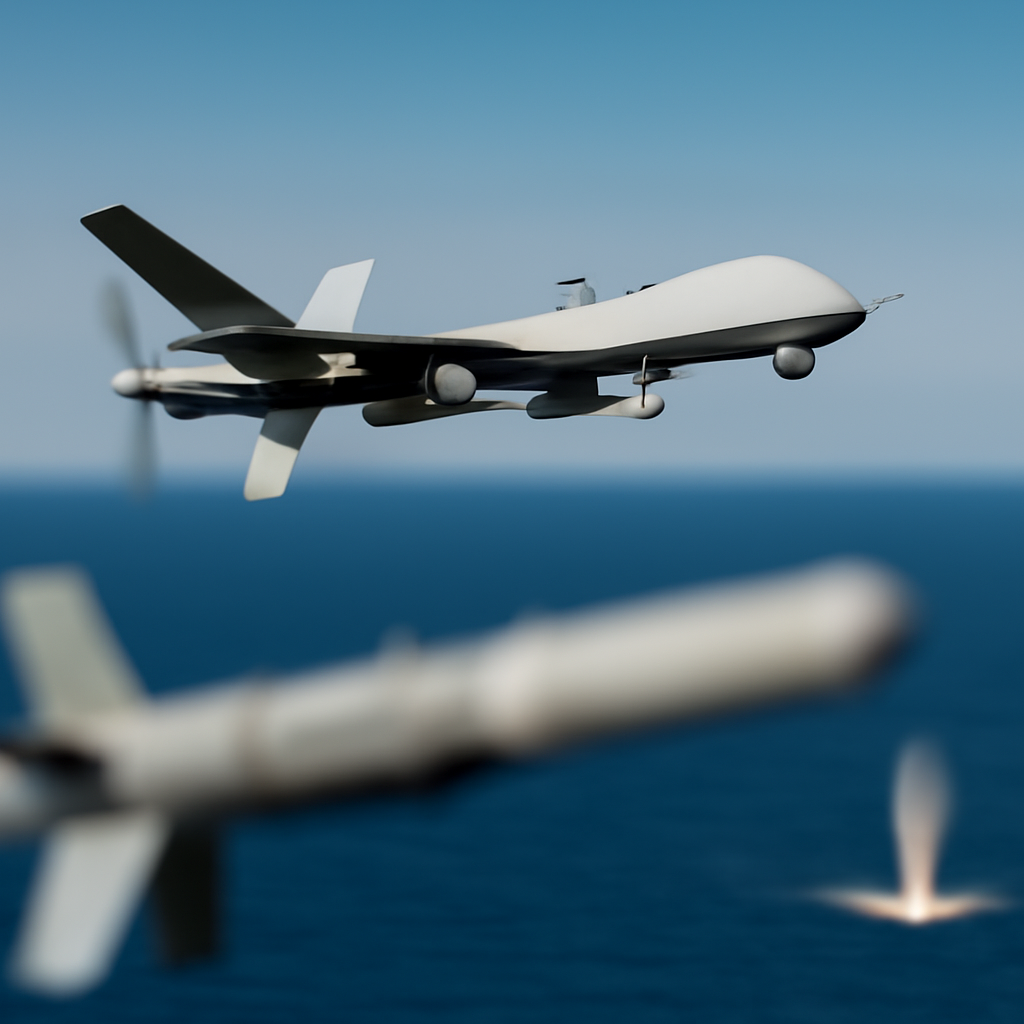
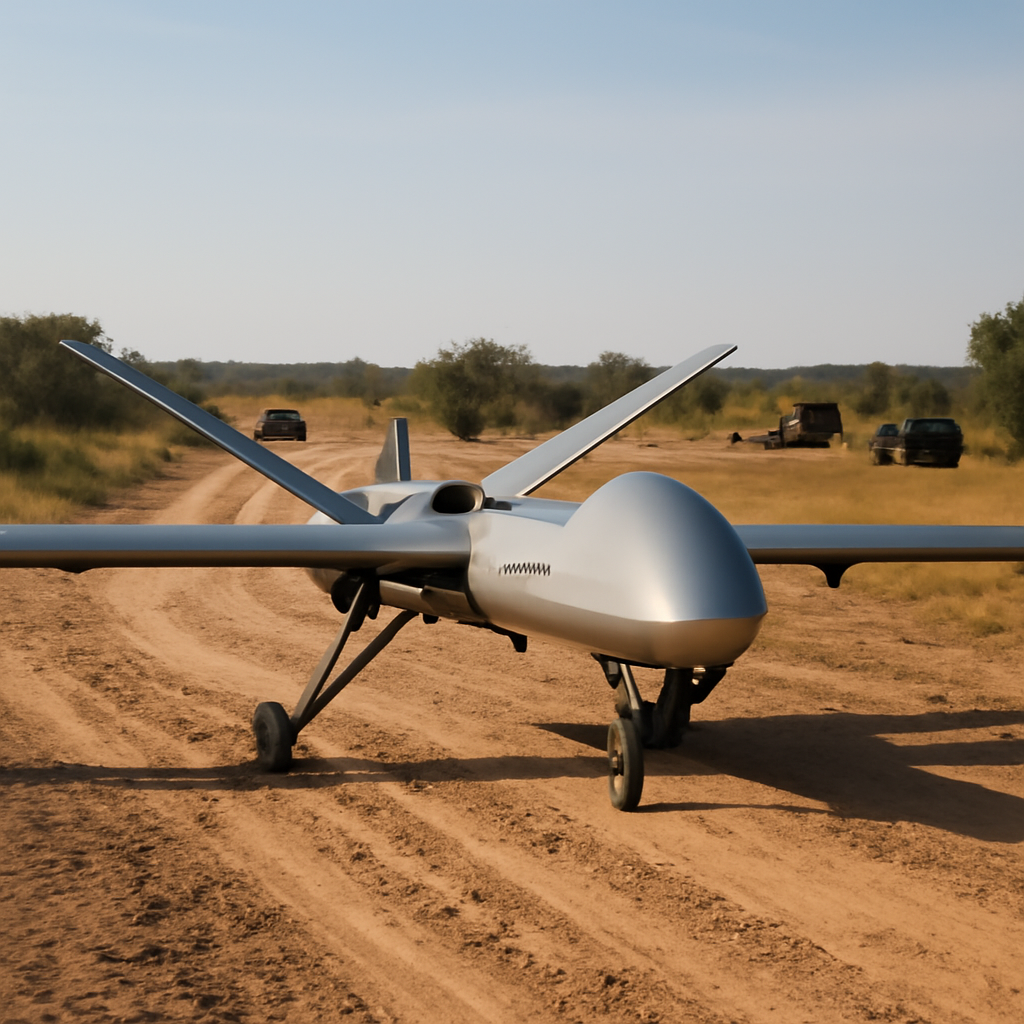
"In this third edition of our new series looking at the past, present and future of manned-unmanned teaming, we look at some industrial base issues, check in with what the Navy is doing and then ask how allies — and competitors — around the world are approaching the concept of loyal wingman drones," the program announced.
Who spoke: Caitlin Lee, JJ Gertler, Aaron Mehta and Michael Marrow
The episode convened a four-person panel: Caitlin Lee of the RAND Corporation and JJ Gertler of the Teal Group joined Breaking Defense Editor-in-Chief Aaron Mehta and Air Warfare Reporter Michael Marrow. The program billed their appearance as a "lively panel discussion" focused on "the recent history and possible future of closely partnering with drones in combat."
Industrial base issues are central
The third edition of the series explicitly allocates attention to "industrial base issues." The episode therefore frames the capacity of production, sustainment and vendor ecosystems as a component of the manned–unmanned teaming conversation. That positioning signals an intent to examine not just platforms and tactics but also the supply-side realities that enable — or constrain — fielding of so-called loyal wingman drones.

Audit-ready is a season. It shouldn't be.
Evidence in spreadsheets, controls drifting between audits, frameworks multiplying on flat headcount. Nubivance runs continuous compliance on Rapid7 Cyber GRC - SOC 2, HIPAA, ISO 27001, PCI, CMMC.
End the scrambleChecking in with what the Navy is doing
The show states it will "check in with what the Navy is doing," placing naval activity in the foreground of the discussion. The episode therefore treats the U.S. Navy's efforts as a distinct strand of inquiry within the broader question of how manned aircraft and unmanned wingmen will operate together.
Allies and competitors: a global view of loyal wingmen
Panelists also address "how allies — and competitors — around the world are approaching the concept of loyal wingman drones." The program frames the topic as comparative and international, positioning allied approaches alongside those of rival states as part of the same strategic discussion about manned-unmanned teaming.
What this means for the Navy, the industrial base, and allies and competitors
- The Navy: the episode "checks in" on naval programs, signaling the Navy's role as a focal actor in assessing manned-unmanned teaming developments.
- The industrial base: by highlighting "industrial base issues," the program identifies production and sustainment capacity as a necessary lens for understanding whether loyal wingman concepts can move from experimentation to scale.
- Allies and competitors: the panel poses the topic as a global contest of approaches, treating allied and adversary development pathways as directly relevant to the future shape of manned-unmanned teaming.
This installment is the third in a short series. Viewers are invited to consult the first and second videos for earlier installments, and the program notes that a final, fourth video will be released the following week.
The episode brings together an academic researcher (Caitlin Lee), an industry analyst (JJ Gertler), and two Breaking Defense journalists (Aaron Mehta and Michael Marrow) to tie technical, industrial and operational threads together. The conversation is presented expressly as an examination of "the recent history and possible future of closely partnering with drones in combat," with explicit attention to industrial capacity, naval programs, and international comparators.
For the full episode and to follow the series, see the original story and video at Breaking Defense: