"The Blackbird was as close to alien tech as it gets over 60 years ago," Tyler wrote.
Why a comeback could be about more than speed
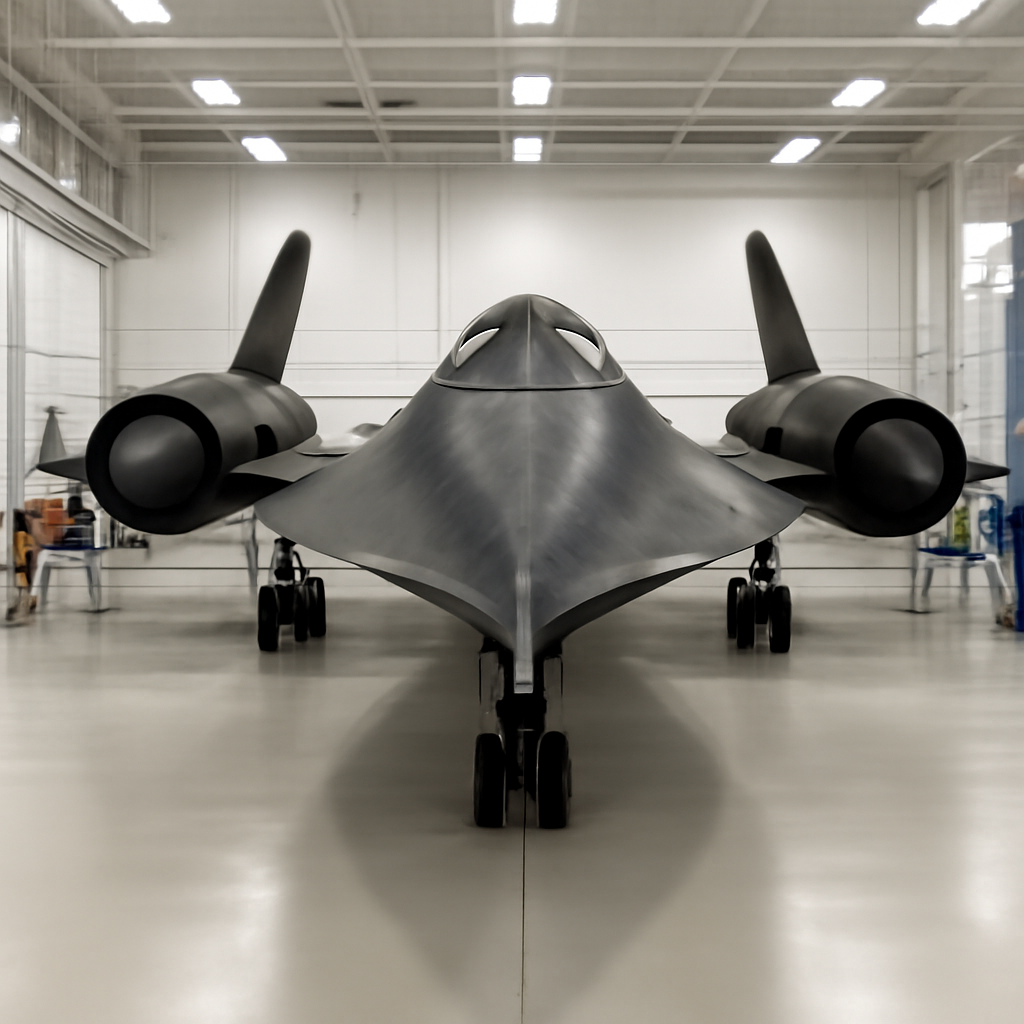
The SR-71 Blackbird can sustain flight between Mach 3 and Mach 4, carry very large items, and even launch payloads off its back at extreme speed. Those capabilities explain why high-speed flight testing is likely the main objective behind interest in returning NASA’s dormant SR-71 to the air. But the author argues the program’s greatest return may come not only from flight test data but from the engineering effort required to get the aircraft flying again.
Digital engineering and the mystery of tail number 844
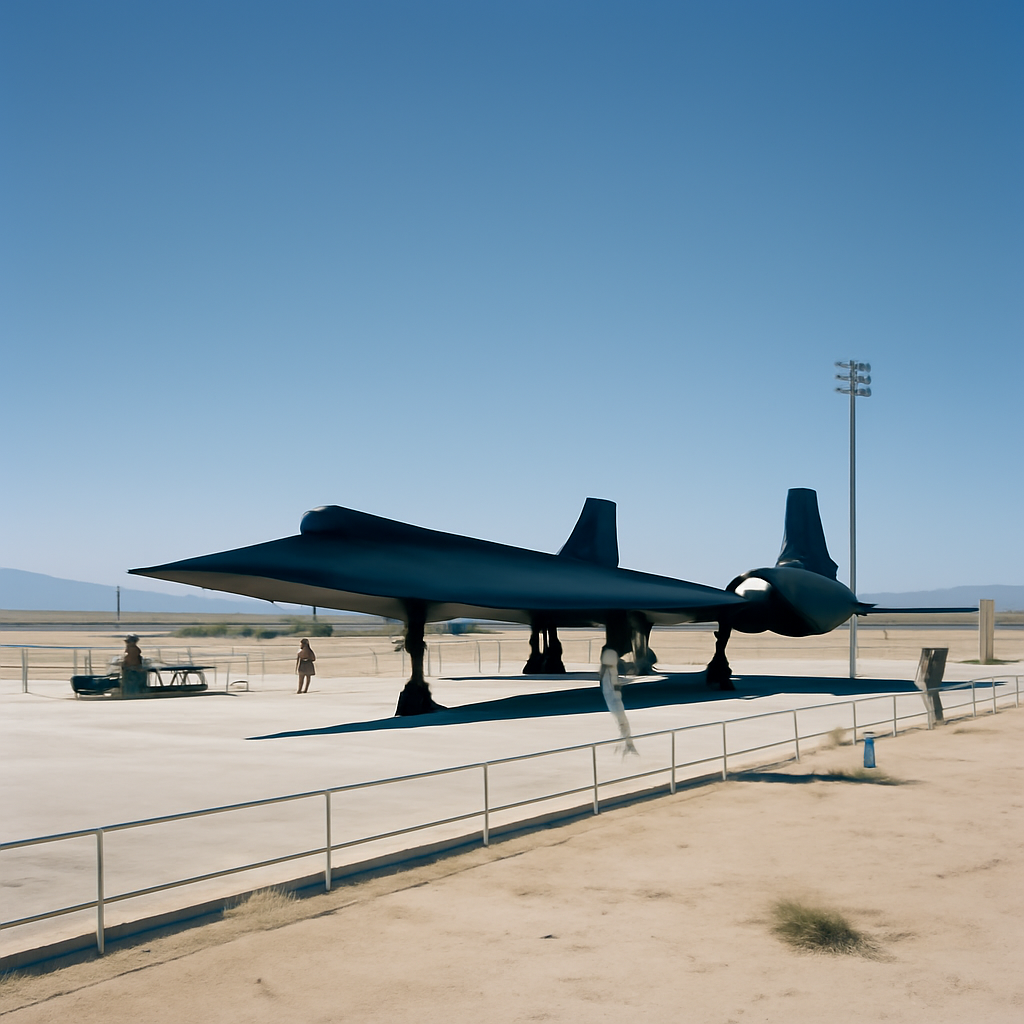
The article reports that NASA’s SR-71 bearing tail number 844 “has mysteriously disappeared from its display pad,” and suggests a digital twin may already be under construction. A digital model of the airframe could let engineers apply modern digital engineering tools to accelerate development and testing, improve performance and reliability, and—potentially—create a close “clone” using advances in additive manufacturing, rapid prototyping, materials science, avionics, and propulsion where applicable.

This site is the portfolio.
OSINTSights runs on Cloudflare Workers, D1, R2, and Vectorize, with an AI pipeline on Hetzner ARM. Nubivance designed, built, and operates it. We do the same for clients.
See what we buildReverse engineering, lost expertise, and the FME community
Much of the original expertise that built, supported, and operated the Blackbird is "sadly gone" after the jet sat dormant for nearly three decades. The article points to the foreign materiel exploitation (FME) community as a potential partner: historically, that community has taken foreign aircraft divorced from American supply chains, pieced them back together and flown them, and sustained those platforms in secrecy for years—accomplishments achieved before modern rapid prototyping and digital engineering. The argument advanced is that FME experience could be valuable to NASA on a far less-sensitive but technically similar effort to resurrect the SR-71.
Supply chains, KC-135Q logistics, and industrial learning
During its operational life, the SR-71’s logistical tail was “one of the most exotic ever created,” supporting the Blackbird and its progenitor, the A-12, for the better part of half a century. Photos cited in the piece show NASA Blackbird tail 844 refueling behind the specialized KC-135Qs that carried JP-7 fuel to support the program. Reestablishing that supply chain would be a highly challenging task, but the author argues it could yield broad benefits across aerospace and related industries by forcing new sustainment practices, parts pipelines, and rapid-prototyping strategies.
What this means for NASA, the FME community, and corporations
- NASA: The article frames a revived SR-71 as a pathfinder that could create a playbook for returning out-of-production aircraft to production and for keeping aging vehicles operating longer and cheaper using modern technologies—an outcome “more valuable than the flight testing” itself.
- Foreign materiel exploitation (FME) community: The FME community’s demonstrated ability to reconstruct and sustain aircraft in secrecy is presented as a potential source of hard-earned reverse-engineering methods and sustainment tradecraft that NASA could adapt for a public program.
- Corporations and individuals: The author notes that corporations or even individuals might help finance the effort, and that the calculus of investment differs outside government budgets; nevertheless, the program’s business case must explicitly quantify the learning gains against cost.
Conclusion
Reviving NASA’s SR-71, the author contends, is as much an exercise in rediscovering and modernizing engineering, logistics, and digital tools as it is a flight-test program. Whether or not tail 844 ever flies again, attempting a comeback could expose where expertise and industrial practices have atrophied, accelerate adoption of digital twins and additive manufacturing, and generate a sustainment playbook for other legacy platforms. The central unresolved question the piece leaves on the table is pragmatic: how much government will invest in that learning versus what corporations or private parties may be willing to fund?
Original story: https://www.twz.com/air/lessons-learned-from-getting-an-sr-71-in-the-air-again-may-be-as-valuable-as-its-flight-test-data