Tim Conners and NASA’s SR‑71 experience
Tim Conners, now technical director for advanced weapons systems at Tiberius Aerospace, was NASA Dryden’s lead propulsion engineer on the agency’s SR‑71 program in the 1990s. Conners supported two years of flight testing beginning in 1996 and left NASA in 1998 after preparing and overseeing propulsion and performance integration for experimental packages such as Lockheed’s Linear Aerospike SR‑71 Experiment (LASRE), a 20,000–25,000 pound externally mounted test package.
Engines: the J58s were inspected and deemed likely unserviceable
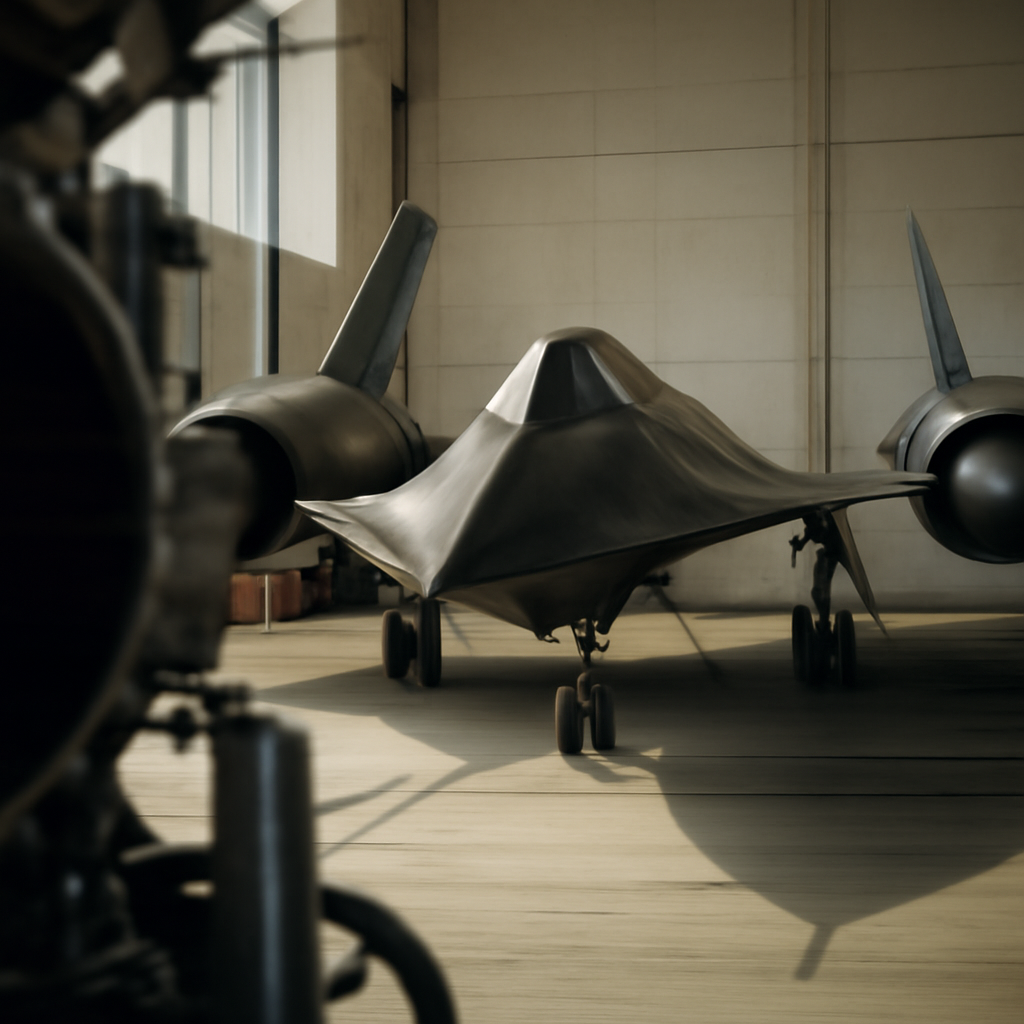
Conners reported that inspections indicate the SR‑71’s Pratt & Whitney J58 engines are probably unserviceable after 27 years of dormancy. He described the primary concerns as bearing "flats" from long periods of immobility, cracked seals, and fuel‑residue that would have turned to "gunk" in the hydromechanical fuel and hydraulic lines. He said his impression of the J58s’ condition is based on inspection rather than an attempt to run them, and that he does not know whether instructions to "unstack" a J58 still exist.
Conners noted that many J58s are on display at museums worldwide or parked at locations such as the Air Force Flight Test Museum at Edwards AFB, and that museums have often kept airframes indoors and climate‑controlled — making those aircraft potential sources of spares, and making preservation status an important variable in any revival.

This site is the portfolio.
OSINTSights runs on Cloudflare Workers, D1, R2, and Vectorize, with an AI pipeline on Hetzner ARM. Nubivance designed, built, and operates it. We do the same for clients.
See what we buildFuel, tankers and specialized ground support
Conners said NASA’s JP‑7 stockpile received from the Air Force in the early 1990s was discarded "about 20 years ago," but that he has heard there has been dialogue with refineries about producing a surrogate fuel. He described JP‑7 as unusually low‑volatility and odorous — recalling a stained shirt that could not be cleaned after contact — and noted that dedicated tankers were used historically. Whether existing tanker systems could be flushed and repurposed would depend on the surrogate formulation.
He also listed ground‑support and maintenance gear as nontrivial hurdles: unique scaffolding for split wings, special cradles for removing inlet spikes, engine‑craning fixtures, and historic engine start carts. Conners relayed an anecdote, passed along by Mike Relja, that the J58s were started with "a start cart that was basically a bank of Buick 12‑cylinder engines," underscoring the niche tooling and procedures tied to the program.
Current activity at NASA Armstrong and near‑term steps
Conners said he has heard work and inspections have been under way for months at NASA’s Armstrong Flight Research Center and that Tail 844 was removed from a display pad for that reason. Earlier reporting noted satellite imagery showing 844 missing from Armstrong since at least May. According to Conners, engineers have performed visual inspections and already are "putting electrons on the airframe" to check which electrical systems still have continuity.
He described a planned next step as a power‑on campaign — not engine runs but applying external power to assess wiring, breakers and system continuity — and said that was expected "within the next couple weeks." He framed that milestone as encouraging, and as the logical precursor to decisions about hydraulics, actuator condition, and whether to pursue engine replacement or integration work.
What this means for NASA, former SR‑71 personnel, and museums
- NASA: Conners framed the most plausible program aim as building a high‑speed engine test bed — leveraging a proven titanium airframe to test long‑duration, high‑Mach propulsion installations that are difficult to validate through CFD alone.
- Former SR‑71 personnel: Conners said NASA has reached out to ex‑program staff; he himself received informal messages but no formal offer. Former crew chiefs and maintainers such as Mike Relja are likely to be the first retirees tapped for hands‑on help or institutional memory.
- Museums: Institutions holding Blackbirds and J58s are potential sources of parts and prints; Conners said Edwards Air Museum has contributed spares and prints, and he expects other custodians to be "in the loop."
Conners cautioned the task is costly and complex but not insurmountable. He estimated a roughly 25% chance Tail 844 will fly again, while emphasizing the near‑term, concrete steps to watch: the planned electrical power‑on tests, decisions about engine reuse versus replacement, and whether a refinery‑made surrogate for JP‑7 can satisfy tanker and propulsion requirements. He also flagged a remaining strategic puzzle he could not answer from his sources: who within NASA or the program originated and is leading the effort — a question that will shape how fast and how expansively the revival proceeds.