In less than six weeks of fighting with Iran from 28 February to 8 April, the United States used more than half of its pre-war inventory of interceptor missiles, according to the Center for Strategic and International Studies (CSIS). The stock could take up to four years to rebuild.
Why cost now drives air-defence choices
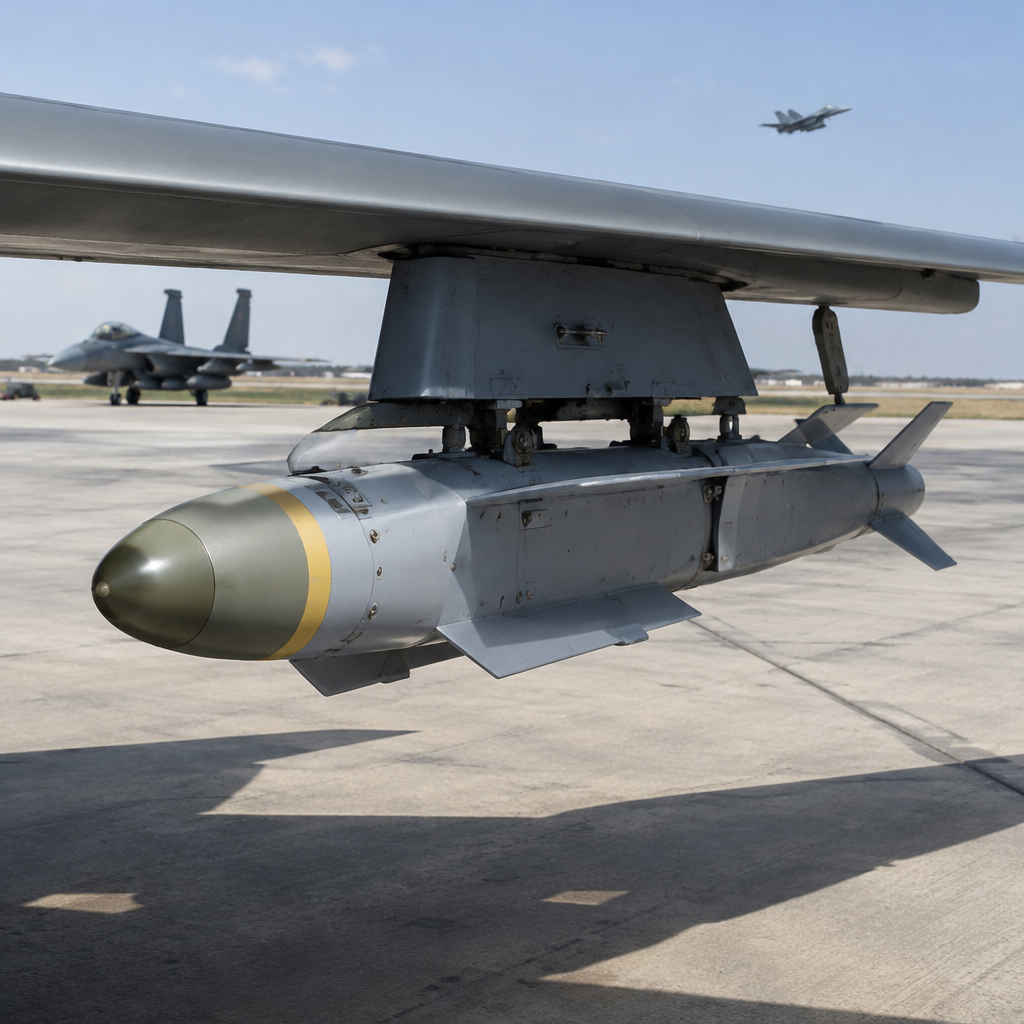
That stark accounting underpins a simple conclusion in the CSIS analysis cited by the source: when incoming strike weapons are cheap, propeller-driven drones, the old model of shooting costly, rocket-propelled, radar-guided interceptors becomes unsustainable. Modern air-defence systems can protect high-value targets, but they are ill-suited for prolonged conflicts in which the primary aerial threat is not ballistic missiles; sooner or later, rationing of expensive interceptors must begin.
Directed-energy weapons: cheap shots, short reach
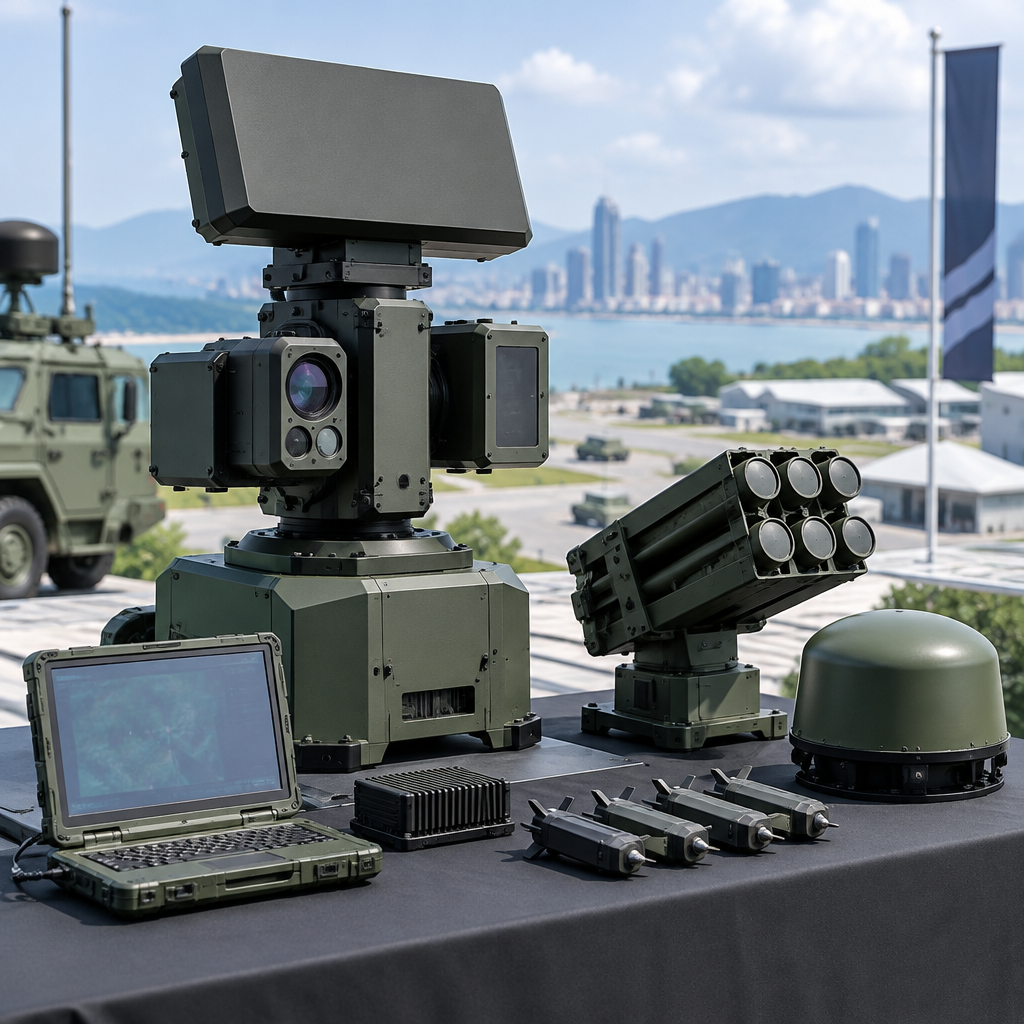
Directed-energy systems offer attractive engagement economics. High-power microwave systems can, in principle, disable not just one drone but an entire swarm by disrupting electronics — their “ammunition” is electricity rather than a missile. High-energy lasers are similarly economical on a per-shot basis but can engage only one target at a time. The Leonardo DragonFire laser developed for Britain is cited as an example: shots cost £10 each and are precise enough to hit a £1 coin a kilometre away.
Those advantages come with clear limits. Directed-energy ranges are measured in a few kilometres, and high-energy lasers lose effectiveness in adverse weather. That makes them most useful for defending specific, high-value sites rather than wide-area defence. The source notes that Iran targeted air-defence radars at US military bases in the Middle East — short-range directed-energy systems might have economically protected those assets.

Audit-ready is a season. It shouldn't be.
Evidence in spreadsheets, controls drifting between audits, frameworks multiplying on flat headcount. Nubivance runs continuous compliance on Rapid7 Cyber GRC - SOC 2, HIPAA, ISO 27001, PCI, CMMC.
End the scrambleElectromagnetic warfare: jamming and the guidance arms race
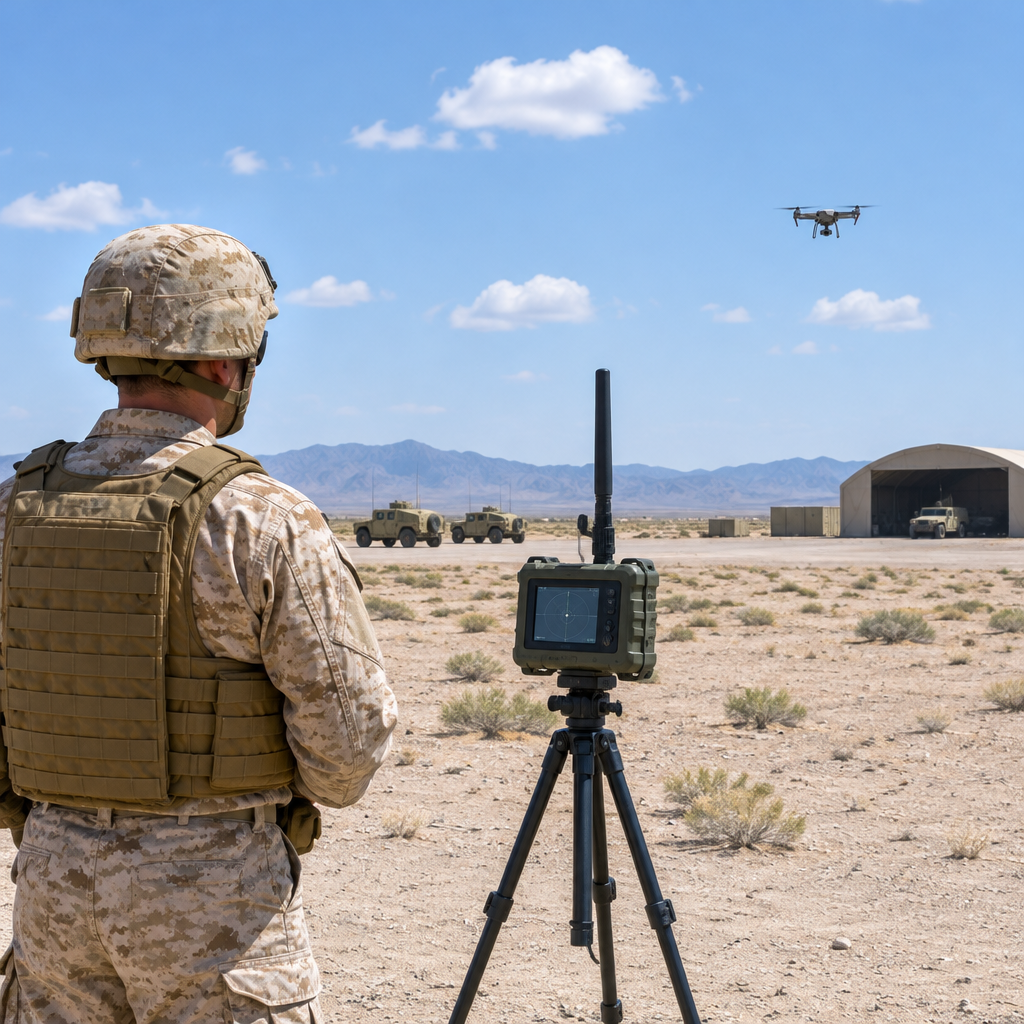
Jamming radio signals used for guidance is a proven non-kinetic layer, and electromagnetic warfare can be a cost-effective counter. It is, however, a cat-and-mouse game: drone designers continuously adapt navigation and guidance to evade jamming. The source underscores one concrete limit — more capable drones can navigate autonomously using optical scene-matching guidance, in which case there is no radio link to jam.
Traditional guns and propeller interceptors: proven, local, economical
Conventional anti-aircraft guns have regained attention. In Ukraine they have been effective against slow, low-altitude drones and some jet-propelled cruise missiles at low cost per engagement. The 35 mm Gepard is singled out: it destroys a Shahed for roughly US$300 to US$1,000 per engagement and uses a radar-guided fire-control system that enables all-weather, day-and-night targeting.
Guns have short ranges compared with missile systems but are far cheaper to procure, allowing defenders to field enough batteries to cover wide approaches to cities and other areas. Still, guns are less useful against faster, jet-propelled drones; their presence has nevertheless driven up the cost to attackers in Russia’s war on Ukraine.
Propeller-driven interceptor drones and Ukrainian technology partnerships
Propeller-driven interceptor drones combine low unit cost with the agility needed to defeat similarly slow strike drones. Ukrainian companies have developed interceptor drones for as little as US$2,500 per round. By February 2026 these weapons accounted for 70 percent of Russian Shahed intercepts in the Kyiv region and for most Russian drone intercepts over Kyiv and other cities.
Those results have prompted interest abroad. The source reports that Gulf states took note, and that Ukrainian President Volodymyr Zelenskyy’s visits to Saudi Arabia, the United Arab Emirates and Qatar in late March 2026 concluded with 10-year defence cooperation agreements specifically covering interceptor drone technology, coproduction facilities and counter-drone expertise. The trade-off is clear: propeller-driven interceptors lose effectiveness as targets become faster, for example if attackers shift to jet propulsion.
Passive defence: the underestimated layer
Perhaps the most overlooked set of measures is passive defence. The source argues that no air-defence architecture will be impenetrable and that a single munition may still get through. Effects can be reduced by hardening bases, dispersing aircraft, building redundant infrastructure and establishing hardened civilian shelters to lower psychological impact. Every country, the piece concludes, should explore how to harden critical infrastructure including power plants, fuel depots and command centres.
What this means for technologists, procurement leaders, and civilians
- Technologists and security teams: expect continued demand for short-range directed-energy systems, high-power microwaves and improved autonomous guidance countermeasures — all with attention to range and weather limitations.
- Procurement leaders and militaries: the financial math favors layered defences that mix inexpensive kinetic options (guns, propeller interceptors) with non-kinetic tools (jamming, microwaves, lasers) and investments in passive hardening rather than reliance on costly interceptors alone.
- Civilians and infrastructure managers: hardening and redundancy are practical, cost-effective ways to reduce damage and psychological impact when point defences are bypassed.
The lesson from recent conflict is blunt: economics shapes survival. Cheap, propeller-driven strike weapons force defenders to assemble equally economical and layered responses — directed energy where short-range precision suffices, jamming while it works, guns and propeller interceptors for local defence, and passive measures to blunt the inevitable penetrations. The question left on the table is not whether defenders must change, but how quickly they will reconfigure procurement, doctrine and infrastructure to match the new cost curve.