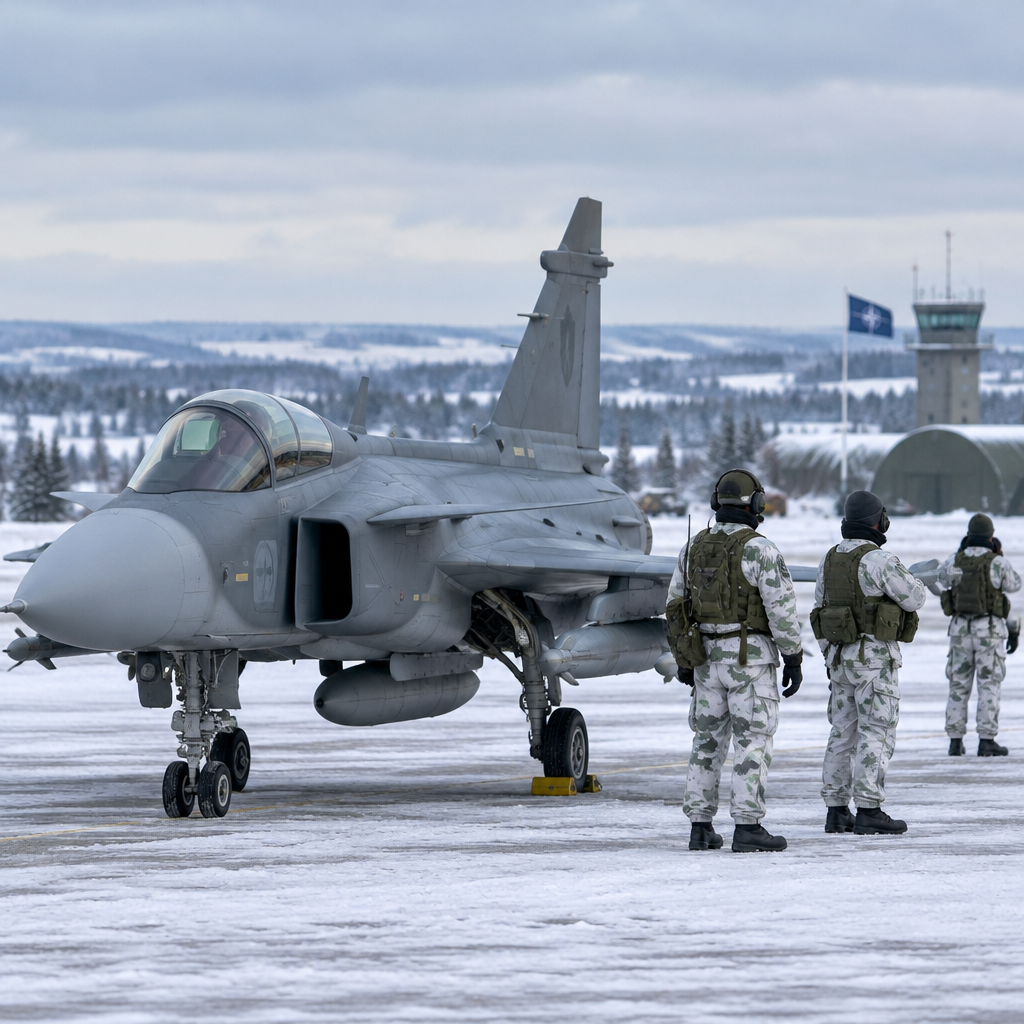
"If your organisation supports military procurement or supplies equipment to Ukraine’s armed forces, it could be a target," reads a fresh joint alert from MI5, the UK Ministry of Defence and the National Protective Security Authority.
MI5 and the National Protective Security Authority issue a joint warning
In a joint notice released today, Britain’s domestic spy service through its National Protective Security Authority — described in the alert as an arm of the domestic spy service — and the UK Ministry of Defence warned that Russian proxies have stepped up sabotage efforts against defence-related facilities in Europe. The bulletin says Russia has recently "increased attempts to conduct sabotage against European defence-related facilities," and that such efforts are principally carried out by proxy actors using what the agencies call "low-sophistication sabotage methodologies, such as arson."
Technique spotlight: proxy actors and arson
The alert frames the current pattern of hostile activity as driven not only by direct intelligence operations but by proxy actors employing straightforward physical attacks. It explicitly lists arson as a method and links these sabotage attempts to broader hostile campaigns that may include "intimidation of individuals, espionage and information operations." The agencies caution that the sabotage is "intended to undermine support for Ukraine," situating the attacks within a political objective as described in the notice.

This site is the portfolio.
OSINTSights runs on Cloudflare Workers, D1, R2, and Vectorize, with an AI pipeline on Hetzner ARM. Nubivance designed, built, and operates it. We do the same for clients.
See what we buildNamed concerns: suppliers to Ukraine and local defence firms
MI5 and its partners single out British defence companies and local suppliers of military aid to Ukraine as at risk. The alert warns that organisations involved in military procurement or supplying equipment to Ukraine's armed forces "could be a target." It also places the UK warning in a regional context, noting that both Estonian authorities and German authorities have publicly accused Russian intelligence of being behind sabotage plots in recent months.
Practical countermeasures urged: digital hygiene, perimeter controls and rehearsed responses
The advisory sets out a series of immediate steps it urges industry to take to reduce vulnerability. On information exposure, the agencies tell organisations to "review publicly-available information and remove unnecessary detail about products, facilities, operations and staff roles" to limit hostile actors' ability to "identify your organisation or people as targets" and to conduct reconnaissance.
On physical security and detection, the notice advises establishing "clear site perimeters" and installing "visible protective security measures as appropriate to your site's profile and risk," and it calls for processes that detect "hostile reconnaissance" by cultivating a "security-conscious workforce that will recognise and report suspicious activity."
For incident preparedness, the alert recommends organisations "develop, test and rehearse procedures for responding to suspicious activity, suspicious items and attack methodologies such as arson" to minimise the impact should an attack occur.
What this means for UK defence firms, procurement teams, and site security workforces
- UK defence firms: Firms that support military procurement or supply equipment to Ukraine are flagged explicitly as potential targets and are urged to reduce public-facing detail about facilities, products and staff roles.
- Procurement teams and suppliers: Procurement functions should expect scrutiny of publicly available procurement and supplier information and may need to balance transparency with tighter operational security measures as recommended by the alert.
- Site security workforces: Security teams are directed to prioritise detection of "hostile reconnaissance," reinforce clear site perimeters, install visible security measures where appropriate, and rehearse responses to arson and suspicious items.
The advisory follows the UK convening "secretive meetings with CEOs from the defence and critical infrastructure industries" to address "threats posed by Russia," indicating a coordinated push from government to industry. The instructions in today's note are focused, actionable and principally physical: shrink digital footprints, harden perimeters, train staff to spot reconnaissance, and rehearse responses to arson. Whether those measures will reduce the recent string of sabotage incidents described in the alert — and how quickly firms will implement them after the government’s private engagements with industry leaders — remains the immediate operational question.