Meta’s New Frontier: Augmented Warfare in an Age of Virtual Reality
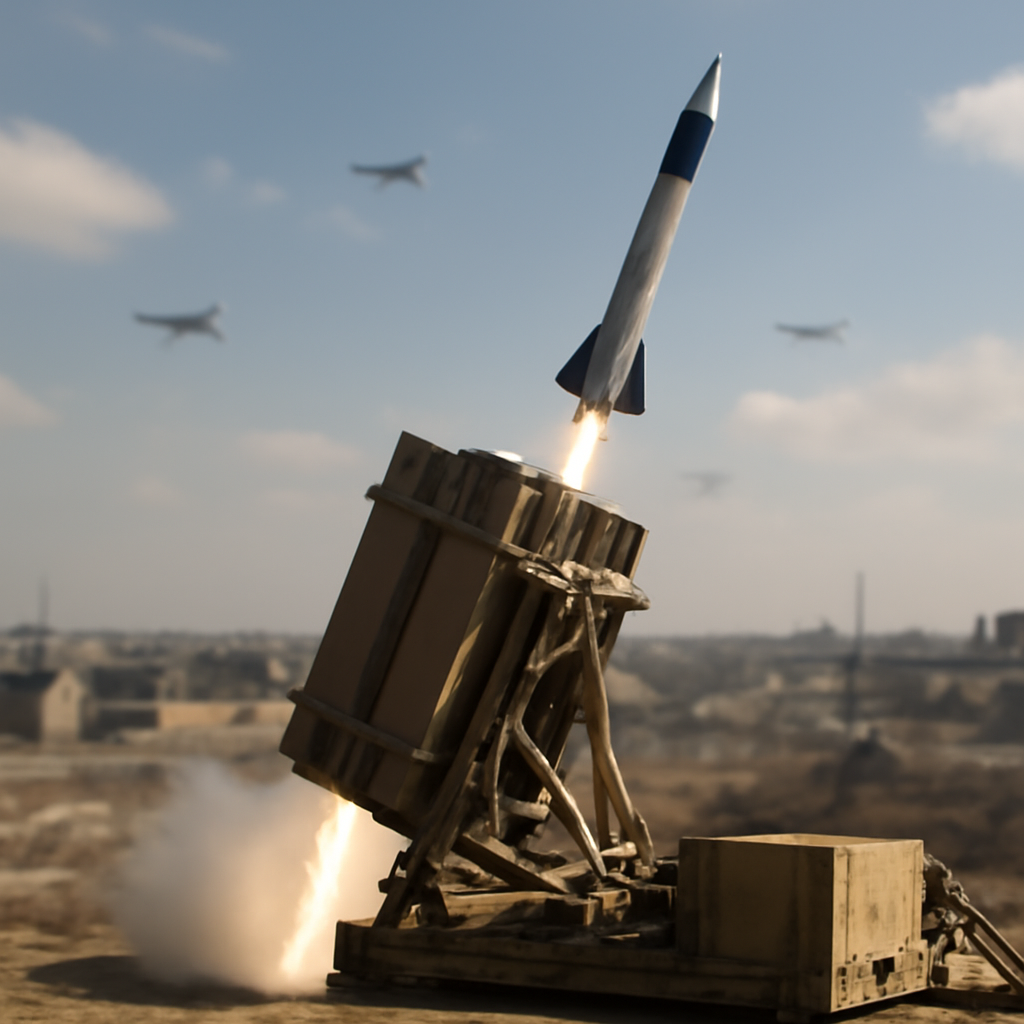
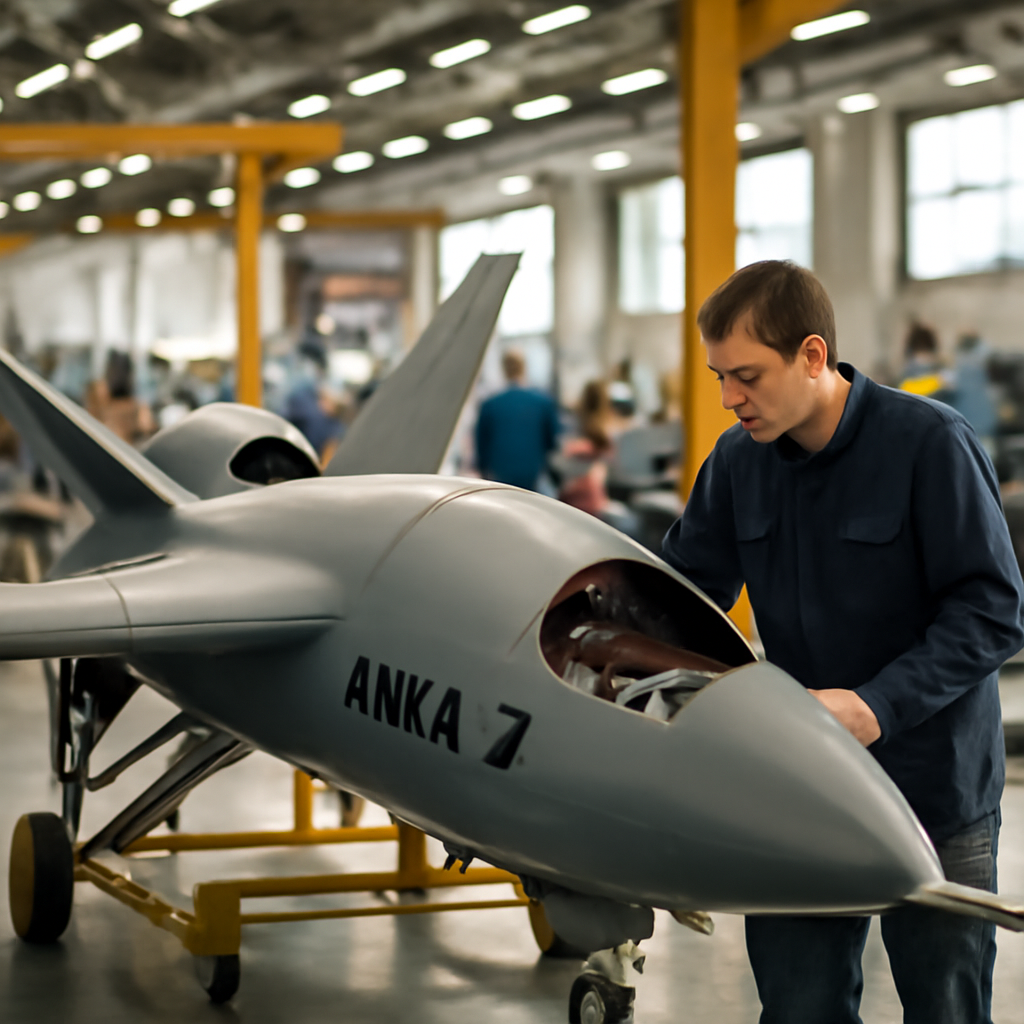
Meta Platforms Inc., formerly known as Facebook, has taken an unexpected turn into the defense sector. In a strategic pivot that has raised eyebrows across both technology and military circles, Meta is partnering with the defense technology firm Anduril Industries to develop augmented and virtual reality systems targeted for military use.
The collaboration builds upon long-standing ties–and tensions–that date back nearly a decade. Notably, eight years ago, Meta severed a connection with Palmer Luckey, the former founder of Anduril. That decision, long considered to be part of the company’s early identity pivot, now finds a surprising echo in today’s defense initiative.
Framed by an emerging motto that reads, “Giving people the power to build community and bring the world closer together so we can shoot them,” industry observers are grappling with the dual meanings of Meta’s new direction. At its core, Meta’s ambition appears to be a reinvention of its technological strengths. While its social media legacy is built on connecting individuals and forming communities, the company is now leveraging that expertise in an entirely different arena—one that marries cutting-edge digital environments with tangible military applications.
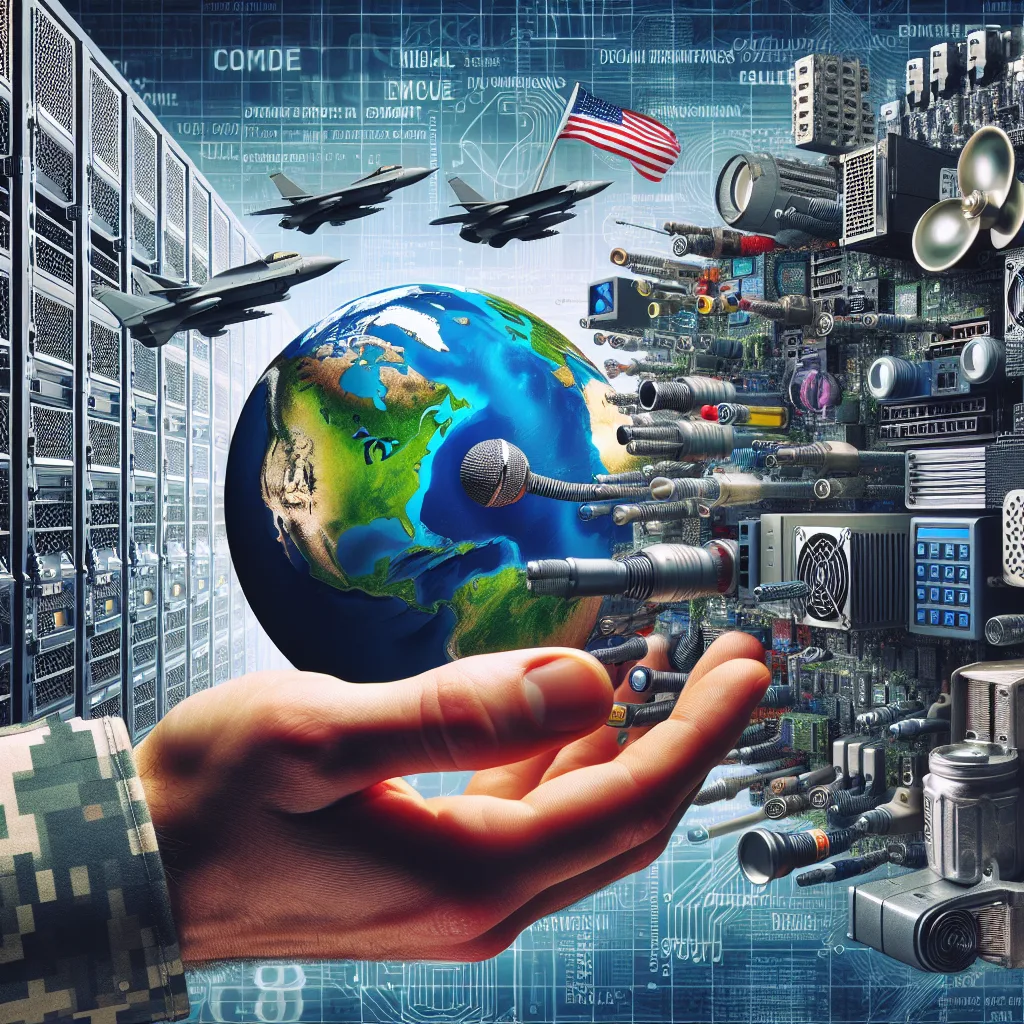
Historically, the tech industry’s intersection with defense has been a complex dance. Over the past three decades, advancements in digital technology have often shaped, and in turn been shaped by, military needs. In recent years, however, the rapid evolution of augmented and virtual reality has redefined possibilities. Meta and Anduril’s joined efforts may signal a new chapter where digital-physical convergence isn’t confined merely to entertainment or commercial use, but becomes a tool for national security and battlefield strategy.
Current reports confirm that the defense partnership will focus on developing immersive systems designed to offer military personnel enhanced situational awareness. By harnessing augmented reality, soldiers might soon access critical information in real time, overlayed on their actual environment—providing edge-of-the-envelope insights into complex combat scenarios.
This movement is not just an isolated venture; it reflects broader trends in which major technology companies are finding novel ways to monetize their technical prowess while serving national interests. In this case, industry insiders indicate that the partnership could dramatically reshape defense training, simulation, and operational command, all at the intersection of digital innovation and military strategy.
Several factors render this development particularly significant:
- Technological Integration: The venture promises to integrate Meta’s expertise in virtual environments with Anduril’s established defense protocols, perhaps heralding a new age of military simulation and engagement where digital information is as crucial as physical weaponry.
- Economic Repercussions: Analysts observe that such public-private partnerships can fuel new revenue streams for tech companies, diversifying income sources while simultaneously addressing national security concerns.
- Stakeholder Perspectives: Military officials, technologists, and even policy experts have weighed in on this initiative. While some applaud the potential for advanced training and improved battlefield awareness, others raise important questions regarding oversight, accountability, and the ethical dimensions of deploying such capabilities in combat zones.
Renowned defense analyst Michael O’Hanlon of the Brookings Institution notes, “Bridging advanced digital technologies with military applications isn’t simply a matter of enhancing operational effectiveness. It is also a matter of recalibrating how we think about the ethics and accountability of warfare in an increasingly digitized battlefield.” O’Hanlon’s perspective underscores the dual-edged nature of the venture, where strategic innovation comes hand-in-hand with critical ethical considerations.
In parallel, technology policy experts like those at the Center for Strategic and International Studies (CSIS) have monitored the project with close interest. Their cautionary stance reminds us that while the technical breakthroughs may be impressive, the implications for privacy, civil liberties, and international norms cannot be overlooked. The partnership raises foundational questions: How do we balance the imperatives of national defense with established norms of digital rights and human oversight? And what does it mean for companies historically seen as bearers of individual empowerment, now stepping into roles that directly influence the art of combat?
What is clear, however, is that Meta’s new direction is far from a routine corporate pivot. The move signifies an evolutionary leap where the digital realms built to foster social connections are being repurposed for defense. The company’s decision to reengage with a project echoing its own complex history with Anduril speaks volumes about how much the lines between consumer technology and military applications have blurred.
Looking ahead, stakeholders and observers alike are watching for policy shifts and regulatory responses. As lawmakers, defense planners, and industry watchdogs recalibrate their oversight mechanisms, the actual deployment of these augmented systems for military purposes will likely become the subject of extensive debate. It remains to be seen how this move will impact international arms control regimes, cybersecurity considerations, and ongoing efforts to balance innovation with ethical imperatives.
Moreover, the partnership raises further intriguing questions about the future role of tech giants in national and even global security landscapes. While it may be premature to predict all of the operational and geopolitical outcomes, analysts suggest that this venture might just be the tip of the iceberg. If successful, similar alliances could emerge between other technology leaders and defense contractors, further transforming the strategic environment.
Ultimately, the evolving relationship between Meta and Anduril encapsulates a broader narrative about the digital age: one where the boundaries between community-building and combat-readiness blur, forcing us to reevaluate what it means to empower individuals—both on social platforms and on the modern battlefield. As this story unfolds, one can only wonder: In a world where virtual realms increasingly meld with the realities of defense, whose responsibility is it to ensure that power is wielded with integrity, precision, and a profound respect for human rights?