"The surface‑launched ASRAAM system has recorded more than 400 intercepts since being fielded in Ukraine," Luke Webster, MBDA’s business‑development manager in the United Kingdom for ASRAAM, told audiences at Farnborough — a combat record that MBDA says now frames its move toward a purpose‑built, mass‑producible counter‑drone round.
MBDA's Counter Mass Interceptor: what it is
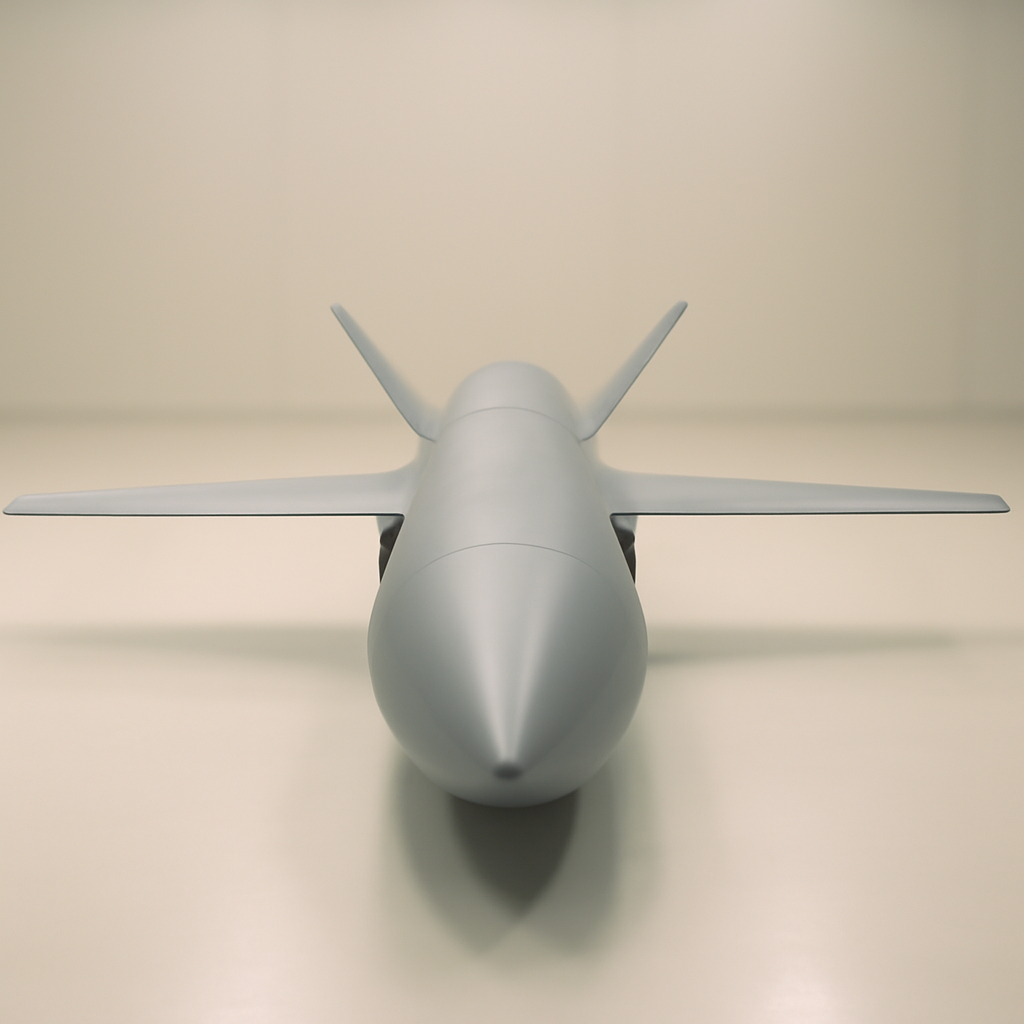
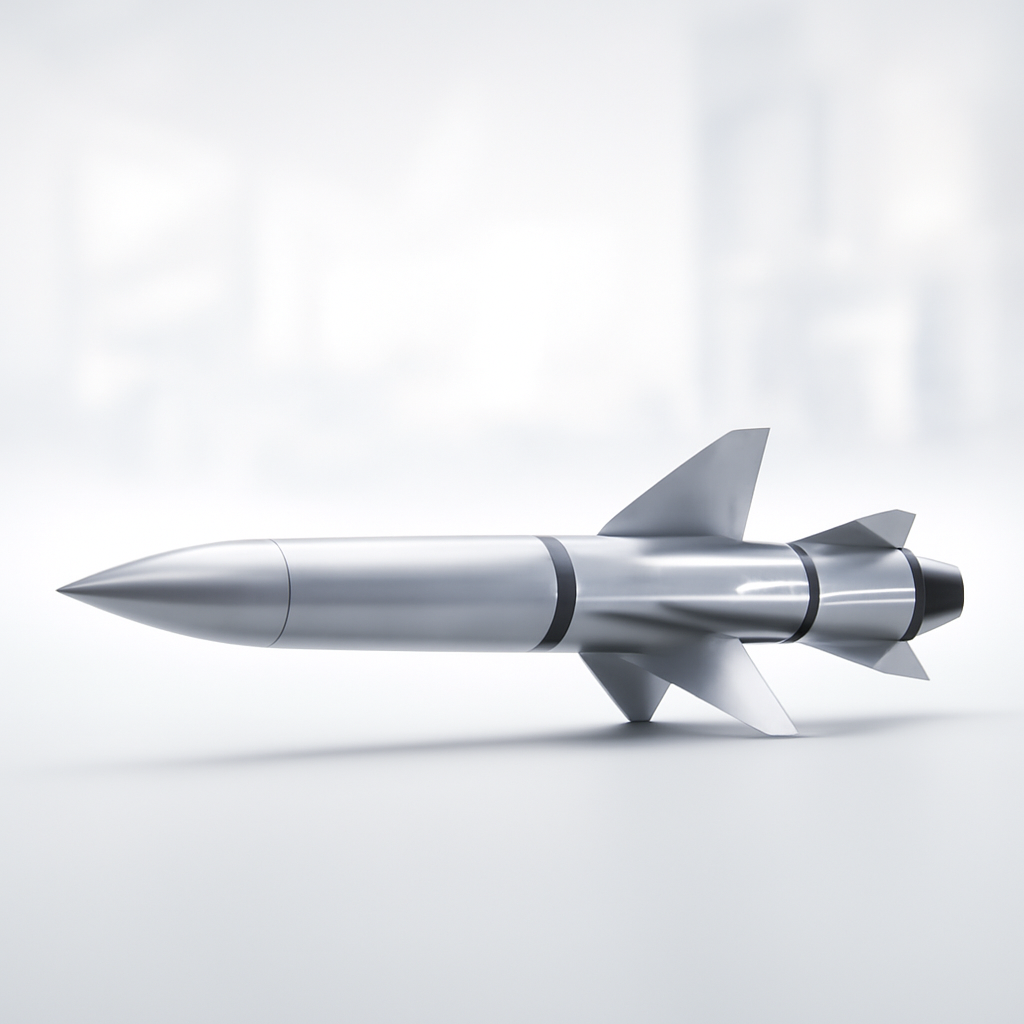
MBDA introduced the Counter Mass Interceptor (CMI) at the Farnborough International Airshow as a "mass‑producible, low‑cost effector" intended for fire‑and‑forget engagements at range and altitude. Designed to be paired with the firm’s ground‑launched Advanced Short‑Range Air‑to‑Air Missile (ASRAAM) air‑defence launcher, the CMI is pitched as a unitary, lower‑tier interceptor that can blunt saturation attacks by cheap uncrewed systems.
Design and performance characteristics of the CMI
The CMI is a physically larger counter‑drone round than many short‑range munitions: it measures 122 mm in diameter, is around 2.3 m long, weighs about 53 kg, and carries a blast‑fragmentation warhead. MBDA says the interceptor can engage targets at more than 6 km. The seeker is described as a fixed field‑of‑view, low‑wave infrared (LWIR) unit; both the CMI and the ASRAAM lock onto a target before launch so the infrared seeker acquires the target while the round is still on the rail and then flies the terminal engagement independently.

Audit-ready is a season. It shouldn't be.
Evidence in spreadsheets, controls drifting between audits, frameworks multiplying on flat headcount. Nubivance runs continuous compliance on Rapid7 Cyber GRC - SOC 2, HIPAA, ISO 27001, PCI, CMMC.
End the scrambleUpgrades to the surface‑launched ASRAAM launcher
Alongside the new interceptor, MBDA has upgraded the surface‑launched ASRAAM launcher with a more capable electro‑optical/infrared sensor and a moving, slewing turret. MBDA says the improved sensor and slewing turret let the system detect and track a wider set of low‑signature targets, including small uncrewed aerial vehicles, before committing a round. The CMI occupies the low end of MBDA’s interceptor tier; the surface‑launched ASRAAM round remains the higher‑capability option in the same launcher family.
Industrial logic: mass production and existing production bases
MBDA emphasizes affordability and volume. The company frames the CMI as a response to a "drone‑saturated battlefield" that requires interceptors producible in numbers. The round’s 122 mm calibre is explicitly linked in the announcement to the widely produced 122 mm rocket‑artillery family; MBDA argues that sharing calibre with an established, high‑volume production base offers a route to lower unit cost rather than building bespoke, expensive production lines. MBDA also said the effort began as a quick‑reaction program to aid Ukraine but was converted last year into a formal program with planned upgrades to "drive further demand at home and abroad," moving a field‑expedient solution toward a productized capability.
Context at Farnborough and immediate operational logic
MBDA’s launch came amid a broader Farnborough theme of lower‑cost interceptors. Destinus unveiled its Vorexon counter‑rocket interceptor at the same show, and Lockheed Martin announced a lower‑cost Patriot interceptor. Within that competitive field, MBDA positions the CMI as the affordable, mass‑producible effector beneath its more capable surface‑launched ASRAAM round. The company frames the pairing as a tactical cost‑management measure: use the cheaper CMI against low‑end threats such as small drones (and "some basic helicopters that lack countermeasures") and hold the more capable ASRAAM round for harder targets and those requiring more sophisticated kill mechanisms.
How MBDA, Ukrainian forces, and procurement leaders are likely to act
- MBDA: The firm is productizing a quick‑reaction capability that had operational validation; converting the effort into a formal program last year signals an intent to push upgrades, expand marketing, and pursue wider export and domestic demand.
- Ukrainian forces (end users): MBDA cites the surface‑launched ASRAAM’s combat record in Ukraine — more than 400 intercepts — as the reference point for the program. That record is being used to justify moving from an improvised response toward a standardized, mass‑produced effector that can be fielded in greater numbers.
- Procurement leaders and defence planners: The CMI’s design logic — a 122 mm calibre aimed at leveraging high‑volume production bases, combined with a lower unit price to counter massed low‑cost threats — creates a procurement proposition focused on scale and cost per engagement rather than a single high‑performance missile for all contingencies.
MBDA’s CMI is not presented as a replacement for higher‑end interceptors but as a complement: a cheaper, mass‑producible round to blunt swarms and low‑signature threats while preserving more capable rounds for complex targets. The company moved the effort from an improvised response tied to combat experience in Ukraine into a formal program last year, and the Farnborough unveiling makes explicit the industrial and tactical arguments underpinning that shift. Whether fielded widely will depend on buyers' appetite for a larger, 122 mm‑calibre counter‑drone round that trades compactness for range, mass and the economics of high‑volume production.