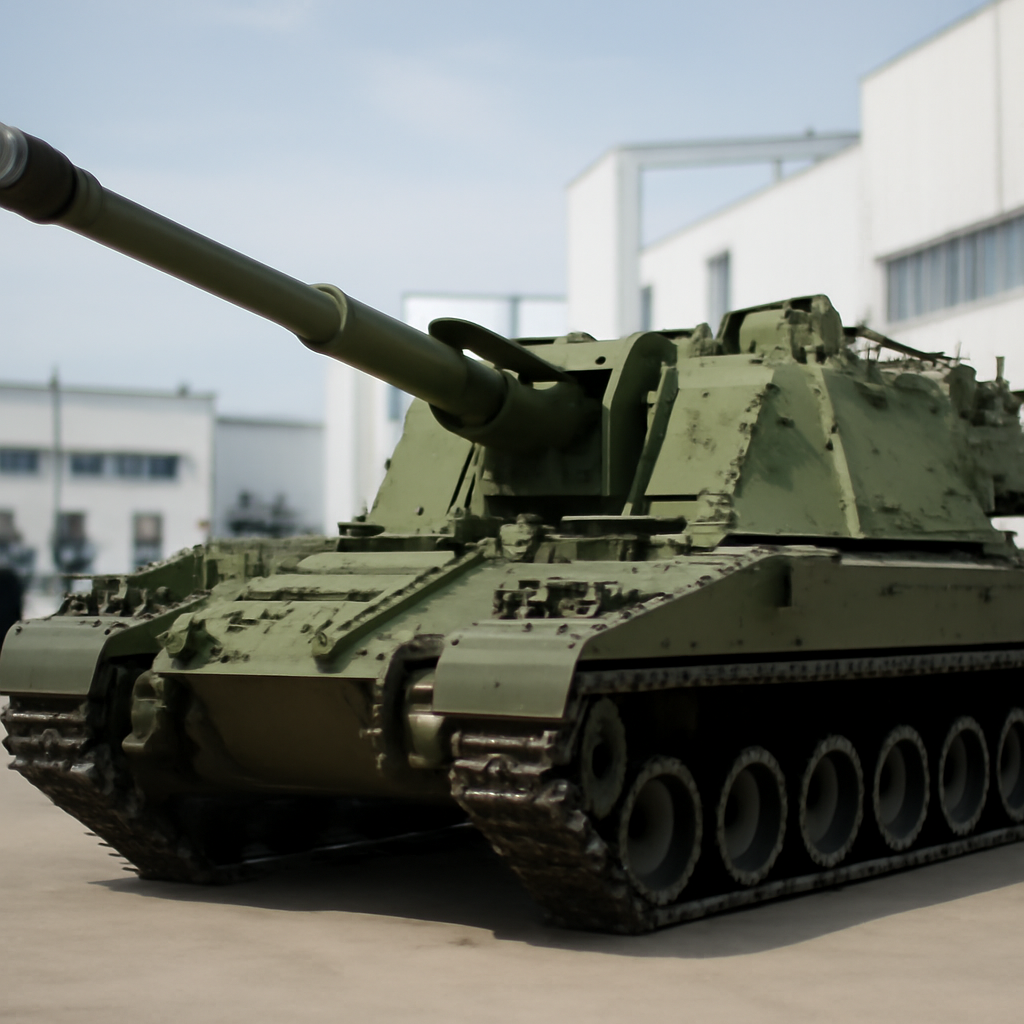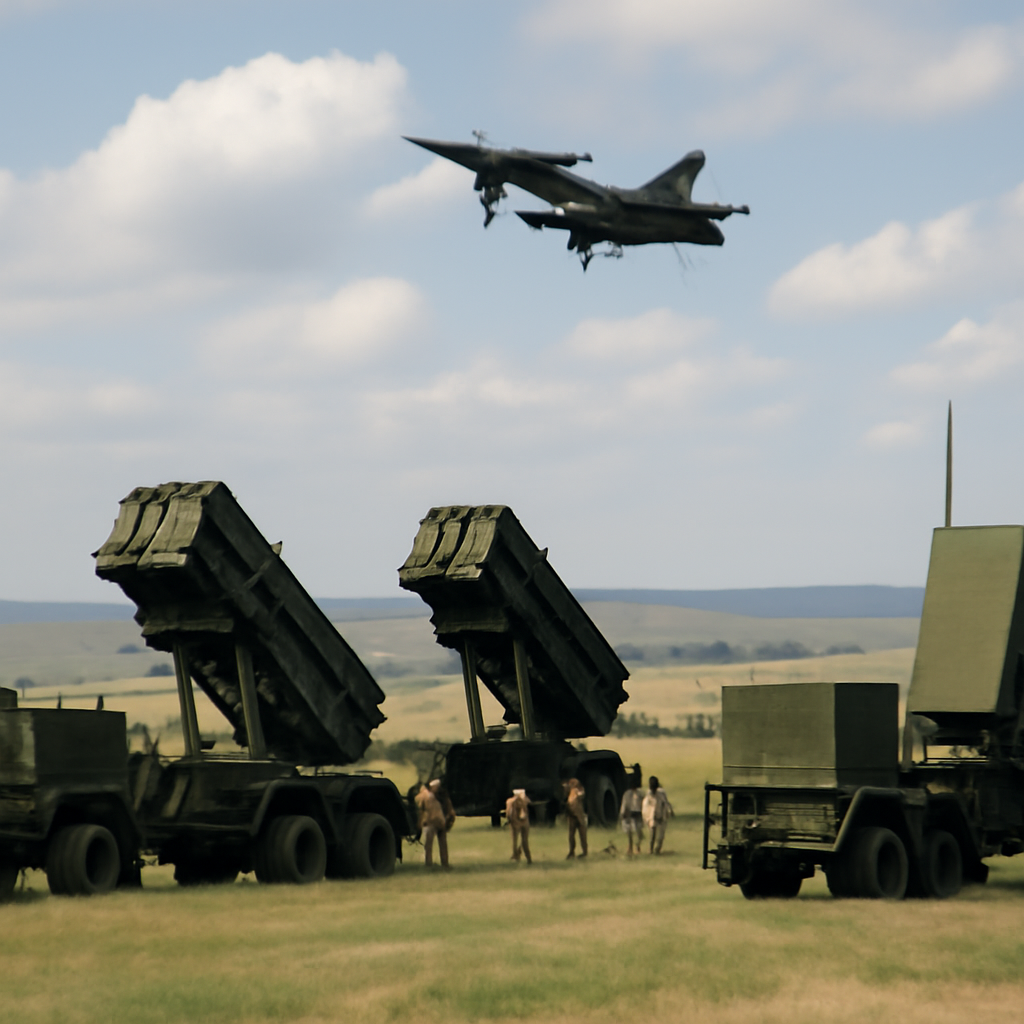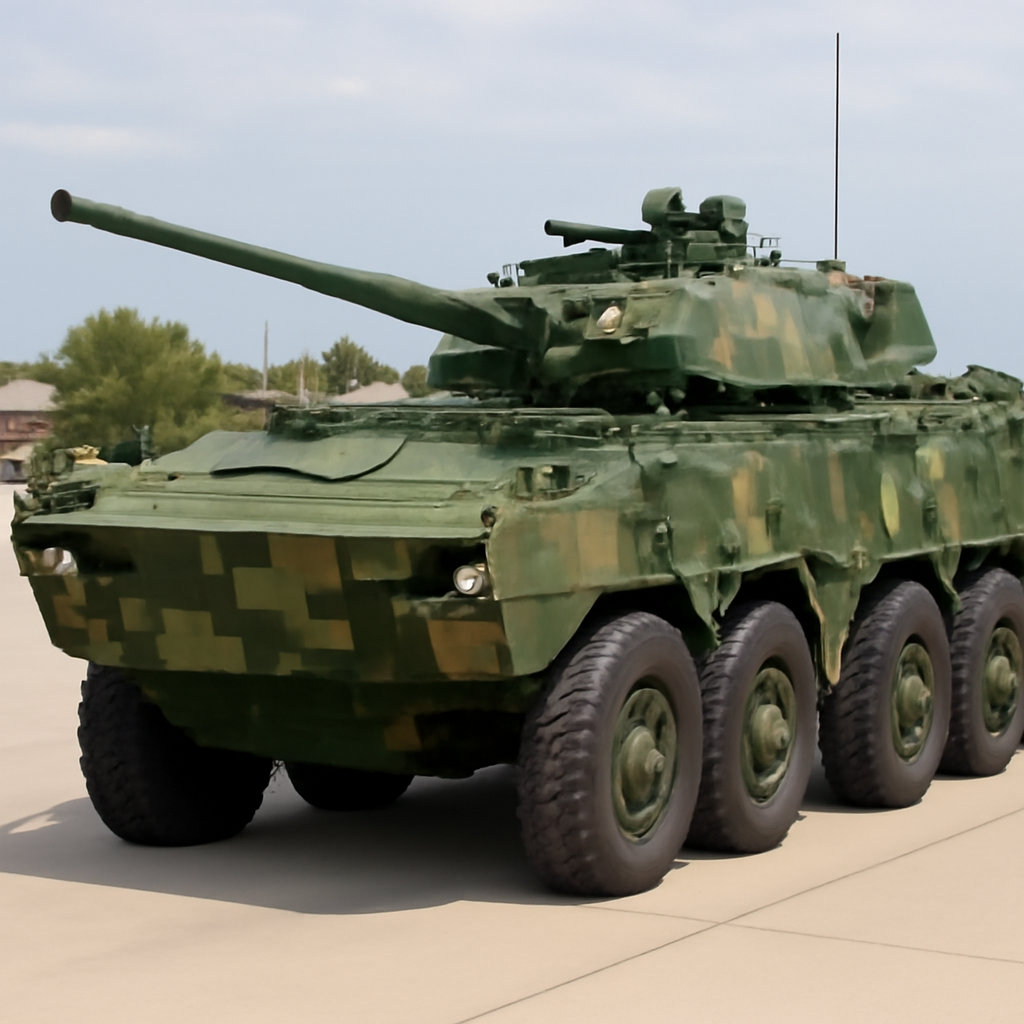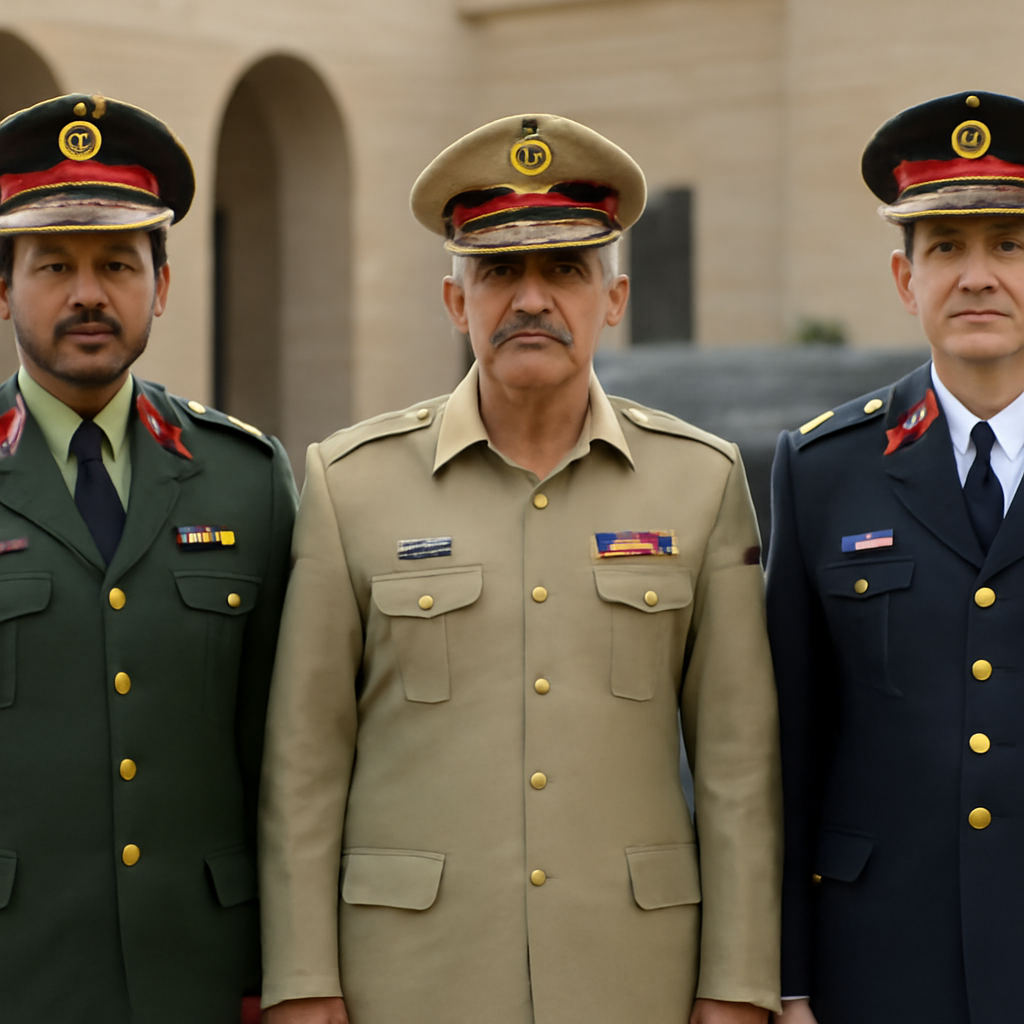
"develop and integrate their respective defense capabilities" — Rayed Krimly, Saudi Deputy Minister for Public Diplomacy, on the Makkah Joint Defence Agreement.
What accelerated on 05 October and what the MJDA legally binds
On 05 October, Saudi Arabia, Pakistan, and Türkiye agreed to accelerate military deployments to the kingdom under the Makkah Joint Defence Agreement (MJDA), a pact signed on 07 August that treats “an armed attack against one member as an attack against all three.” The deployments remain framed as subject to each member’s national legislation, and Quwa’s reporting underscores that decisions to move forces are constrained by domestic legal and parliamentary processes.
Pakistan: reported troop numbers, official responses, and capacity limits
Public reporting and official responses present conflicting portraits of Pakistan’s footprint in Saudi Arabia. Reuters, citing an unnamed Pakistani official on 02 October, reported that Pakistan had 30,000 to 40,000 soldiers in Saudi Arabia, primarily for border defence and air-defence purposes. Pakistan’s Ministry of Information and Broadcasting disputed Reuters’ numbers and details on 06 October, saying operational information was confidential and challenging that reporting without offering an alternative troop figure. Lieutenant General Ahmed Sharif Chaudhry, head of Pakistan’s Inter-Services Public Relations, told CNN on 07 October that Pakistani military personnel were already in Saudi Arabia in the context of a “preexisting, historical presence,” but he did not clarify whether additional personnel had been deployed under the MJDA or whether Riyadh’s expectation of allied support from Pakistan had been accepted in full.

Audit-ready is a season. It shouldn't be.
Evidence in spreadsheets, controls drifting between audits, frameworks multiplying on flat headcount. Nubivance runs continuous compliance on Rapid7 Cyber GRC - SOC 2, HIPAA, ISO 27001, PCI, CMMC.
End the scrambleTürkiye: technical and defensive contributions, parliamentary ratification, and industry aims
Reporting attributed to Reuters on 07 October described Türkiye’s assistance as mainly technical and defensive: equipment, intelligence support, drone operators, planning, and logistics. Turkish officials told reporters that much of this assistance would proceed bilaterally while the MJDA awaited parliamentary ratification; Ömer Çelik, the ruling AK Party’s spokesperson, said submission to parliament was expected within days. Middle East Eye (summarized by Turkish Minute) reported on 06 October that Turkish plans could include additional equipment, technicians and a command base, with special forces, pilots and aircraft potentially following parliamentary authorization. MEE’s sources also said Turkish technical teams, air-defence systems and electronic-warfare equipment had been present since last year. Separate statements in August and mid-August emphasized an industrial and capacity-building angle: Turkish Foreign Minister Hakan Fidan said leaders discussed “cooperation in the defense industry and countries benefiting from each other’s technologies,” and Türkiye’s defence ministry on 13 August identified “joint development and production, technology cooperation, and sustainable maintenance and logistics support” among the pact’s aims.
Operational frictions: institutional gaps, divergent expectations, and fiscal constraints
Quwa’s analysis identifies several friction points that could limit the MJDA’s practical effect. First, the MJDA is newly constituted; joint institutions, force-integration mechanisms and doctrine remain underdeveloped, creating a lead time before the pact can operate effectively in major conflicts. Second, Riyadh, Ankara and Islamabad appear to have entered the agreement with different expectations. Saudi officials see the MJDA as supplementing long-standing security ties with the United States and as a potential source of military capability to deter or respond kinetically; Pakistan and Türkiye emphasized that the pact did not target any particular country at signing. Reuters additionally reported that the US is providing military advisers and intelligence, including targeting information, while declining Saudi requests for direct combat support such as air strikes — a dynamic that may shape Saudi expectations of what the MJDA should deliver.
Third, Pakistan’s ability to shift forces is constrained by competing commitments and financial burdens. Quwa notes Pakistan’s need to retain a conventional posture against India under the “post-May 2025 overhang” and to sustain counterinsurgency responsibilities along the Afghan frontier. Historical precedents, including contemporaneous reporting from December 1982 that Saudi assistance helped with a down payment on Pakistan’s first 40 F-16s, are cited to show that fiscal support has mattered to Pakistan’s ability to accept external commitments. Quwa warns that without direct fiscal support to offset Pakistan’s structural obligations, Islamabad’s pledges risk outstripping its means.
How Pakistan, Türkiye, and Saudi Arabia will respond
- Pakistan: Officials have emphasized political engagement and have not publicly committed to combat deployments in Yemen; moves in support of Riyadh will likely depend on confidential operational decisions and any fiscal or material assistance that reduces Pakistan’s exposure elsewhere.
- Türkiye: Public statements and reporting indicate a preference for a limited, technical and industrial role — providing systems, technicians and logistics rather than large-scale troop deployments — with further steps contingent on parliamentary ratification and defence-industry cooperation.
- Saudi Arabia: Riyadh appears to expect the MJDA to supplement its security relationships by adding external military capability to defend the kingdom’s territory, holy cities and critical infrastructure; how far allied members will go to meet that expectation is unresolved.
The practical effect of the Makkah pact now hinges on three concrete variables that remain open in the record: whether parliamentarian approvals and national legislation will authorize the roles described; whether Pakistan’s capacity and fiscal constraints can be mitigated; and whether the technical and industrial contributions Turkey favors will translate into the kinetic support Riyadh appears to seek. For all three members, the agreement is less a turnkey military coalition than a framework whose meaning will be defined by the next round of parliamentary decisions, confidential operational planning, and the flow of matériel and finance.
Source: Quwa — Makkah Pact Moves Towards Military Deployment