Leonardo M-346 and Bayraktar KIZILELMA: the flight series
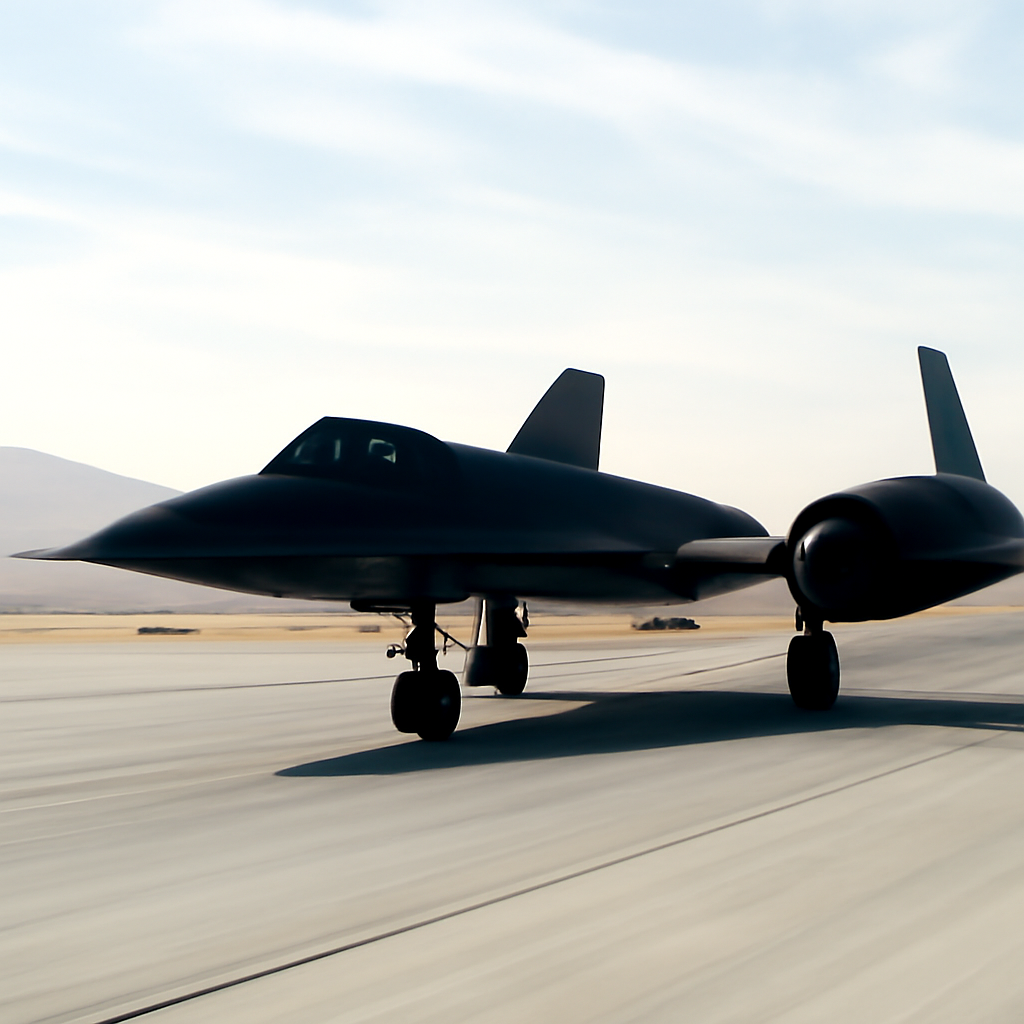
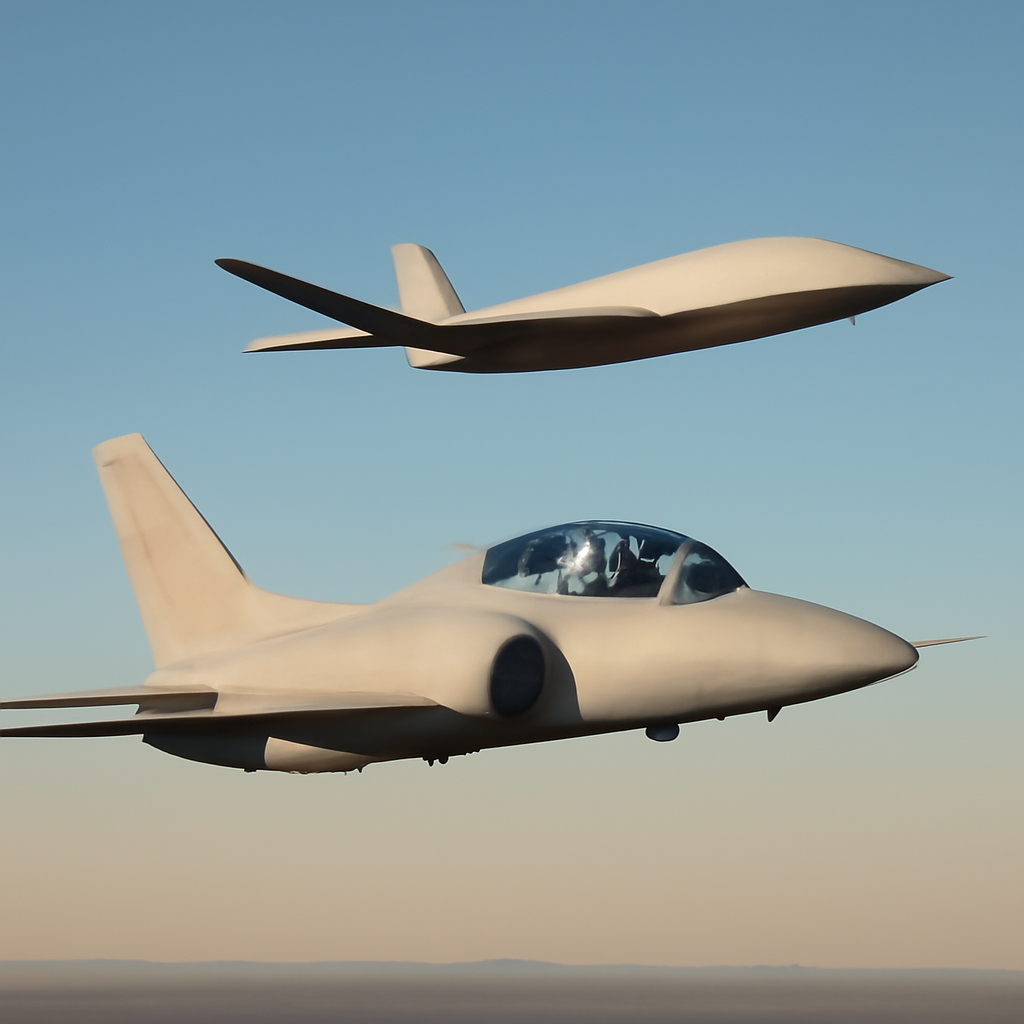
Italian defense firm Leonardo and Turkish Baykar completed the first live test flights intended to evaluate swarming capabilities between crewed and uncrewed platforms. The activity paired two M-346 light attack manned aircraft with one Kizilelma unmanned combat aircraft and, according to the joint statement, delivered a series of autonomous formation flights under the K-SWARM programme.
What the May trials in Çorlu demonstrated
The tests took place in May at one of Baykar’s flight facilities in Corlu, Turkey. They demonstrated the autonomous takeoff and landing of the KIZILELMA aircraft and, importantly, showed that during flight a M-346 was able to take full control of the unmanned aircraft. The companies described the events as the first phase of live testing activities, focused on missions that assessed the underlying swarming algorithms between the aircraft.

This site is the portfolio.
OSINTSights runs on Cloudflare Workers, D1, R2, and Vectorize, with an AI pipeline on Hetzner ARM. Nubivance designed, built, and operates it. We do the same for clients.
See what we buildHow the platforms exchanged information
The trials used “an advanced radio frequency data exchange system” that, the companies said, allowed for the synchronization of all data shared between the M-346 and KIZILELMA platforms. That exchange was central to allowing one platform to assume control of the other in flight and to permit coordinated, autonomous formation behavior across the manned-unmanned pairing.
K-SWARM’s aim and immediate next step
Per the joint release, the programme is aimed at designing and developing interoperability between crewed and uncrewed aircraft. The recent flights were described as the programme’s first live-testing phase; the next step will expand the experiment to include a larger number of assets, moving beyond the two-to-one configuration used in these initial sorties.
Context: a joint venture and a broader trend among air forces
Leonardo and Baykar established a joint venture in June 2025 to cooperate in developing unmanned systems; the K-SWARM live trials are the first publicly reported airborne outcome since that agreement. The companies’ flight series comes as air forces around the globe are racing to augment next-generation fighter jets with unmanned, loyal-wingman aircraft. The statement cites a recent precedent outside the Leonardo–Baykar work: “In 2025, a pilot flying an F-22 was able to successfully control a General Atomics MQ-20 Avenger drone from the jet’s cockpit,” underscoring that multiple approaches to crewed-uncrewed teaming are already being flown.
How air forces around the globe, Leonardo and Baykar, and Baykar’s flight-test teams will respond
- Air forces around the globe: The tests provide an operational example of manned-unmanned teaming in flight and will inform decisions about whether, when, and how to field interoperable loyal-wingman capabilities at scale; the next-phase objective to include larger numbers of assets will be a particular point of interest.
- Leonardo and Baykar: Both firms have moved from a corporate joint-venture agreement (June 2025) to live demonstrations; they will likely concentrate on scaling communications, survivability, and command-transfer procedures as they prepare the larger multi-asset trials the statement promised.
- Baykar’s Corlu flight-test teams: The May trials validated autonomous takeoff and landing procedures and in-flight control transfer between platforms at one of Baykar’s facilities—skills that flight-test units will need to repeat reliably as they add more aircraft to formation flights.
The May flights close a first loop: a joint-venture agreement led to live sorties that proved autonomous launch and landing, cross-platform control handoff, and synchronized data exchange via an advanced RF link. The companies say the immediate next step is to scale the concept with a larger number of assets; that expansion will be the clearest test of whether the K-SWARM approach moves from controlled experiment to repeatable operational option.