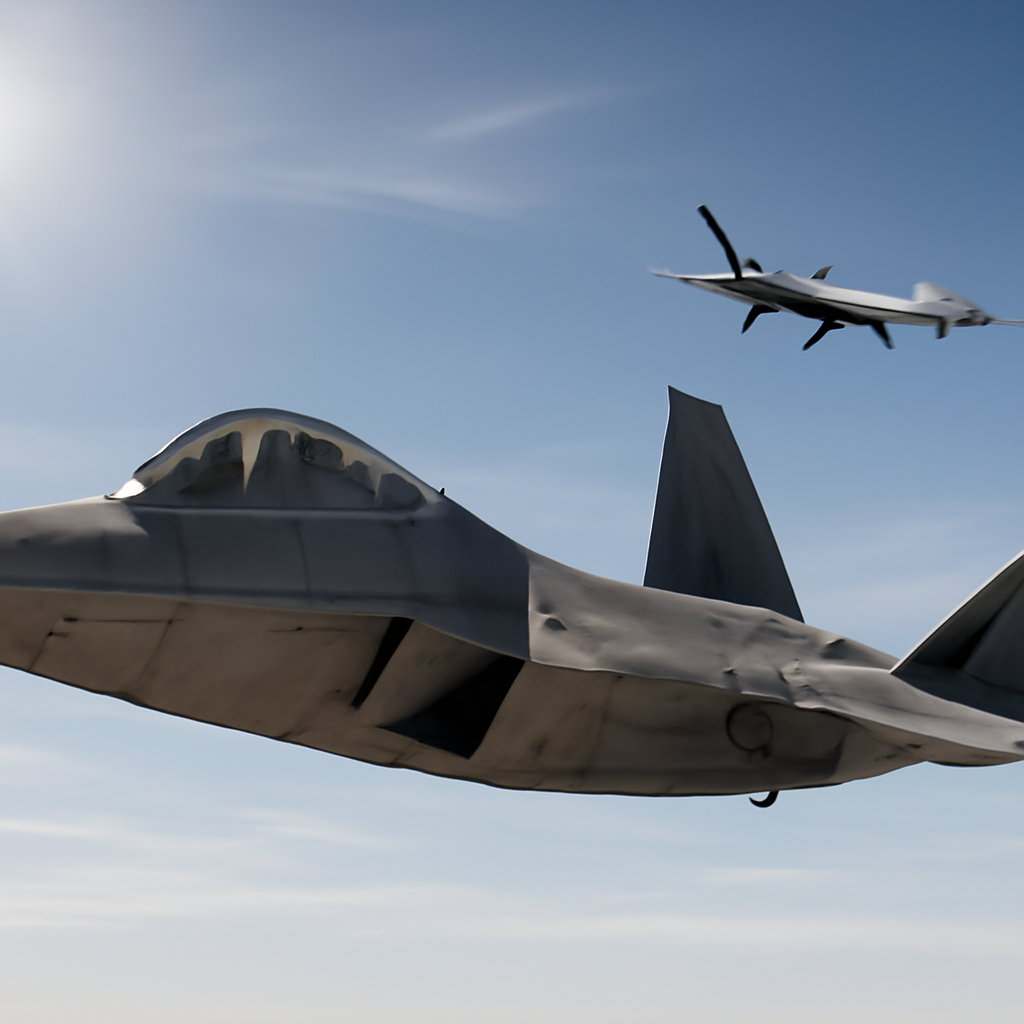
Ukraine and Raytheon: Charting a New Course in Missile Defense Collaboration
In a high-stakes meeting held on May 19, Ukrainian Defense Minister Rustem Umerov and senior executives from U.S. defense contractor Raytheon convened to discuss a deepening of defense cooperation between Kyiv and one of America’s leading missile defense firms. The talks, which emphasized a closer collaboration on air and missile defense systems—most notably the esteemed Patriot platform—occur at a time when evolving regional security dynamics are compelling Ukraine to bolster its defensive capabilities.
The conversation, described by Minister Umerov as “productive,” centered around expanding strategic and technological partnerships. Senior Raytheon representative Joseph DeAntona, known within defense circles for his expertise and measured approach to international defense partnerships, played a key role. The dialogue reflects not just a diplomatic engagement but a converging recognition of the mutual benefits of fortifying air defense systems in a region still bearing the scars of prolonged conflict.
Historically, Ukraine has demonstrated a pragmatic approach to defense modernization by engaging with Western partners to secure technology transfers and systems updates. Over the past decade, Kyiv’s defense procurement has gradually shifted from reactive acquisitions to a forward-looking strategy focusing on interoperability and integration with NATO systems. The current initiative with Raytheon comes as no surprise to analysts who have noted the increasing reliance on advanced missile defense as a critical component of Ukraine’s security infrastructure.
Umerov’s recent meeting with Raytheon executives is emblematic of a broader trend: the recalibration of Ukraine’s defense posture in response to a rapidly shifting geopolitical landscape. This partnership is not merely about technology—it is about reinforcing confidence in Kyiv’s long-term security framework at a time when Eastern European security is under intense scrutiny. The potential upgrade and diversification of Ukraine’s air and missile defense systems offer a layered approach that could prove pivotal should the regional balance of power continue to experience strain.
As the partnership unfolds, it generates valuable insights for policymakers and defense strategists alike. One of the central pillars of the ongoing discussions involves the Patriot missile system. Praised for its reliability and precision, the Patriot platform has been a cornerstone of U.S. ally defense strategies around the world, undergoing numerous enhancements since its inception. The inclusion of this system in Ukraine’s defensive arsenal would not only enhance operational readiness but also signal a high level of interoperability with Western forces—a key consideration for future collective defense measures.
Industry observers point out several factors driving the current cooperation. Among these is the pressing need to counter potential missile threats that could emerge from evolving regional conflicts and the ever-present risk of technological asymmetries. The precedent set by previous defense deals in Eastern Europe, underpinned by robust performance during live operations and simulated exercises, has bolstered confidence in pursuing such partnerships. Umerov’s remarks and Raytheon’s willingness to engage in deep discussion highlight a shared commitment to elevating Ukraine’s defenses and reinforcing regional stability.
Multiple sources confirm that the meeting was part of a broader series of high-level consultations aimed at aligning Ukraine’s defense capabilities with modern standards. While specific contractual details remain under wraps, industry experts like those at the International Institute for Strategic Studies (IISS) have noted that such initiatives are often accompanied by detailed assessments of both the technological attributes and logistical support required for sustained operations. These discussions suggest that subsequent agreements might include extensive training programs, technology transfer clauses, and long-term maintenance commitments—elements that underscore the multifaceted nature of modern defense procurement.
The strategic implications extend beyond the immediate technical enhancement of Ukraine’s missile defense matrix. In an era where cybersecurity, precision targeting, and rapid response are becoming as critical as traditional munitions, collaboration with a seasoned industry leader like Raytheon could pave the way for integrating innovative solutions into national defense strategies. The deal could include aspects such as real-time data analysis, improved sensor integration, and refined command and control systems—all key components of contemporary defensive doctrines.
From a regional security perspective, the deepening of ties between Kyiv and Raytheon reflects the complicated interplay between national sovereignty and the benefits of international cooperation. For Ukraine, establishing a closer defense partnership with a U.S.-based contractor is a deliberate move toward ensuring ongoing support from Western allies. By reinforcing critical aspects of its defense posture, Ukraine not only safeguards its territorial integrity but also strengthens the confidence of allies who have long advocated for a more resilient Eastern European security framework.
For policymakers, this development raises several pertinent questions about the future trajectory of military assistance in the region. If Ukraine successfully integrates the Patriot system and other advanced assets, it may serve as a model for other nations seeking advanced defense solutions amid contemporary threats. Such a model would necessitate careful balancing between adopting cutting-edge technology and maintaining operational independence—a lesson learned from decades of defense modernization efforts across multiple geopolitical hotspots.
In the realm of defense industrial cooperation, there are several points worth noting:
- Enhanced Capabilities: The prospective integration of outdated systems with modernized platforms like Patriot represents a significant leap in defensive capabilities, offering real-time operational benefits.
- Training and Interoperability: Close cooperation typically extends to rigorous training programs and standardizing protocols, which pave the way towards synchronized multinational defense efforts.
- Economic and Political Signaling: Such deals are not merely transactions; they serve as powerful signals of political commitment and economic aftermath, bolstering morale both at home and among international allies.
Experts on defense policy, including figures at the RAND Corporation, emphasize that while the technical prowess of the Patriot system is well documented, its full effectiveness lies in the operational doctrine that supports its deployment. The adaptation of such platforms into Ukraine’s framework involves more than a handover of hardware—it requires a paradigm shift in command structures, logistic planning, and cross-training among local defense forces. Such transformations, although challenging, are essential for ensuring that the system performs as intended in times of crisis.
Looking ahead, the evolving partnership between Ukraine and Raytheon is expected to shape not only the immediate defense landscape but also contribute to longer-term strategic realignments in regional security. The next steps may include joint exercises, comprehensive strategy revisions, and possible expansions of the collaboration to include cyber defense measures and other critical technological upgrades. Analysts at the Atlantic Council suggest that observers should watch for concrete announcements regarding training programs and technology transfers, as these initiatives will be instrumental in determining the true value of the partnership.
Observers caution that while the promise of enhanced defensive capabilities is enticing, the path forward is fraught with challenges. Implementation complexities, both technical and bureaucratic, must be navigated carefully. For instance, aligning procurement processes between the Ukrainian military and its Western counterparts entails reconciling differences in operational doctrines, data security protocols, and even cultural expectations regarding military efficacy.
Nonetheless, this burgeoning relationship underscores a significant moment in Ukraine’s defense history. With an eye firmly set on a more secure future, Ukrainian officials and defense industry executives alike understand that the stakes extend far beyond mere technology transfers. As partisan lines blur in the face of a collective need for stability, the true measure of this initiative will have to be seen in its capacity to deter aggression, inspire confidence among allies, and ultimately, secure the skies over a region in flux.
The unfolding narrative of Ukraine’s enhanced partnership with Raytheon is a reminder that modern defense is as much about forging durable alliances as it is about deploying state-of-the-art technology. As nations navigate the turbulent waters of 21st-century security, strategic and measured engagement remains key. Will this alliance usher in a new era of regional stability, or will the complexities of integration reveal unforeseen vulnerabilities? Only time will tell, but one thing is clear: in modern warfare, innovation and collaboration are indispensable allies.